Robotics Model Training Essentials
Introduction to Robotics Models
The Robot's Brain
A robot is more than just metal and wires. To do anything useful, it needs a way to understand the world and make decisions. This is where a robotics model comes in. Think of it as the robot's brain. It’s not a physical part, but a complex piece of software that allows the robot to perceive, decide, and act.
This 'brain' is built using machine learning, a type of artificial intelligence. Instead of being programmed with rigid, step-by-step instructions for every possible situation, a robot with a machine learning model learns from experience, much like we do. It analyzes vast amounts of information to find patterns, figure out what to do next, and improve over time.
For example, a robot learning to navigate a room doesn't get a perfect map. Instead, it gets data from its sensors—cameras, lasers, sonars—and uses its model to interpret that data. The model helps it answer questions like: Is that a wall or a doorway? Is that object something I should avoid? Which path is the clearest?
How Robots Learn
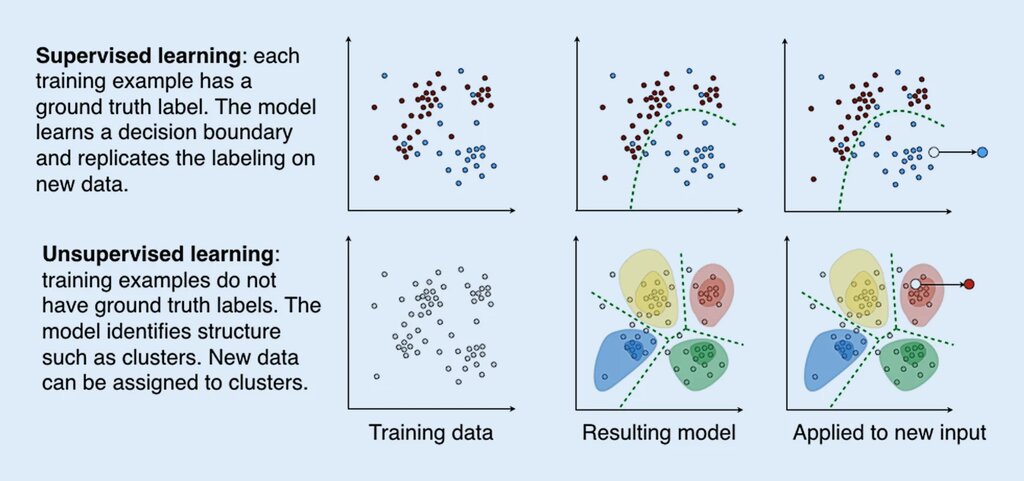
Machine learning isn't a single technique; it's a broad field with different approaches. For robotics, the two most common learning styles are supervised and unsupervised learning. They're like two different ways of teaching a student a new skill.
Supervised learning is like studying with a teacher who provides examples and answers.
With supervised learning, we give the model a dataset where all the information is already labeled. Imagine you're training a robot to sort fruit. You would feed it thousands of images, each one tagged: 'this is an apple,' 'this is a banana,' 'this is an orange.' The model studies these examples and learns the visual patterns associated with each fruit. After enough training, it can look at a new, unlabeled picture of a banana and correctly identify it.
Unsupervised learning is like discovering patterns on your own, without any labels.
In unsupervised learning, the model gets a dataset with no labels. It's up to the model to find the structure hidden within the data. For instance, a warehouse robot could analyze data about all the items it moves. Without being told what the categories are, it might start clustering items that are frequently ordered together or are similar in size and weight. This helps it organize the warehouse more efficiently on its own.
Models in the Real World
These learning models are what power the robots we see in the world today. Each application is suited to a particular type of learning.
Self-driving cars heavily rely on supervised learning. They are trained on millions of miles of driving data where every object is labeled: cars, pedestrians, traffic lights, lane lines. This allows the car's model to recognize road conditions and make safe driving decisions.
Manufacturing robots often use models to detect defects in products coming down an assembly line. By showing a model thousands of examples of 'perfect' products and various types of 'defective' products, it learns to spot tiny flaws that a human eye might miss.
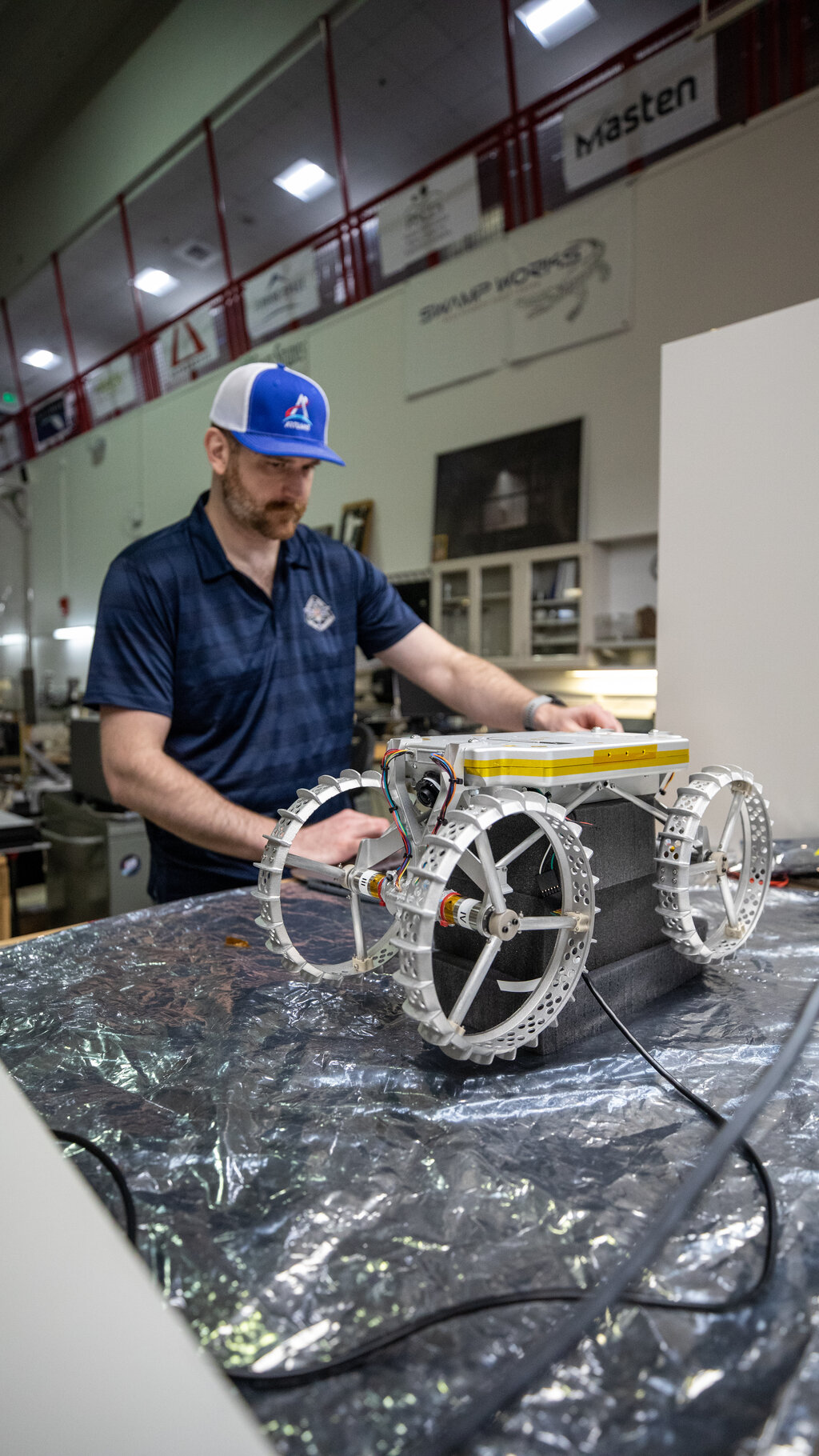
Exploration robots, like planetary rovers, can use unsupervised learning to classify different types of terrain or rock formations they've never encountered before. By clustering sensor data based on texture, color, and composition, the rover can identify scientifically interesting areas for further analysis without explicit instructions from Earth.
Whether it's learning with a guide or discovering patterns on its own, a robotics model is what transforms a machine into a problem-solver.