Robotics Fundamentals for Programmers
Introduction to Robotics
What Makes a Robot a Robot?
When you hear the word "robot," you might picture a walking, talking metal person from a movie. But the reality is both broader and more interesting. A robot is a machine designed to sense its environment, process that information, and then act upon that environment.
Think of it as a three-step loop: sense, think, act. Unlike a simple toaster, which just follows one command (heat up), a robot can react to changes. It's this ability to perceive and respond that separates a true robot from other machines.
The Core Components
Every robot, from a simple toy car that avoids walls to a complex surgical arm, is built from the same fundamental parts. These four components work together to bring the machine to life.
- Sensors: These are the robot's senses. They gather data about the world. A camera is a vision sensor, a microphone is a hearing sensor, and a bump sensor lets a robot feel when it hits something.
- Control System: This is the robot's brain. It's usually a computer that runs software. It takes the information from the sensors, makes decisions based on its programming, and sends commands to the other parts.
- Actuators: These are the robot's muscles. They are the parts that create movement, like motors that spin wheels, pistons that push and pull, or grippers that open and close. Actuators execute the commands from the control system.
- Power Supply: This is the robot's energy source. Without it, nothing works. It can be a battery for mobile robots or a cord plugged into an outlet for stationary ones.
A World of Robots
Robots come in all shapes and sizes, designed for countless tasks. They can generally be grouped by their primary function.
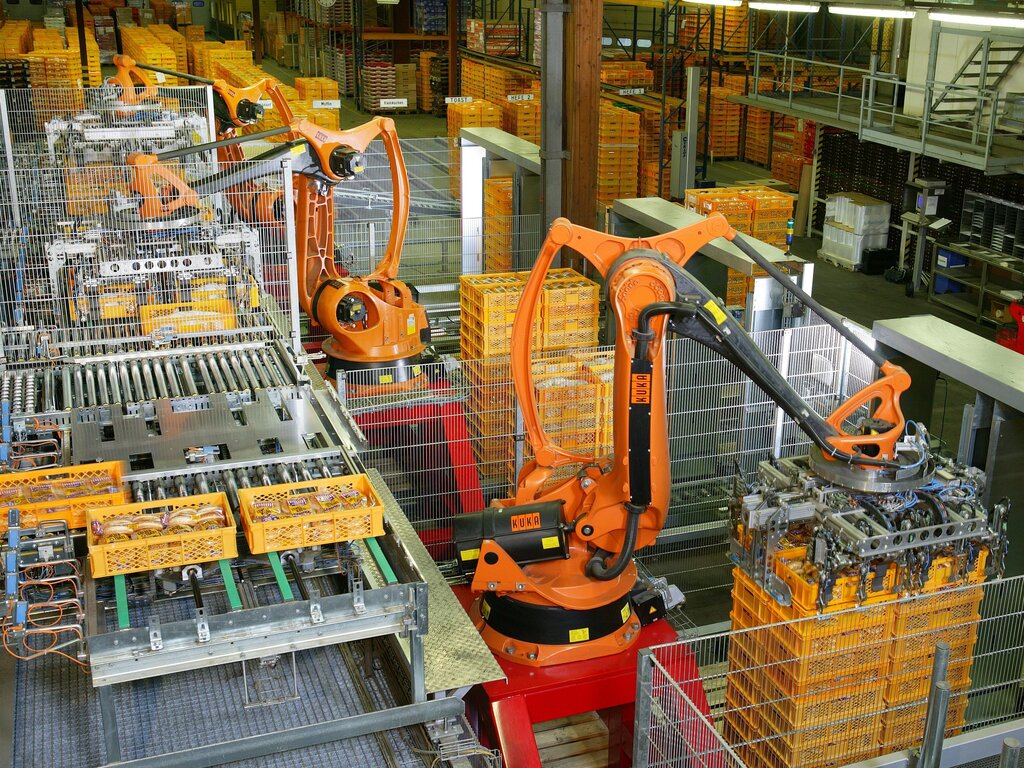
Industrial robots are the workhorses of modern manufacturing. You'll find them on assembly lines, where they perform tasks like welding, painting, and packaging. They are designed to be extremely precise and reliable, doing the same job over and over without getting tired.
Service robots, on the other hand, are built to help people directly. This is a huge category that includes everything from robotic vacuum cleaners in our homes to advanced surgical assistants in hospitals and delivery drones that bring packages to our doorsteps.
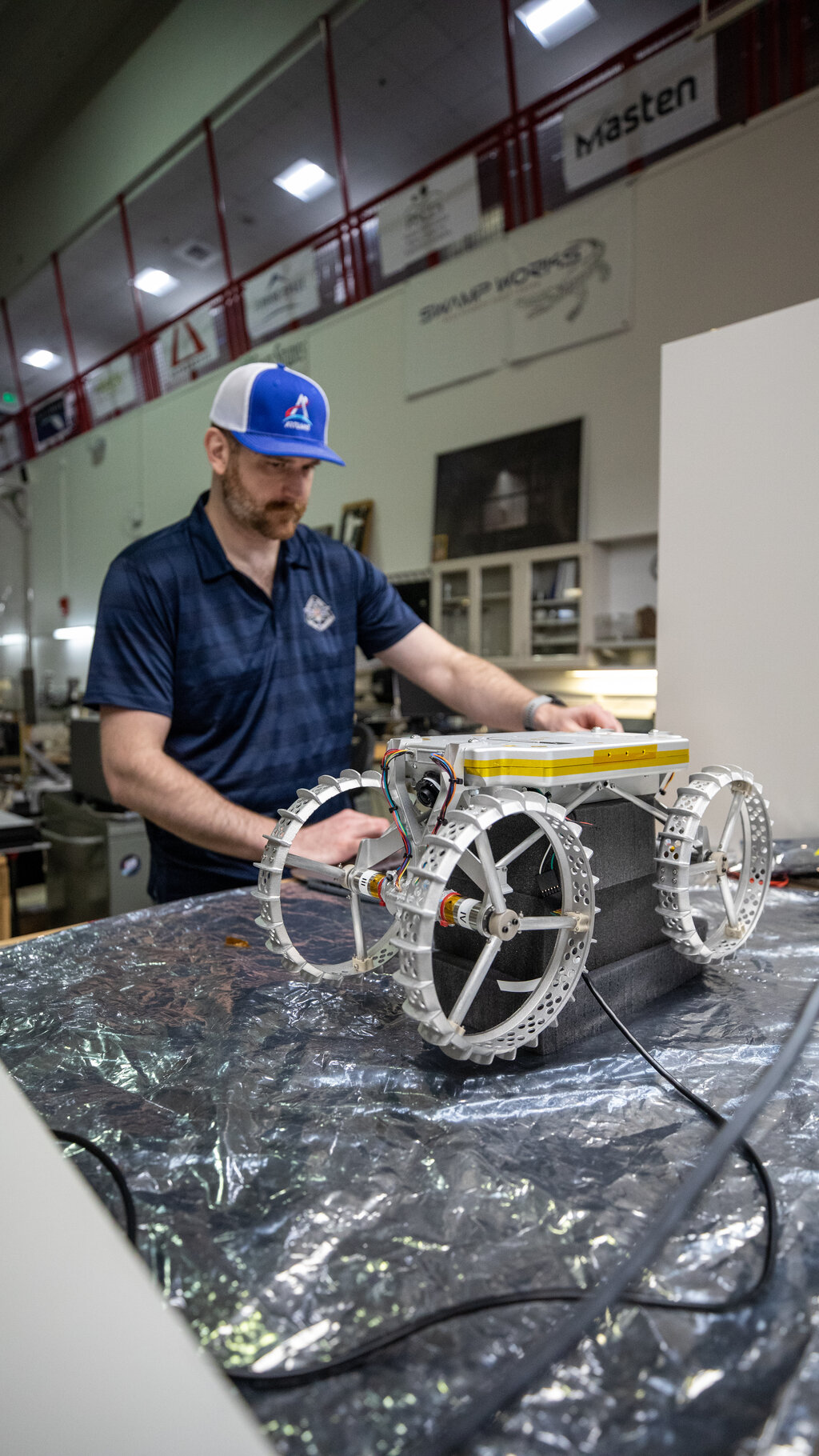
Finally, exploration robots go where humans can't, or where it's too dangerous to send them. These are our pioneers, exploring the surface of Mars, the depths of the ocean, or the inside of a collapsed building.
| Robot Type | Primary Function | Example |
|---|---|---|
| Industrial | Manufacturing & Automation | Car assembly arm |
| Service | Assisting humans | Robotic vacuum |
| Exploration | Data gathering in remote areas | Mars rover |
Understanding these basic types and their core components is the first step into the fascinating field of robotics. It's a world where engineering, computer science, and creativity come together to build machines that can interact with the physical world in powerful ways.