Robotics Fundamentals
Introduction to Robotics
What Is Robotics?
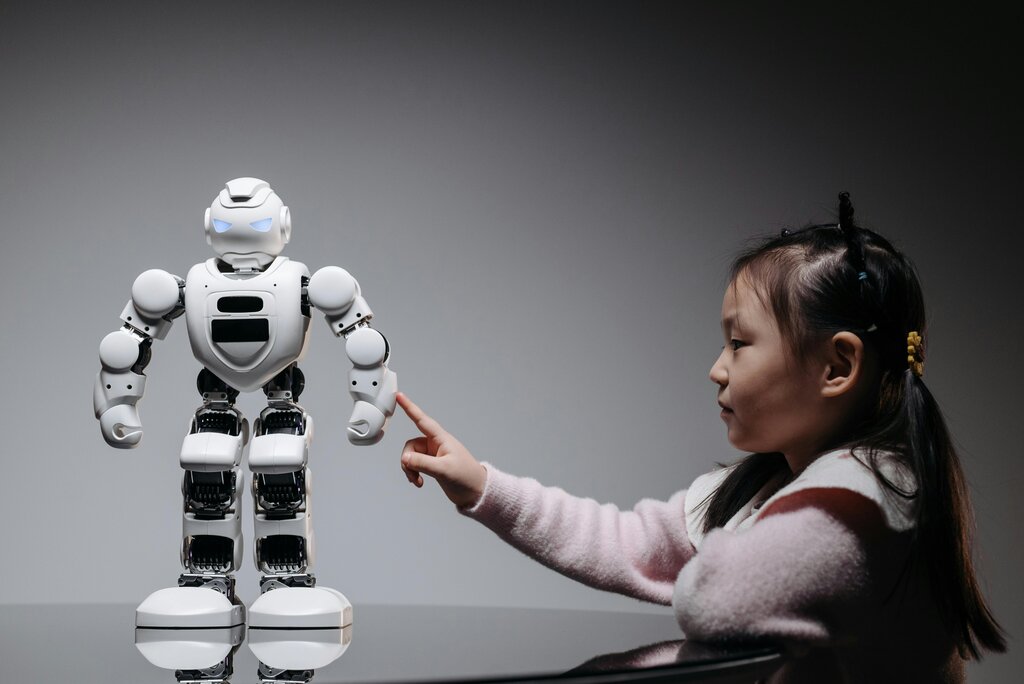
Robotics is the field of engineering and science dedicated to designing, building, and operating robots. At its heart, it's about creating machines that can perform tasks automatically. These tasks can be simple and repetitive, like screwing on a bottle cap, or incredibly complex, like performing surgery or exploring another planet.
Robotics is the field of engineering that focuses on the design, construction, operation, and application of robots. It involves creating machines that can automate tasks, often with little or no human intervention, and are used in various personal, industrial, business, and day-to-day tasks.
The term itself comes from the word "robot," which was first used in a 1920 play by Czech writer Karel Čapek. It's derived from the Slavic word robota, meaning forced labor. While the play depicted artificial workers rising up against their human masters, modern robotics is focused on creating machines that help people.
robot
noun
A machine capable of carrying out a complex series of actions automatically, especially one programmable by a computer.
Robotics isn't just one discipline. It's a blend of many fields, including mechanical engineering, electrical engineering, and computer science. To build a robot, you need to design its physical body, create the electronic circuits that control it, and write the software that tells it what to do.
A Brief History
The idea of automated machines has been around for centuries, from ancient water clocks to Leonardo da Vinci's designs for a mechanical knight. However, modern robotics as we know it began to take shape in the 20th century with the advent of computers and electronics.
A key moment was the introduction of Unimate in 1961. It was the world's first industrial robot, a powerful mechanical arm that worked on a General Motors assembly line. Unimate could move hot pieces of metal, a dangerous and difficult job for humans. This marked the beginning of automation in manufacturing.
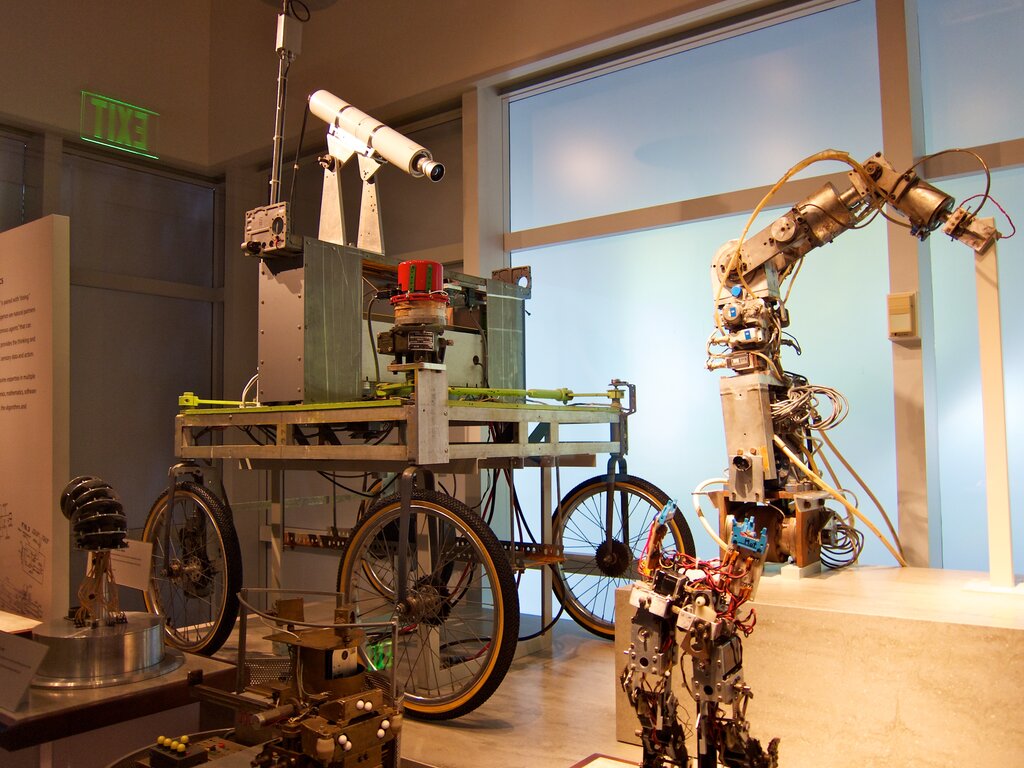
Over the following decades, robots became more sophisticated. Researchers developed robots with sensors that could "see" and "feel" their surroundings. Robots left the factory floor to explore other worlds, like the Sojourner rover that landed on Mars in 1997. Today, advancements in artificial intelligence are making robots smarter and more capable than ever.
Why Robotics Matters
Robots have a profound impact on our world. They have transformed industries, making manufacturing faster, safer, and more efficient. In factories, robots handle everything from welding and painting to packaging and assembly with a level of precision that humans can't match.
But their influence extends far beyond manufacturing. In medicine, robotic systems assist surgeons, allowing for less invasive procedures and quicker recovery times. In logistics, robots automate warehouses, sorting and moving goods to ensure your online orders arrive quickly.
They are also essential tools for exploration, going where humans can't. Robots explore the deep sea, investigate disaster sites, and travel across the surfaces of other planets, sending back invaluable data.
The core purpose of robotics is to extend human capabilities, taking on tasks that are too dangerous, difficult, repetitive, or precise for people to perform.
As you begin your journey into this field, it's helpful to know some of the basic terms that are used to describe the components and functions of a robot.
| Term | Definition |
|---|---|
| Actuator | A component that makes a robot move, like a motor. It converts energy into physical motion. |
| Sensor | A device that detects and responds to input from the physical environment, like a camera or a microphone. |
| End Effector | The "hand" of the robot, a tool attached to the end of a robotic arm designed for a specific task. |
| Controller | The "brain" of the robot. It's the computer system that processes information and tells the robot what to do. |
Now that you have an overview of what robotics is and why it's important, let's test your knowledge.
The word "robot" is derived from the Slavic word robota. What is the meaning of robota?
Robotics is an interdisciplinary field. Which combination of disciplines forms its core foundation?
Understanding these foundational ideas is the first step. From here, we can explore the different types of robots and the incredible things they can do.