Robotics Design and Programming
Introduction to Robotics
What Is a Robot?
At its core, a robot is a machine designed to perform tasks automatically. While we often picture humanoid machines from movies, most robots don't look like people at all. They are tools, built for a specific purpose, ranging from incredibly complex to surprisingly simple.
The idea isn't new. The word "robot" comes from the Czech word robota, meaning "forced labor," and was first used in a 1920 play. But the concept of automated machines has been around for centuries. Today, robotics is a field that blends engineering and computer science to create these useful machines.
Robotics is a branch of technology that deals with the design, construction, operation and use of robots.
Robots are defined by their ability to sense their environment, process that information, and act upon it. This simple sense-think-act cycle is the foundation of all robotics.
Types of Robots
Robots come in all shapes and sizes, each designed for a specific job. We can group them into a few broad categories.
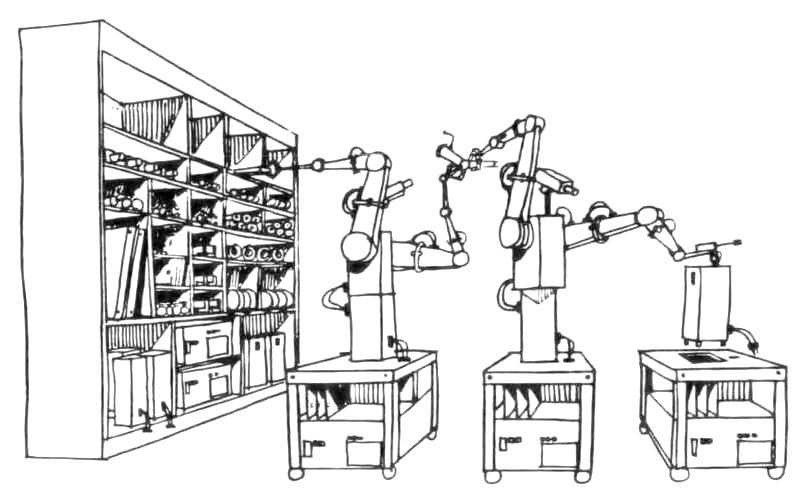
Industrial Robots are the workhorses of modern manufacturing. These are typically robotic arms fixed in one place, programmed to perform repetitive tasks with high precision, like welding, painting, or assembling products.
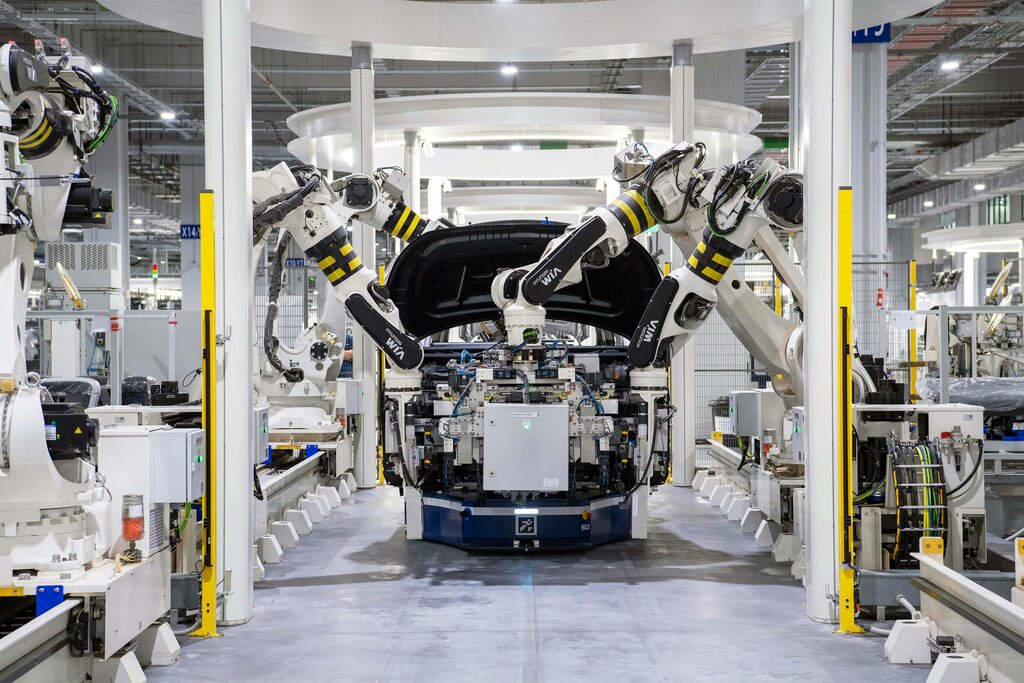
Mobile Robots can move around their environment. This category includes everything from autonomous drones and self-driving cars to the rovers exploring Mars. They use sensors and software to navigate and avoid obstacles.
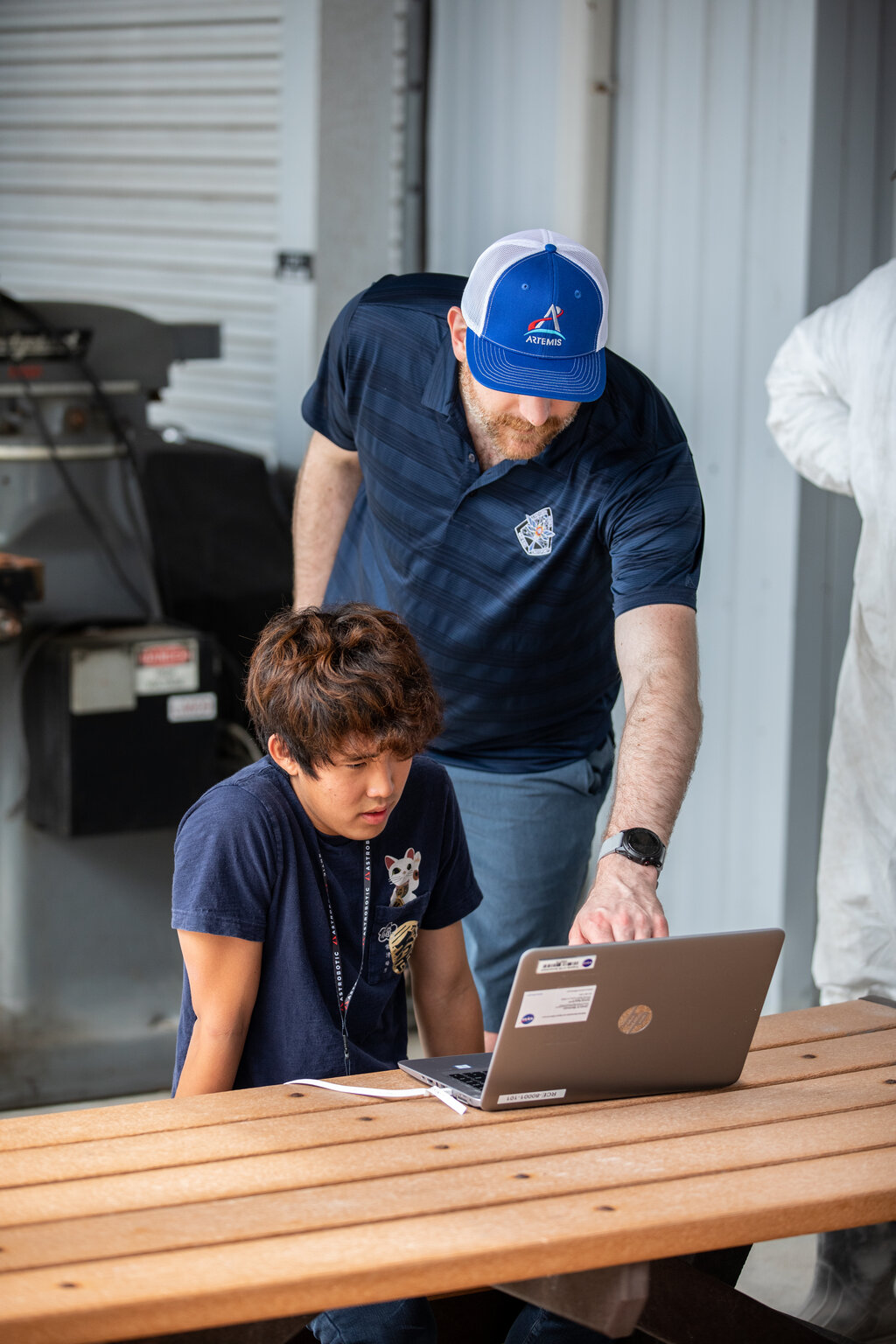
Service Robots are designed to help humans, either directly or by performing useful tasks. This is a huge category that includes medical robots that assist in surgery, robotic vacuum cleaners for your home, and automated systems in warehouses.
| Robot Type | Key Feature | Common Examples |
|---|---|---|
| Industrial | Fixed in place, performs repetitive tasks | Assembly line arms, welding robots |
| Mobile | Moves through its environment | Drones, rovers, autonomous vehicles |
| Service | Assists humans with tasks | Surgical robots, robotic vacuums, delivery bots |
Anatomy of a Robot
While robots vary greatly, they share some common components that allow them to function. Understanding these parts helps demystify how they work.
Sensor
noun
A device that detects and responds to some type of input from the physical environment. Sensors are a robot's eyes, ears, and sense of touch.
Sensors gather data about the world, like light, temperature, distance, or sound. This information is then sent to the robot's controller.
Controller
noun
The computer system that processes information from sensors and controls the robot's actions. It is the robot's brain.
The controller runs the robot's software, making decisions based on its programming and the data it receives from the sensors.
Actuator
noun
A component responsible for moving or controlling a mechanism or system. Actuators are the muscles of a robot, converting energy into motion.
Once the controller makes a decision, it sends a command to the actuators. These could be motors, pistons, or any other part that creates physical movement.
End Effector
noun
The device at the end of a robotic arm, designed to interact with the environment. It's the robot's hand or tool.
This is the part of the robot that does the work. It can be a simple gripper, a drill, a welding torch, or even a delicate surgical instrument.
Ready to check your understanding? Let's try a few questions.
What is the fundamental process all robots use to interact with their environment?
The word "robot" comes from the Czech word robota. What does robota mean?
From factories to our homes, robots are already an integral part of the modern world. Understanding these basics is the first step into a field that continues to shape our future.