Robotic Process Automation Project Mastery
Introduction to RPA
What is Robotic Process Automation?
Robotic Process Automation, or RPA, uses software “robots” to handle repetitive, rule-based tasks on a computer. Think of it as a digital assistant that can mimic human actions. These bots can log into applications, copy and paste data, move files, fill out forms, and extract information from documents.
Robotic process automation (RPA) uses software robots to automate repetitive, rule-based digital tasks.
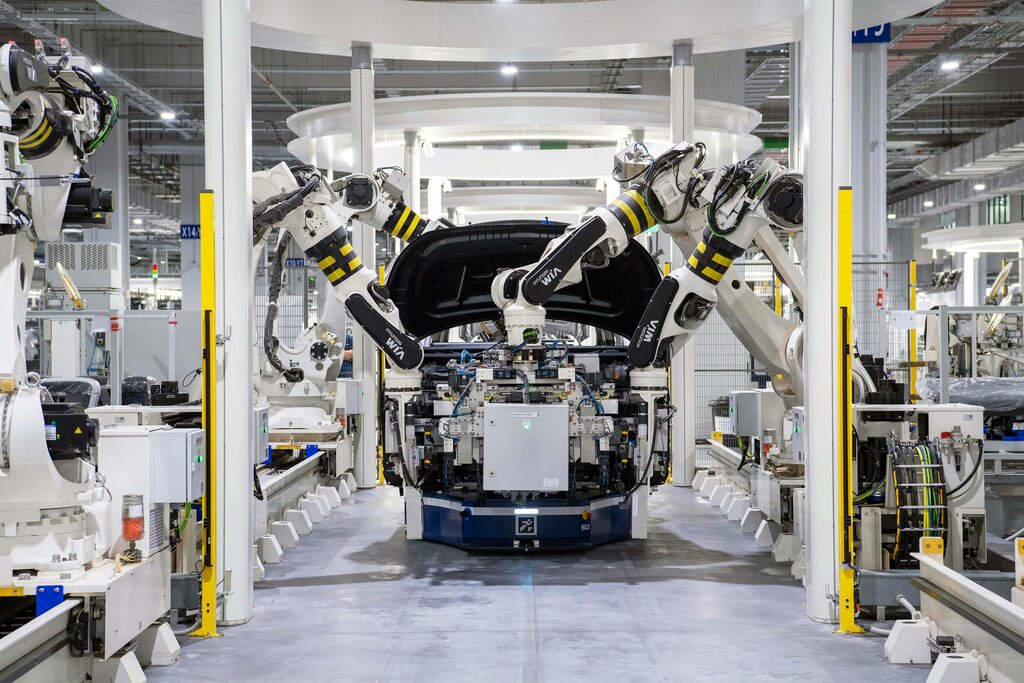
Unlike physical robots in a factory, RPA bots are software programs that operate on your computer’s user interface, just like you do. They follow a set of instructions to complete a process from start to finish. This technology isn't brand new, but it gained significant traction over the last decade as businesses looked for ways to become more efficient and reduce costs.
The Benefits of Bots
The main advantage of RPA is its ability to streamline operations. By handing over tedious, high-volume tasks to bots, companies can see significant improvements in several areas.
RPA automates repetitive, rule-based tasks, allowing employees to focus on higher-value activities.
- Efficiency: Software robots can work 24/7 without breaks or getting tired. They complete tasks much faster than a person could, which means more work gets done in less time.
- Accuracy: Humans make mistakes, especially when doing the same boring task over and over. RPA bots follow their programming precisely every time, which drastically reduces errors and improves data quality.
- Cost Reduction: Increased speed and accuracy naturally lead to lower costs. With fewer errors to fix and faster processing times, businesses can operate more leanly. It also frees up employees to work on more complex, strategic initiatives that add more value.
How RPA Differs from AI
It's common to confuse RPA with traditional automation or Artificial Intelligence (AI), but they are distinct technologies with different purposes. Traditional automation usually involves programmers writing scripts that integrate directly with a system's backend code or APIs. It's powerful but often complex and rigid.
RPA, on the other hand, works on the presentation layer—the user interface. It interacts with applications the same way a person does, by clicking buttons and typing into fields. This makes it easier to automate processes without changing the underlying IT infrastructure.
AI is a different beast altogether. While RPA follows explicit rules, AI is designed to simulate human intelligence. It can learn, make decisions, and handle unstructured data. Think of it this way: RPA is the hands, following a recipe step-by-step. AI is the brain, creating the recipe.
| Feature | Traditional Automation | RPA | AI |
|---|---|---|---|
| How it Works | Backend integration (APIs, scripts) | Mimics human actions on the UI | Simulates human intelligence |
| Intelligence | Follows code; no learning | Rule-based; follows a script | Learns and makes decisions |
| Data Type | Structured | Structured | Structured & Unstructured |
| Flexibility | Rigid; requires code changes | More flexible; works with existing apps | Highly adaptable and dynamic |
RPA in Action
RPA is versatile and can be applied across many industries. Its core strength is automating processes that are high-volume, repetitive, and based on clear rules.

Here are a few common examples:
-
Finance and Banking: Processing invoices, automating account reconciliations, and generating financial reports. Bots can extract data from invoices, match them to purchase orders, and enter the information into an accounting system.
-
Healthcare: Managing patient appointments, processing claims, and handling billing. A bot can automate the process of checking insurance eligibility, saving administrative staff countless hours.
-
Customer Service: Automating data entry for new customer accounts, updating customer records in a CRM, and generating responses to common queries.
-
Human Resources: Onboarding new employees by setting up accounts, sending standard documents, and updating payroll information. It can also be used to screen resumes for specific keywords.
In each case, RPA takes on the predictable, time-consuming parts of the job, freeing up people to focus on problem-solving and customer interaction.
What is the primary function of Robotic Process Automation (RPA)?
Which of the following is a key benefit of implementing RPA?
By automating the mundane, RPA helps businesses become faster, smarter, and more focused on what really matters.