Robin Hood Reading Comprehension Toolkit
Understanding Reading Comprehension
More Than Just Words
Reading comprehension is the ability to understand what you read. It's not just about recognizing words on a page; it's about processing them to grasp the meaning behind the text. Think of it like listening to a song. You can hear the individual notes, but true enjoyment comes from understanding the melody, the harmony, and the lyrics all together. Reading works the same way.
Reading comprehension is a critical skill that lays the foundation for a child's academic success.
When a child understands what they are reading, they can connect it to what they already know, think critically about the content, and form new ideas. This skill doesn't develop overnight. It's built on a few core components that work together to turn strings of letters into meaningful concepts.
The Building Blocks
To achieve comprehension, a reader needs to master three key skills: decoding, fluency, and vocabulary. They are like the legs of a stool—if one is weak, the whole structure becomes wobbly.
Decoding
noun
The process of translating written words into speech. It involves applying knowledge of letter-sound relationships to correctly pronounce words.
Decoding is the very first step. It's the foundational ability to look at letters and know what sounds they make. Without this, a child is just looking at symbols. Once a reader can decode words accurately, they can start building fluency.
Fluency
noun
The ability to read with speed, accuracy, and proper expression. Fluent readers can read smoothly without having to stop and decode every word.
When a child reads fluently, their brain doesn't have to work so hard on the mechanics of reading. This frees up mental energy to focus on what the words actually mean. The final piece of the puzzle is knowing the meaning of those words.
Vocabulary
noun
The body of words a person knows and uses. A strong vocabulary is essential for understanding the nuances and specific meanings within a text.
A reader can decode a word perfectly and read a sentence with beautiful fluency, but if they don't know what the words mean, comprehension is impossible. The more words a child knows, the richer their understanding of a text will be.
Decoding lets you read the words. Fluency lets you read them smoothly. Vocabulary lets you know what they mean. All three are needed for true comprehension.
Why Comprehension Matters
Reading comprehension is the entire point of reading. It unlocks all other learning. From math word problems to science textbooks and history lessons, a child's ability to succeed in school is directly tied to their ability to understand what they read.
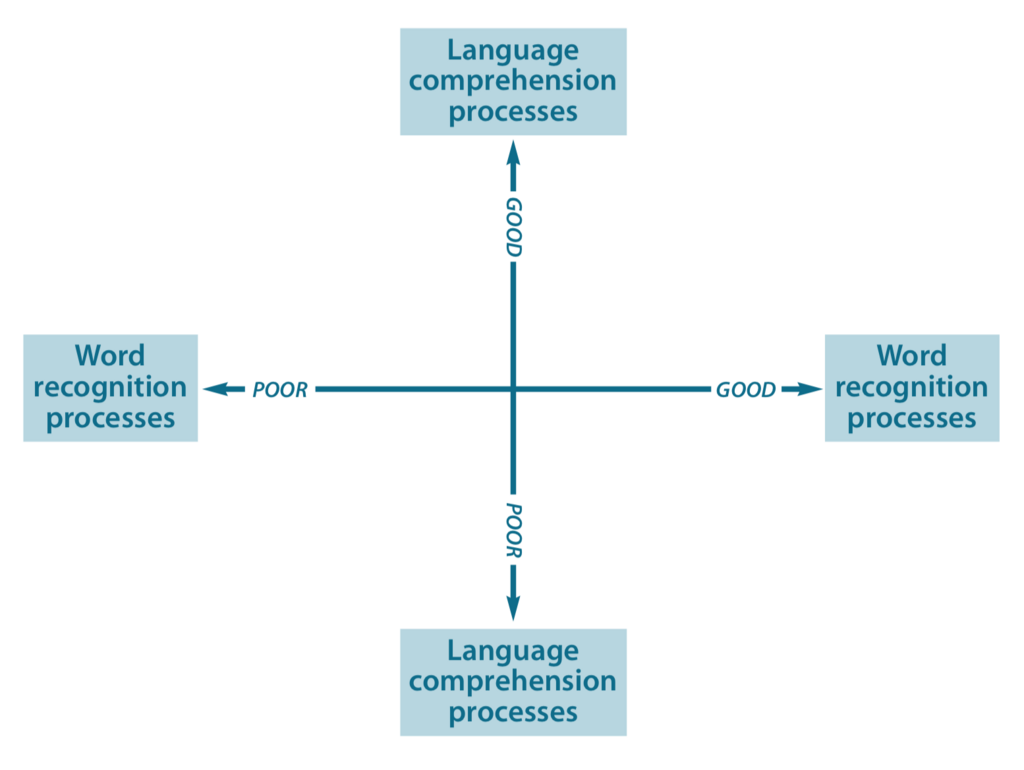
Beyond the classroom, comprehension is a life skill. It allows us to understand news articles, follow instructions, and engage with the world in a meaningful way. By focusing on the foundational skills of decoding, fluency, and vocabulary, we help children build the bridge from simply reading words to truly understanding them.