Road Safety Essentials
Introduction to Road Safety
It’s a Team Sport
Think of road safety as a team sport. For the game to work, everyone needs to know the rules and play their position. It’s not just about avoiding a penalty or a ticket. It’s about working together so everyone gets where they’re going safely.
When we drive, walk, or cycle, we enter a shared space. Every decision we make, from checking a blind spot to waiting for a walk signal, affects others. The goal isn't to get there fastest, but to ensure we all get there in one piece.
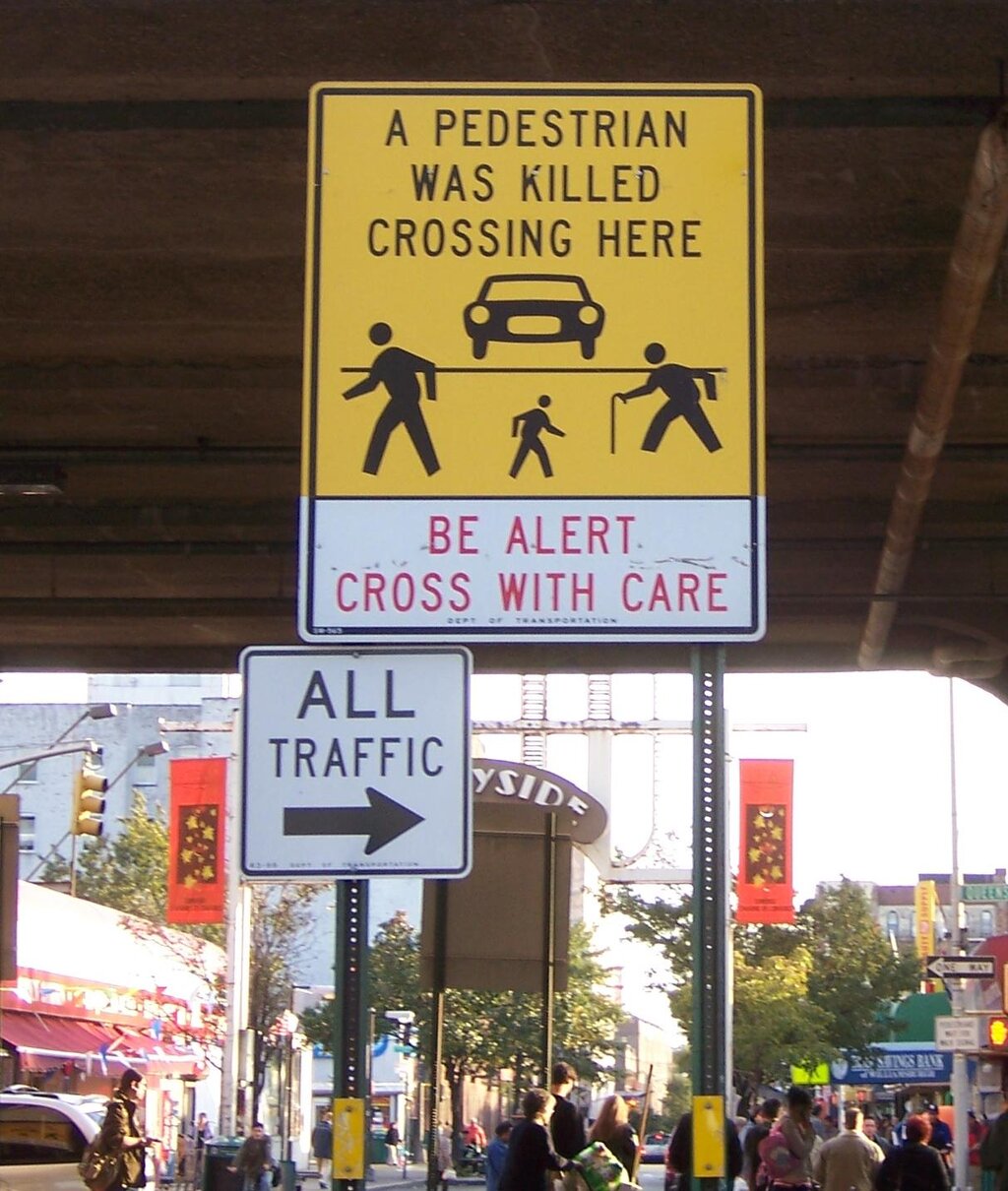
This collective responsibility is the core of road safety. It’s an agreement we make with strangers to look out for each other. A moment of distraction or a single bad decision can have devastating consequences for you and for people you’ve never met.
The Rules of the Road
Traffic laws are the playbook for this team sport. They're a universal language that helps us predict what other people will do. Imagine trying to navigate a busy intersection if red lights meant "stop" for some people and "go" for others. It would be chaos.
These rules create order. Stop signs, speed limits, and lane markings aren't there to slow you down. They are there to create a predictable environment where everyone knows what to expect.
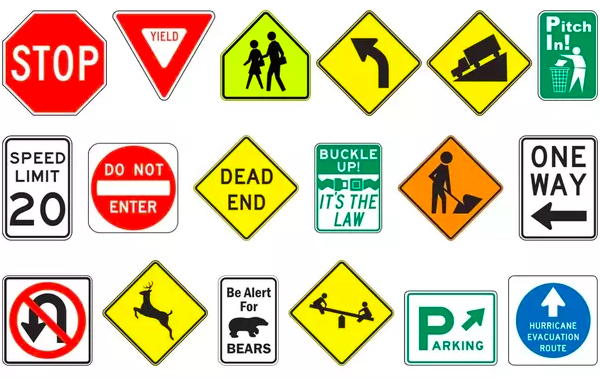
Understanding this language is essential. Signs, signals, and lines painted on the asphalt communicate vital information. A triangular sign warns of a potential hazard ahead. A solid white line tells you not to change lanes. A green light gives you permission to proceed, but it doesn't guarantee the coast is clear. The rules provide the structure, but you still have to pay attention.
Traffic laws turn the potential chaos of moving vehicles and people into an organized, predictable system.
Everyone Plays a Part
Safety isn't just one person's job. Every user of the road has a specific role to play.
Drivers have the greatest responsibility because they operate large, fast, and heavy machines. The most important skill for a driver is awareness. This means being aware of your surroundings, constantly scanning for pedestrians, cyclists, and other cars. It also means being aware of your own condition. Driving while tired, angry, or distracted is a recipe for disaster.
Pedestrians are the most vulnerable road users. Their best tools for staying safe are visibility and predictability. This means crossing at designated crosswalks, wearing brighter clothing at night, and making eye contact with drivers before stepping into the road. And just like drivers, pedestrians need to avoid distractions, like looking at their phone instead of the traffic around them.
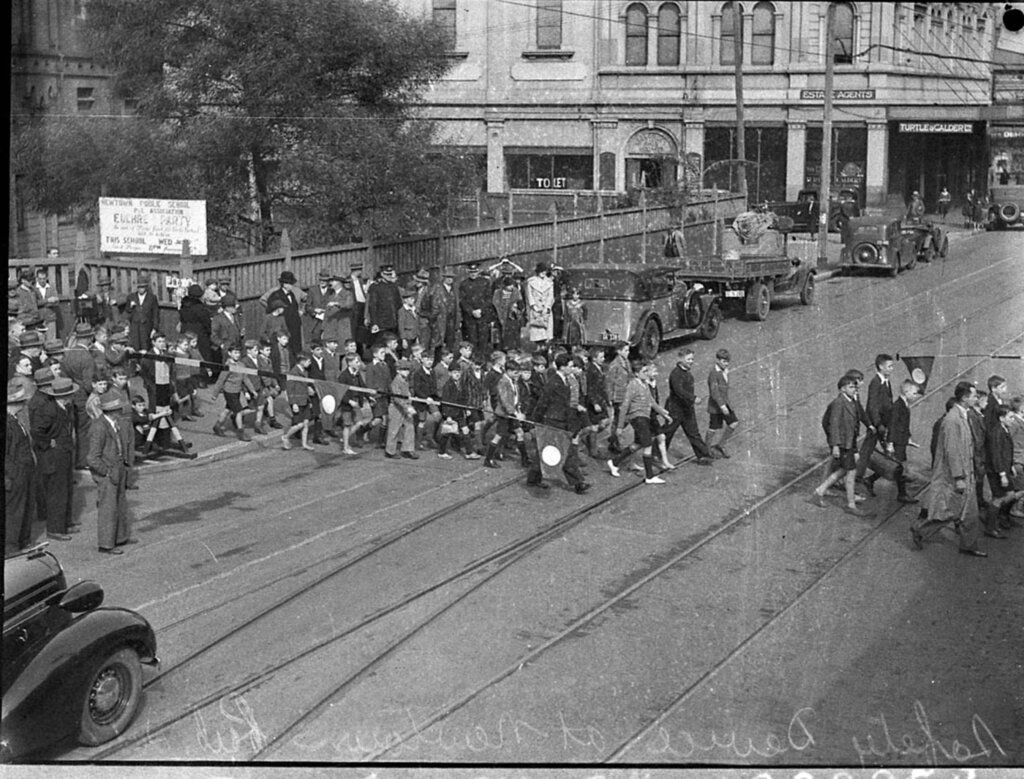
Cyclists have the same rights and responsibilities as drivers of motor vehicles. This means obeying all traffic signals and signs. For their own safety, cyclists should ride predictably, use hand signals to indicate turns, and use lights at night to ensure they are seen by others.
When everyone understands and respects each other's role, the entire system becomes safer for all.
Time to check what you've learned about the fundamentals of road safety.
What is the primary goal of treating road safety like a "team sport"?
According to the principles of shared responsibility, which road user has the greatest responsibility for safety and why?