Road Proposal Development
Project Scope Definition
Drawing the Map
Before breaking ground on any project, you need a map. This map doesn't just show where you're going; it shows exactly where you are not going. This is the project scope. It sets the boundaries, defining what the project will achieve and what it will leave out. For our example, a new 5-kilometer road, the scope is the foundation for everything that follows.
The first step is to define the project's objectives. Why are we building this road? An objective isn't just "to build a road." It's the specific need the road will address. Is it to reduce traffic on an existing, congested street? Or is it to connect a growing residential area to a commercial hub? A clear objective might be: "To reduce commute times between Sunnyvale and Rivertown by 15% during peak hours."
Clear, measurable objectives are critical. They act as a compass, ensuring every decision made during the project moves you toward the intended goal.
A project scope refers to the boundaries and extent of a project, outlining the specific objectives, deliverables, constraints, and assumptions that define its parameters.
Listing the Deliverables
Once you know why you're building the road, you need to define what you're building. These are the deliverables, the tangible outcomes of the project. The most obvious deliverable is the 5-kilometer stretch of asphalt. But what else?
A project's success is judged by whether it produces all its promised deliverables. Leaving them ambiguous is a recipe for conflict later. Does the road include a bike lane? Sidewalks? What about streetlights or traffic signals at intersections? Each of these is a distinct deliverable that must be listed in the scope.
| Deliverable | Description |
|---|---|
| 5km Paved Road | A two-lane road connecting Point A to Point B. |
| Drainage System | Culverts and ditches to manage water runoff. |
| Road Signage | Speed limit signs, street names, and warning signs. |
| Pavement Markings | Lane dividers, shoulder lines, and crosswalks. |
Just as important as listing what's included is listing what's not. These are the project's boundaries. For our road project, perhaps the scope includes basic grass seeding along the shoulders but excludes extensive landscaping with trees and flowerbeds. It might connect to an old bridge, but the renovation of that bridge is defined as a separate project. Stating these exclusions clearly prevents scope creep, where new requirements are added midway through a project, causing delays and budget issues.
Defining what's out of scope is just as crucial as defining what's in. It protects the project from endless additions and keeps the team focused.
Identifying Stakeholders
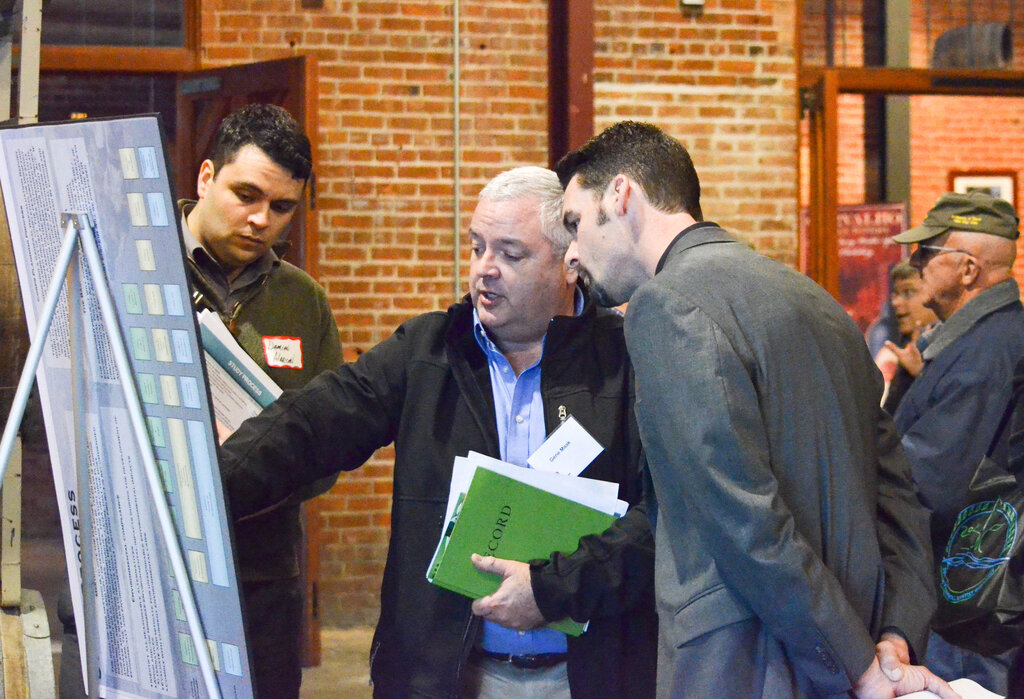
No project exists in a vacuum. Many people and groups have a vested interest in the outcome. These are the stakeholders. Identifying them early is key to understanding the project's requirements and potential challenges.
For the road project, stakeholders are a diverse group. They include:
- Local Residents: Their daily lives will be affected by construction noise and the final road's location.
- Commuters: They will directly benefit from the new route.
- Business Owners: The road could bring more customers or create logistical challenges.
- Government Agencies: Departments of transportation, environmental protection agencies, and local city councils all have oversight and regulations that must be followed.
- Utility Companies: Their water pipes, gas lines, or electrical cables might be located under the proposed route.
- Construction Team: The engineers, planners, and workers who will build the road.
Understanding each stakeholder's needs and concerns helps refine the project's objectives and deliverables. It also allows the project team to anticipate potential roadblocks, like a community group opposing the route or an environmental regulation requiring a special design.
Is It Possible?
Finally, the scope definition phase includes an initial feasibility assessment. This isn't a deep dive into engineering plans or a final budget. Instead, it's a high-level check to see if the project is realistic. Are there any obvious deal-breakers?
This assessment asks basic questions. Does the proposed route cross a protected wetland that can't be disturbed? Does the land belong to hundreds of different private owners, which would make acquiring it impossibly complex? Is the required technology or expertise readily available? Answering these questions helps determine if the project is viable before significant resources are invested. If major obstacles are found, the scope may need to be adjusted or the project reconsidered entirely.
With a clearly defined scope in hand, the project is ready to move into more detailed planning stages. Let's test your understanding of these core concepts.
Which of the following is the best example of a well-defined project objective for a new road project?
What is the primary purpose of explicitly listing exclusions (what is not included) in a project scope document?
Defining the scope is a foundational act in project management. It transforms a vague idea into a concrete plan with clear goals, deliverables, and boundaries, setting the stage for success.