ROAC IT Systems Exam Prep
IT Strategy and Governance
Aligning IT with Business Goals
Information technology isn't just about computers and code; it's a core part of modern business. For IT to be effective, its strategy must be tightly woven with the company's overall business objectives. This is known as strategic alignment.
Think of a business as a ship sailing toward a specific destination—let's say, increasing market share. Every department, from sales to finance to operations, must work together to get there. The IT department is no different. If the business goal is to improve customer satisfaction, the IT strategy might focus on developing a user-friendly mobile app or a more responsive customer support system. If the goal is to reduce operational costs, IT might prioritize automating manual processes.
When IT and business strategies are misaligned, resources are wasted. An IT department might spend months building a technically brilliant system that nobody needs, while the sales team struggles with outdated software. Alignment ensures that every dollar and hour spent on technology pushes the entire organization in the right direction.
The Role of IT Governance
If strategic alignment is about deciding what to do, IT governance is about how to do it effectively and responsibly. Governance provides the structure for making decisions, ensuring accountability, and managing IT resources.
It's the framework of rules, roles, and processes that guides an organization's IT operations. Who has the authority to approve a new software purchase? How do we measure the performance of our IT systems? What steps are taken to protect sensitive customer data? Governance answers these kinds of questions.
Without strong governance, an IT department can become chaotic. Projects might run over budget, security risks could be overlooked, and technology investments might fail to deliver their promised value. Good governance ensures that IT is not only supporting business goals but is also managed efficiently, securely, and in compliance with regulations.
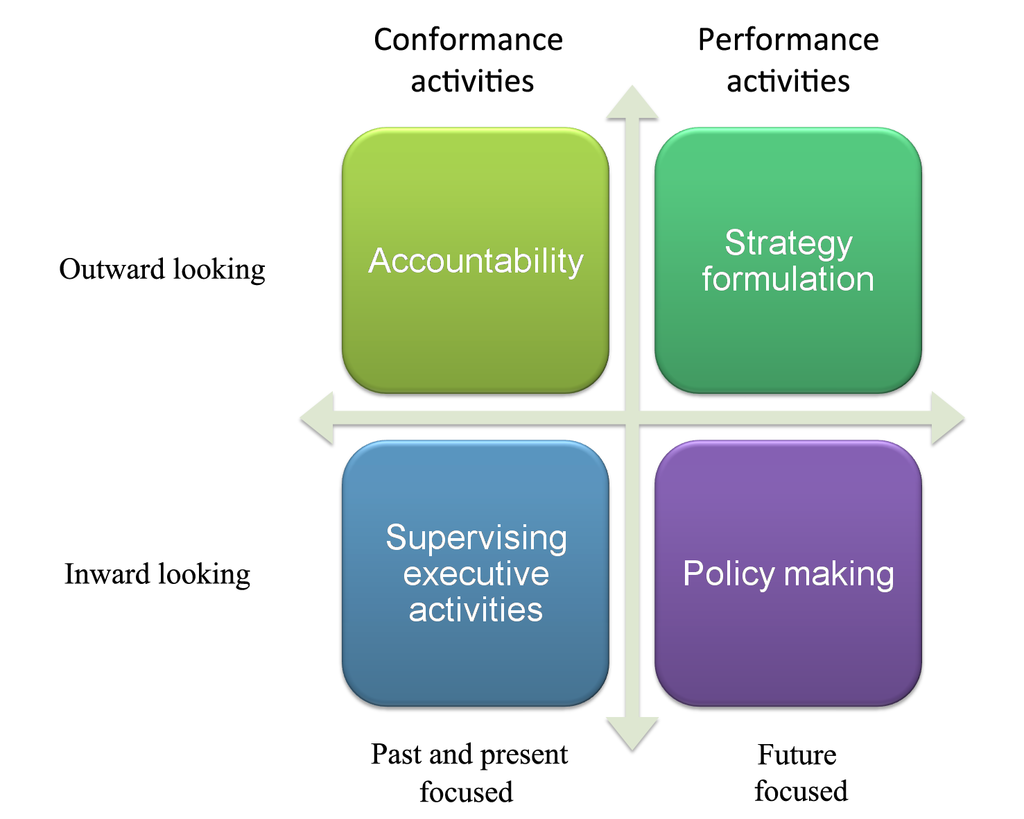
Governance establishes a structure for decision-making, accountability, and alignment with business strategies.
This structure helps balance performance with conformance, making sure IT delivers value while managing risks.
Key Governance Frameworks
Organizations don't have to invent governance from scratch. Several established frameworks provide comprehensive guidelines. Two of the most widely recognized are COBIT and ISO 31000.
COBIT (Control Objectives for Information and Related Technologies) is a framework created for the governance and management of enterprise IT. It provides a holistic approach, linking business goals to IT goals. COBIT helps organizations create optimal value from IT by maintaining a balance between realizing benefits and optimizing risk levels and resource use.
While COBIT covers the broad landscape of IT governance, other frameworks focus on specific areas. One of the most important is risk management.
ISO 31000 is an international standard that provides principles and guidelines for managing risk. It's not exclusive to IT—it can be applied to any activity within an organization—but it's a cornerstone of effective IT governance. The framework helps organizations develop, implement, and continuously improve a process for identifying, analyzing, and treating risks.
Using ISO 31000 helps ensure that an organization takes a structured and consistent approach to managing uncertainties that could impact its objectives. In IT, this could involve risks related to cybersecurity threats, system failures, or new technology adoption.
Time to check your understanding of these core concepts.
A retail company's primary business objective is to improve customer loyalty. Which of the following IT initiatives demonstrates the best strategic alignment with this goal?
What is the core function of IT governance?
By aligning IT strategy with business goals and implementing a solid governance framework, organizations can transform technology from a simple utility into a powerful strategic asset.