RN Case Management Certification Prep
Introduction to Case Management
What Is Case Management?
Case management is a collaborative process of assessment, planning, and advocacy for options and services to meet an individual's and family's comprehensive health needs. Think of it as a strategic partnership between a healthcare professional, the patient, and their support system.
The primary objectives are to ensure patients receive the care they need in a timely and cost-effective manner. This involves coordinating services, connecting patients with resources, and making sure the care plan is both effective and efficient. The goal is to improve health outcomes and enhance the patient's quality of life.
Essentially, case management strives to provide the right care, at the right time, in the right place, for the right price.
The RN Case Manager Role
The Registered Nurse (RN) case manager is at the heart of this process. With their clinical knowledge and expertise, RNs are perfectly positioned to oversee a patient's care journey. They don't just focus on a single medical issue; they look at the whole person, considering their physical, emotional, and social needs.
An RN case manager's responsibilities are broad and dynamic. They act as a central point of contact, coordinating communication between the patient, doctors, specialists, therapists, and insurance providers. They are also powerful patient advocates, ensuring the patient's voice is heard and their preferences are respected in all care decisions. A key part of their job is to educate patients and their families, empowering them to manage their own health effectively.
Why It Matters
Modern healthcare can be complex and fragmented. Patients often see multiple specialists and navigate different facilities, which can lead to confusion, duplicated tests, and gaps in care. Case management provides a solution by creating a seamless, integrated experience.
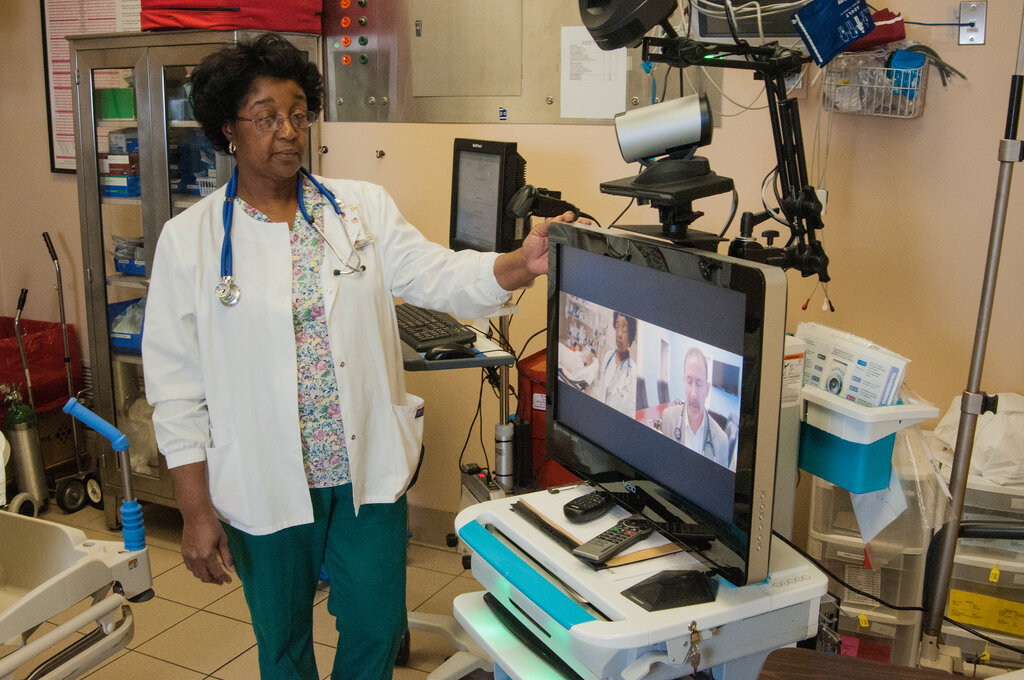
By ensuring care is well-coordinated, case managers help prevent costly hospital readmissions and unnecessary emergency room visits. They improve patient safety by overseeing medication plans and ensuring clear communication among providers. This not only leads to better health outcomes but also increases patient satisfaction, as individuals feel supported and guided through their healthcare journey.
Guiding Principles
Several key principles form the foundation of effective case management practice. These aren't just guidelines; they are the ethical and practical cornerstones of the profession.
| Principle | Description |
|---|---|
| Patient-Centeredness | The patient's needs, values, and preferences are the priority in all planning and decision-making. |
| Collaboration | Working as a team with the patient, family, and all healthcare providers to achieve shared goals. |
| Advocacy | Protecting the patient's rights and ensuring they have access to the resources they need. |
| Resource Management | Using healthcare resources wisely to provide high-quality, cost-effective care. |
By adhering to these principles, RN case managers build trust and ensure that the care provided is not only clinically sound but also compassionate and respectful of the individual.
Let's review what you've learned about the fundamentals of case management.
What is the primary goal of case management?
How does case management primarily address the issue of fragmentation in modern healthcare?
Understanding these core concepts is the first step in appreciating the vital role RNs play in navigating the complexities of modern healthcare.