Rivers of Madhya Pradesh for MP Police Exam
Introduction to Madhya Pradesh Rivers
The Rivers of Madhya Pradesh
Madhya Pradesh, the "Heart of India," is crisscrossed by numerous rivers that are central to its geography, culture, and economy. These waterways originate from the state's highlands and flow in all directions, shaping the landscape and sustaining life. Understanding the paths and importance of these rivers is key to knowing the state itself.
The Narmada
Often called the "Lifeline of Madhya Pradesh," the Narmada is the state's most significant river. It begins its journey at the Narmada Kund, a small tank in the Amarkantak Plateau in the Anuppur district. Unlike most major rivers in peninsular India that flow east, the Narmada flows westward.
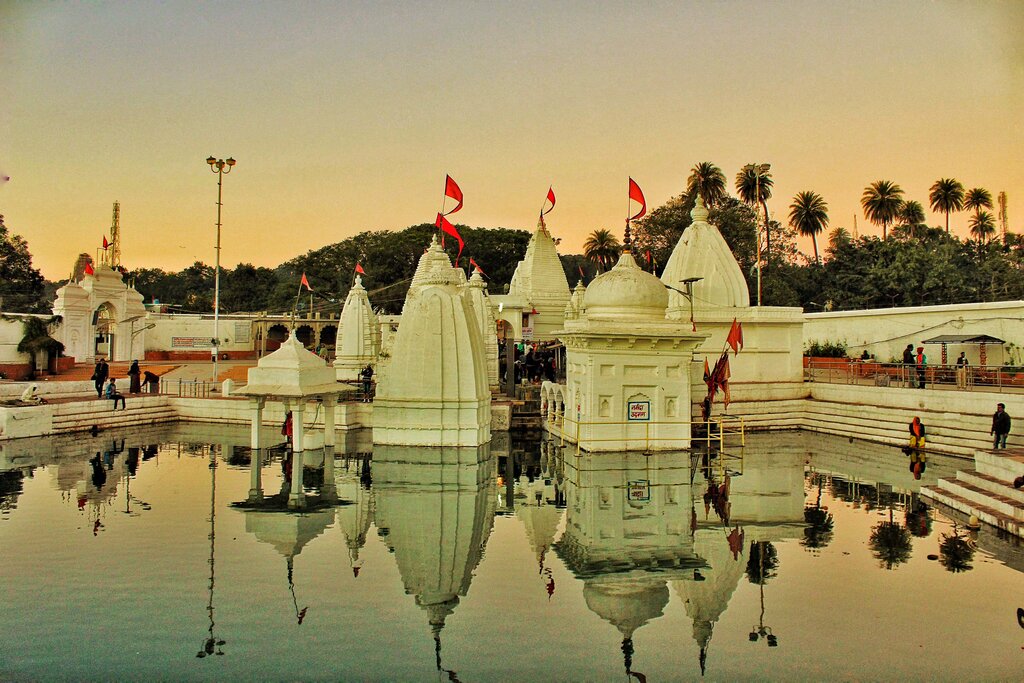
The river carves a long path across the state, passing through major districts like Mandla, Jabalpur, Narsinghpur, Hoshangabad, Khandwa, and Khargone. It creates spectacular sights along its course, including the famous Dhuandhar Falls in Bhedaghat near Jabalpur, where it plunges through marble rocks. For centuries, its banks have been centers of pilgrimage, with countless temples and sacred sites.
The Narmada is one of only a few rivers in India that flows through a rift valley, a long, narrow valley formed by the sinking of a block of land between two faults.
After traveling over 1,300 kilometers, the Narmada leaves Madhya Pradesh and flows through parts of Maharashtra and Gujarat before finally emptying into the Arabian Sea at the Gulf of Khambhat.
The Chambal
The Chambal River originates from Janapav hill in the Vindhya Range, located near the town of Mhow in the Indore district. From its source, it flows northwards into the Malwa Plateau.
Its course takes it through Madhya Pradesh before forming a natural boundary between MP and Rajasthan. It then turns southeast to join the Yamuna River. The Chambal is notorious for the extensive network of ravines, or beehad, it has carved out of the landscape, which historically provided shelter for dacoits.
Despite its rugged reputation, the Chambal is considered one of India's cleanest rivers and supports a rich diversity of aquatic life, including the critically endangered gharial.
The river passes through districts like Mandsaur and Sheopur in MP. After its long journey, it merges with the Yamuna River in the Etawah district of Uttar Pradesh.
Other Key Rivers
Besides the Narmada and Chambal, several other rivers play vital roles in the state.
Confluence
noun
The junction of two rivers, especially rivers of approximately equal width.
Betwa River The Betwa, known as Vetravati in ancient texts, originates in the Vindhya Range near Hoshangabad. It flows northeast through Madhya Pradesh, passing near cities like Sanchi and Vidisha, before entering Uttar Pradesh. The historic town of Orchha, with its magnificent cenotaphs, sits on its banks. The Betwa eventually meets the Yamuna River near Hamirpur.
Ken River Originating from the Kaimur Hills in the Satna district, the Ken River flows northwards. It cuts through the rock formations of the Panna region, creating scenic waterfalls. A significant portion of its course runs through Panna National Park, a critical tiger habitat. The Ken River also joins the Yamuna River in Uttar Pradesh, near the city of Banda.
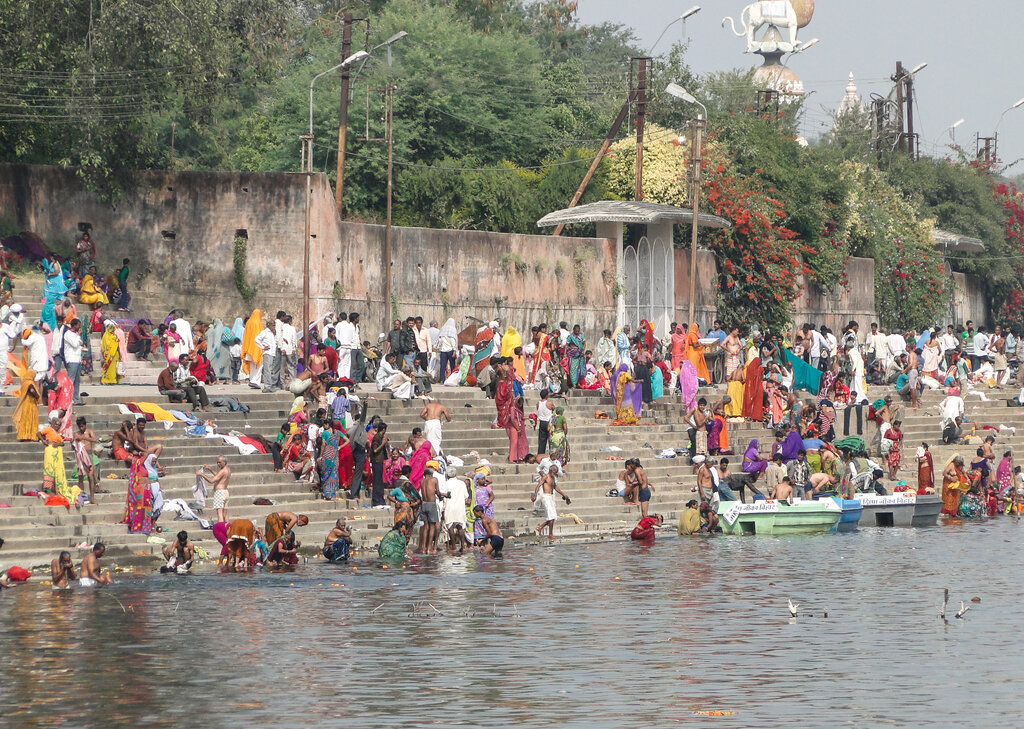
Shipra River The Shipra is a smaller but culturally immense river. It rises from the Kakri Bardi hills in the Dhar district and flows across the Malwa Plateau. Its greatest significance comes from the ancient and holy city of Ujjain, which is situated on its right bank. The famous Kumbh Mela, a major Hindu pilgrimage, is held on its banks every 12 years. The Shipra eventually joins the Chambal River.
Ready to test your knowledge of these crucial rivers?
The Narmada River, often called the 'Lifeline of Madhya Pradesh,' is unique among major peninsular rivers because it flows in which direction?
The famous Kumbh Mela, a major Hindu pilgrimage held every 12 years, takes place on the banks of which river in the holy city of Ujjain?
Understanding the paths of these rivers helps paint a clearer picture of Madhya Pradesh's geography and cultural landscape.