Rise and Splendor of the Venetian Republic
Lagoon Genesis
A City Born from Fear
In the 5th century, the Western Roman Empire was crumbling. Waves of invaders, including the Huns led by Attila, swept across the Italian peninsula, sacking cities and displacing populations. For the Roman inhabitants of the Veneto region, the future looked grim. Faced with destruction, many fled their homes in cities like Aquileia and Padua, seeking refuge in the most inhospitable place they could find: the marshy, confusing lagoon on the Adriatic coast.
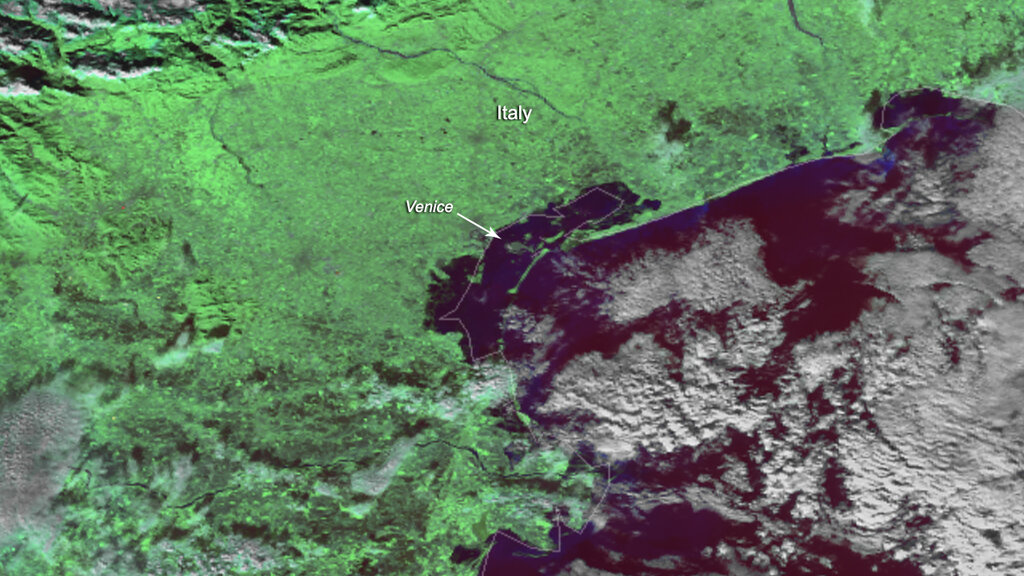
This wasn't a strategic military relocation; it was a desperate scramble for survival. The lagoon's geography was its greatest defense. Its shallow waters, shifting mudflats, and maze-like channels were treacherous for invaders unfamiliar with the terrain. A cavalry charge is useless in a swamp, and large ships could easily run aground. For the refugees, this formidable environment offered a sanctuary where they could regroup and begin to build a new life, far from the chaos of the mainland.
Foundations in the Mud
Turning a temporary refuge into a permanent home required incredible ingenuity. Building on the soft, unstable mud of the lagoon floor was a monumental engineering challenge. The solution was to create artificial foundations by driving thousands of wooden piles deep into the marsh.
They used trunks of alder wood, a timber known for its water resistance. These piles, sharpened at one end, were driven through the soft layers of mud and silt until they reached a hard, stable layer of compressed clay known as the caranto. This provided a solid base.
Once the piles were in place, they were cut to a uniform level just below the low-tide mark, protecting the wood from rot-inducing air. On top of this dense forest of submerged posts, they laid waterproof Istrian stone platforms, which served as the true foundations for their houses, churches, and civic buildings. This painstaking process, repeated over centuries, is literally what holds Venice up.
From Province to Power
Politically, the early lagoon settlements were not an independent state. They were a remote and somewhat neglected duchy of the Byzantine Empire, the eastern remnant of Roman power. The settlers were still Roman citizens, technically under the jurisdiction of Constantinople. However, their isolation was a powerful force.
The vast distance and difficult communication with the imperial capital, combined with the need for self-governance in their unique environment, fostered a fierce spirit of independence. The communities learned to manage their own affairs, from dredging canals to organizing defenses. This practical autonomy grew over time. While mainland Italy was splintering into a feudal patchwork of territories controlled by Lombard and Frankish lords, the Venetians were building a society based on maritime trade and communal governance. This divergence culminated in 697 AD with the traditional date for the election of their first leader, the Doge, marking a crucial step from a collection of refugee camps toward a sovereign republic.
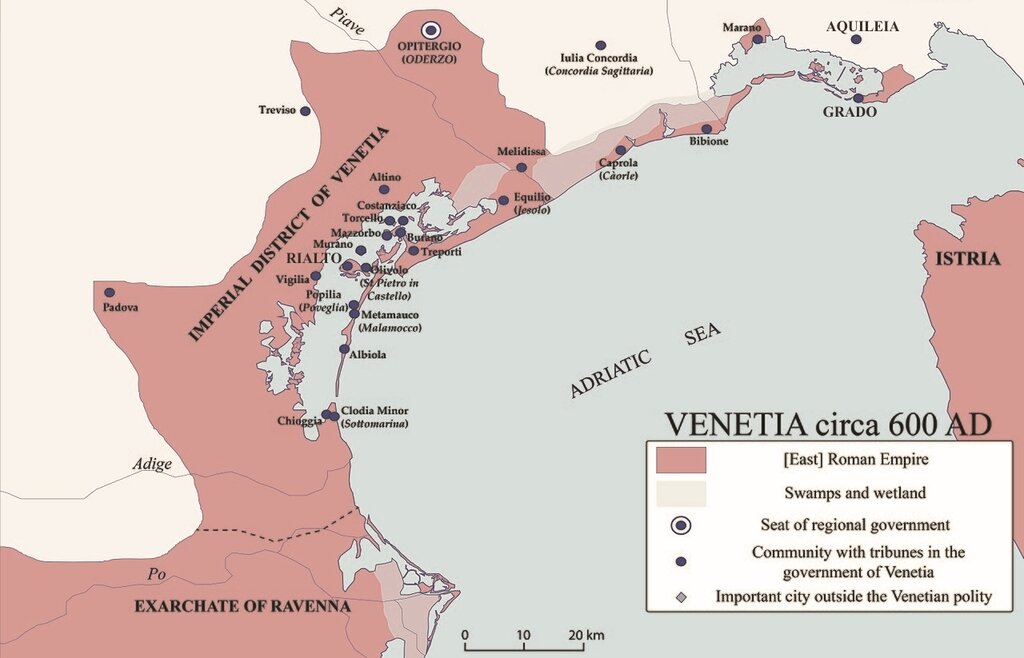
The population itself was a mosaic of Roman society. They were not a single tribe or ethnic group, but a mix of fishermen, merchants, senators, and craftsmen who had fled the mainland. This diverse demographic brought a range of skills and a shared experience of loss that forged a new, distinct Venetian identity. They were bound not by ancient ancestry, but by their mutual dependence on the lagoon and their determination to build a new world on the water.
The Venetian lagoon was first settled when mainlanders fled from Attila’s invasion of Italy.
This unique genesis, born from necessity and shaped by a challenging landscape, was the foundation for everything that followed. The strategic isolation, engineering innovation, and political independence developed in these early centuries set the stage for Venice's eventual rise as a dominant maritime and commercial power.