Rise and Resilience of the Roman World
Republican Expansion Dynamics
The Engine of Expansion
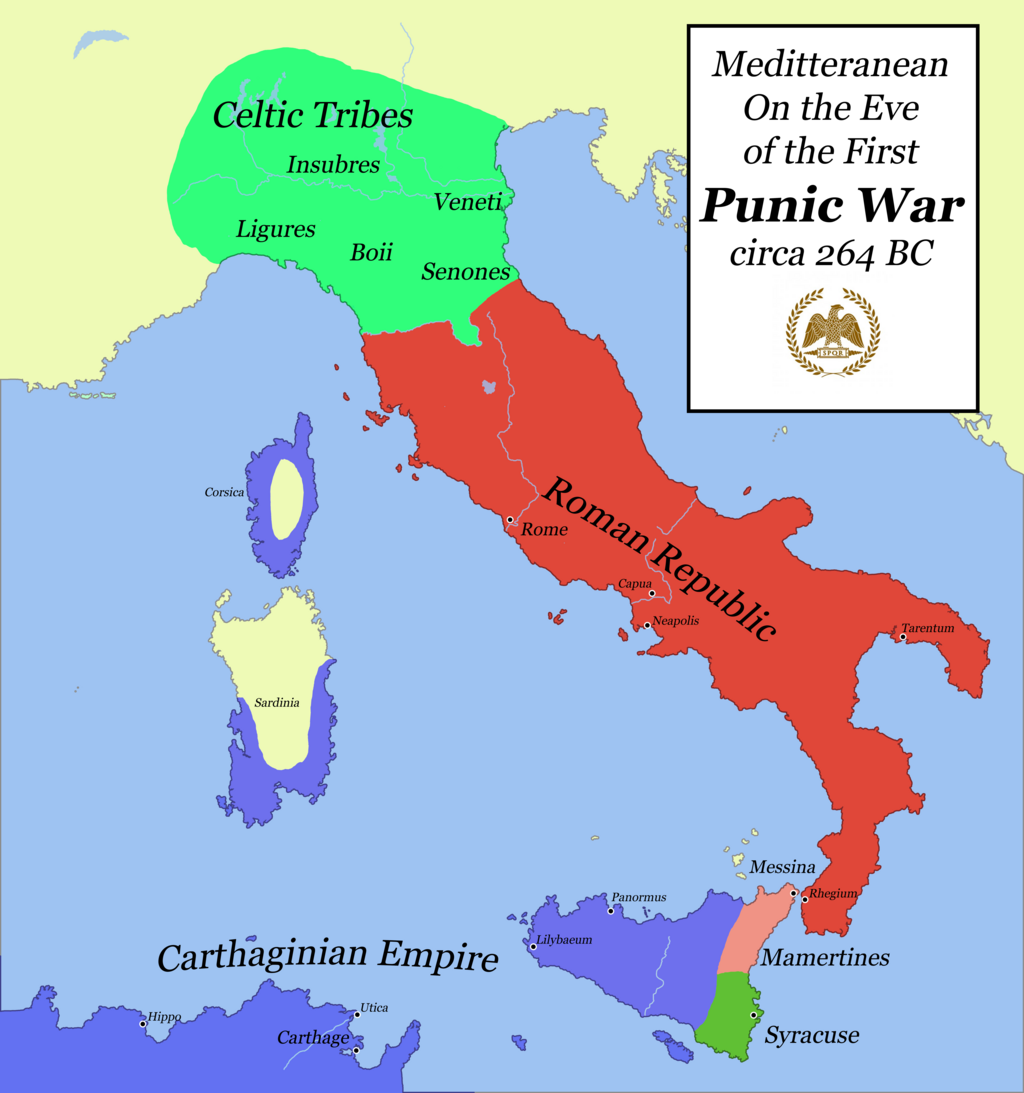
Rome's rise wasn't just a story of brilliant generals or legendary legions. It was powered by a unique system that turned conquest into a self-fueling engine. Instead of relying solely on its own citizens, Rome built a vast network of alliances across the Italian peninsula. These allies, known as the Socii, were the core of Rome's military might.
The arrangement was simple: the Socii provided soldiers for Rome's armies, and in return, they received protection and a share of the spoils from victorious campaigns. This created an enormous reservoir of manpower that other powers couldn't match.
When Hannibal inflicted devastating losses on the Romans during the Second Punic War, he expected them to sue for peace. He had destroyed entire consular armies. But Rome's manpower system allowed it to absorb these catastrophic defeats and raise new legions, again and again. This resilience, fueled by its allies, was a key strategic advantage that baffled its enemies.
The Spoils of War
This constant supply of soldiers needed a purpose, and Roman society provided powerful incentives for war. For the political elite, a military command was the main path to fame, fortune, and the highest offices of the Republic. A successful general could return to Rome with immense personal wealth from plunder and celebrate a "triumph"—the highest honor a citizen could achieve. This created a ruling class that was perpetually eager to find new conflicts and expand Roman territory.
For the common soldier, the motivation was more tangible: land. As Rome conquered its enemies, it seized vast tracts of their territory. This land became ager publicus, or public land, and it was the ultimate reward for military service.
Ager Publicus
noun
Land owned by the Roman state that was acquired through conquest from defeated enemies. It was often leased out or distributed to Roman citizens.
The promise of a farm from the ager publicus was a powerful tool for recruitment. It satisfied the land hunger of a growing peasantry and gave ordinary citizens a direct stake in Rome's expansion. This created a simple, powerful cycle: more soldiers led to more conquests, which yielded more land, which in turn motivated more men to enlist. Warfare became the economic foundation for a significant part of the population.
An Unstable Foundation
The Punic Wars and the subsequent conquest of the Mediterranean supercharged this system, but they also introduced a destabilizing new element: an enormous influx of slave labor. Hundreds of thousands of captives were brought back to Italy and put to work on massive agricultural estates, known as latifundia, owned by the wealthy elite.
These slave-run estates could produce grain and other goods far more cheaply than the small family farms owned by Roman citizens. The very soldiers who were fighting to expand the Republic returned home to find they couldn't compete economically. They were often forced to sell their land—sometimes the very land they had been granted for their service—and migrate to the city of Rome, swelling the ranks of a landless, unemployed urban poor.
This process hollowed out the Roman peasantry, the traditional backbone of the army. The system that incentivized conquest was simultaneously destroying the class of citizens who did the fighting.
This growing inequality and social dislocation would not be resolved easily. The conflict over land distribution, the political power of generals who commanded the loyalty of landless soldiers, and the plight of the urban poor became central issues that would plague the late Republic. The engine of expansion had created immense power and wealth, but it also sowed the seeds of the Republic's eventual collapse.
Now, let's test your understanding of the forces that drove Roman expansion.
What was the primary source of Rome's resilient and vast manpower that allowed it to recover from devastating losses, such as those inflicted by Hannibal?
For the Roman elite, what was the principal motivation for pursuing military command and advocating for war?
Rome's expansion was a complex process driven by a unique combination of military organization, political ambition, and economic incentives that ultimately transformed the Republic.