Rise and Fall of European Powers
Ancient Greece
The Greek City-State
Ancient Greece wasn't a single, unified country like we think of today. Instead, it was a collection of independent city-states, or poleis. Each polis had its own government, laws, and army. These cities were fiercely independent and often competed with each other, but they shared a common language, religion, and culture. This unique structure fostered incredible innovation and intense rivalry.
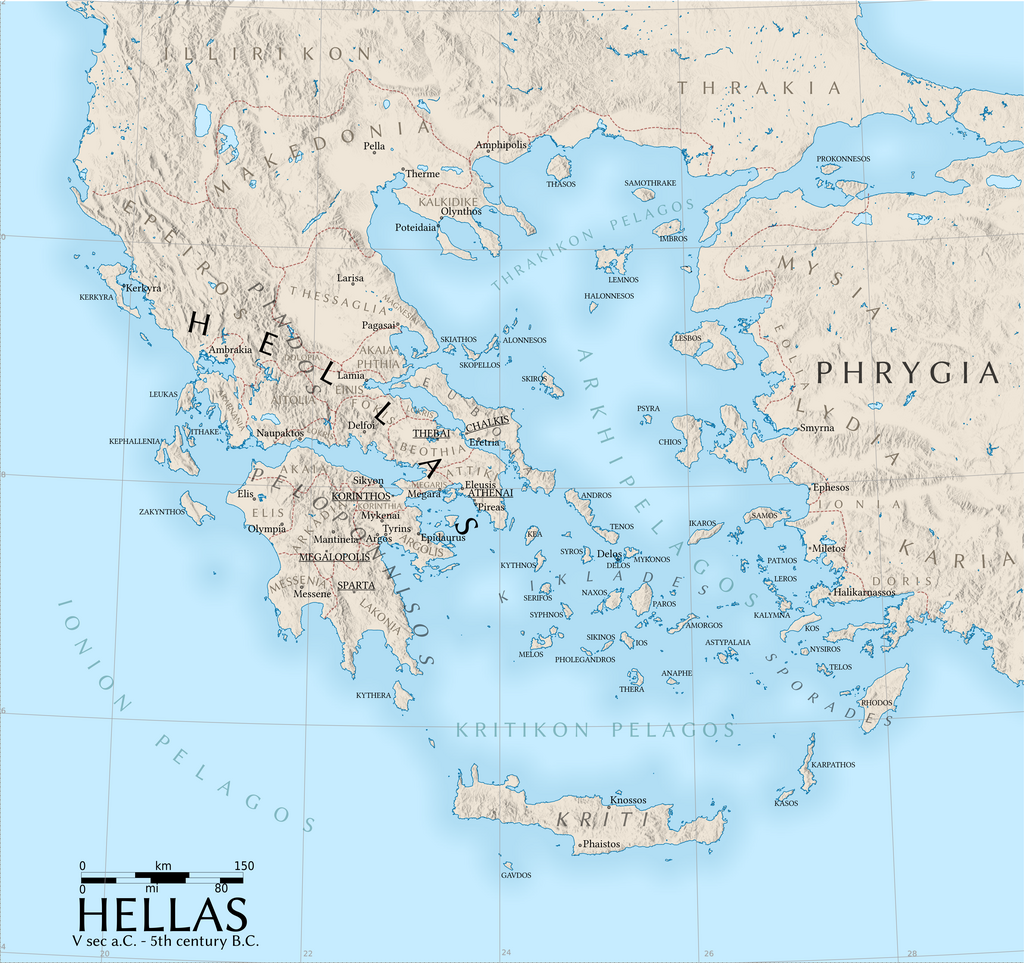
Two city-states came to dominate the Greek world: Athens and Sparta. They represented two very different ways of life.
Athens was a bustling port city, a center of trade, art, and new ideas. It valued creativity, intellectual curiosity, and civic participation. Its power was built on its formidable navy, which controlled the seas and protected its trade routes.
Sparta, on the other hand, was an inland, land-locked power. It was a highly disciplined, militaristic society where every aspect of life revolved around creating strong soldiers. From a young age, Spartan boys were trained for war, and the state's needs always came before the individual's.
| Feature | Athens | Sparta |
|---|---|---|
| Government | Evolved into a direct democracy | Oligarchy (rule by a few) with two kings |
| Economy | Based on trade and commerce | Based on agriculture and conquest |
| Society | Valued arts, philosophy, and culture | Valued military strength and discipline |
| Role of Men | Expected to participate in government | Trained from childhood to be soldiers |
| Role of Women | Limited public role, focused on home | More freedom, expected to be physically fit |
The Birth of Democracy
Athens gave the world one of its most powerful ideas: democracy, or "rule by the people." Athenian democracy was different from modern representative systems. It was a direct democracy, where eligible citizens had the right to vote directly on laws and policies.
The main democratic body was the Assembly, or Ekklesia, which met on a hill called the Pnyx. Any citizen could attend, speak their mind, and vote. This system encouraged public debate and gave citizens a real stake in their government. While it was limited—women, slaves, and foreigners could not participate—it was a revolutionary step toward giving political power to the people.
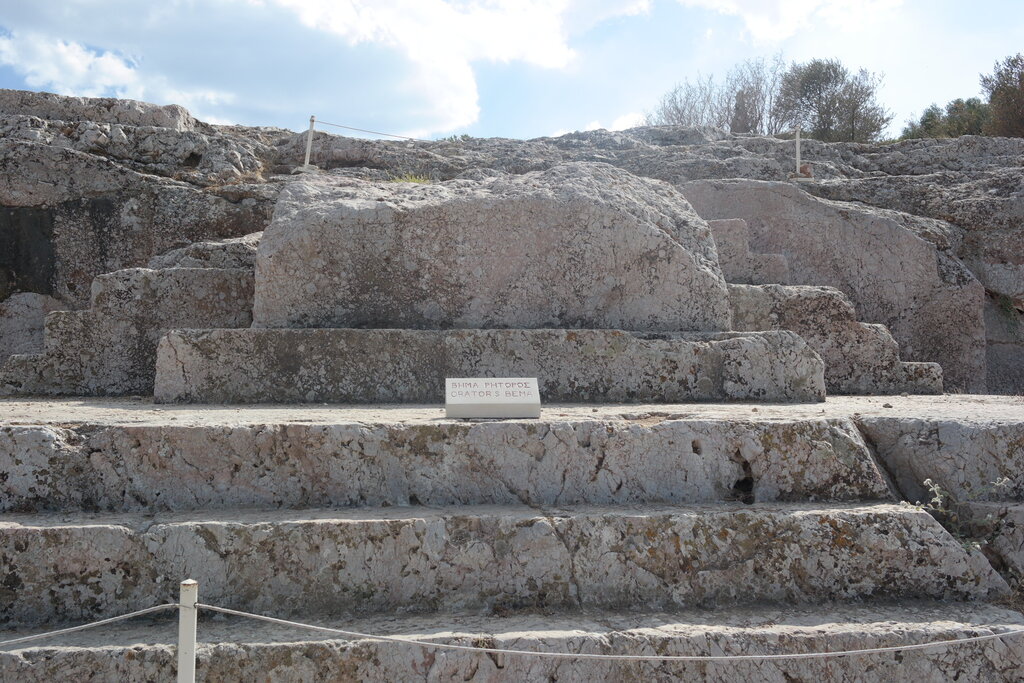
This environment of open debate and questioning authority wasn't limited to politics. It also created the perfect conditions for a new kind of thinking to emerge: philosophy.
Greek political philosophy, emerging in the 5th and 4th centuries BCE, laid the groundwork for subsequent Western political thought.
The Great Thinkers
The intellectual world of Athens was dominated by three towering figures who laid the foundations of Western philosophy: Socrates, his student Plato, and Plato's student Aristotle. Together, they shifted human thought from mythological explanations of the world to a focus on reason and logic.
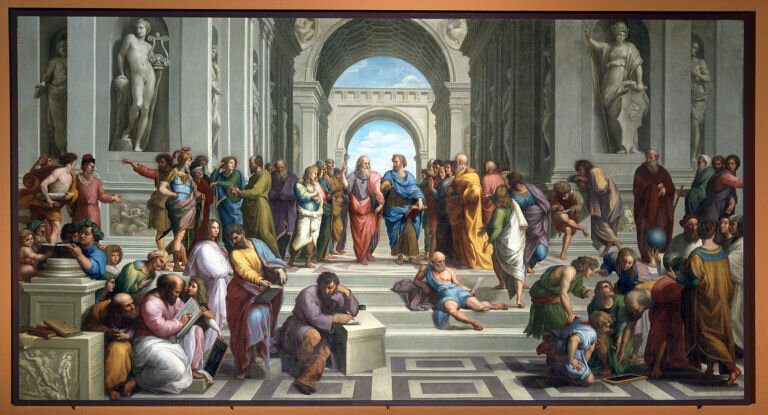
Socrates was a famous and often annoying figure in the Athenian marketplace. He didn't write any books, but he engaged people in conversation, constantly asking questions to challenge their assumptions. This method of inquiry, now called the Socratic method, aimed to arrive at truth through reasoned dialogue. He believed the most important pursuit was examining one's own life and moral character.
Plato was deeply influenced by Socrates's execution and dedicated his life to exploring questions of justice, truth, and reality. He founded a school called the Academy, one of the first institutions of higher learning. Plato argued that the world we perceive with our senses is just a shadow of a higher reality of perfect "Forms" or "Ideas."
Aristotle studied at Plato's Academy for 20 years before founding his own school, the Lyceum. He was a polymath who wrote on everything from logic and biology to ethics and politics. Unlike Plato, Aristotle was deeply interested in the observable world. He categorized plants and animals, analyzed different forms of government, and developed a system of logic that would dominate Western thought for centuries.
Art and Architecture
The ancient Greeks strove for excellence and a sense of ideal order in everything they created. Their art and architecture were built on principles of harmony, proportion, and balance. This pursuit of the ideal is most famously seen in their temples.
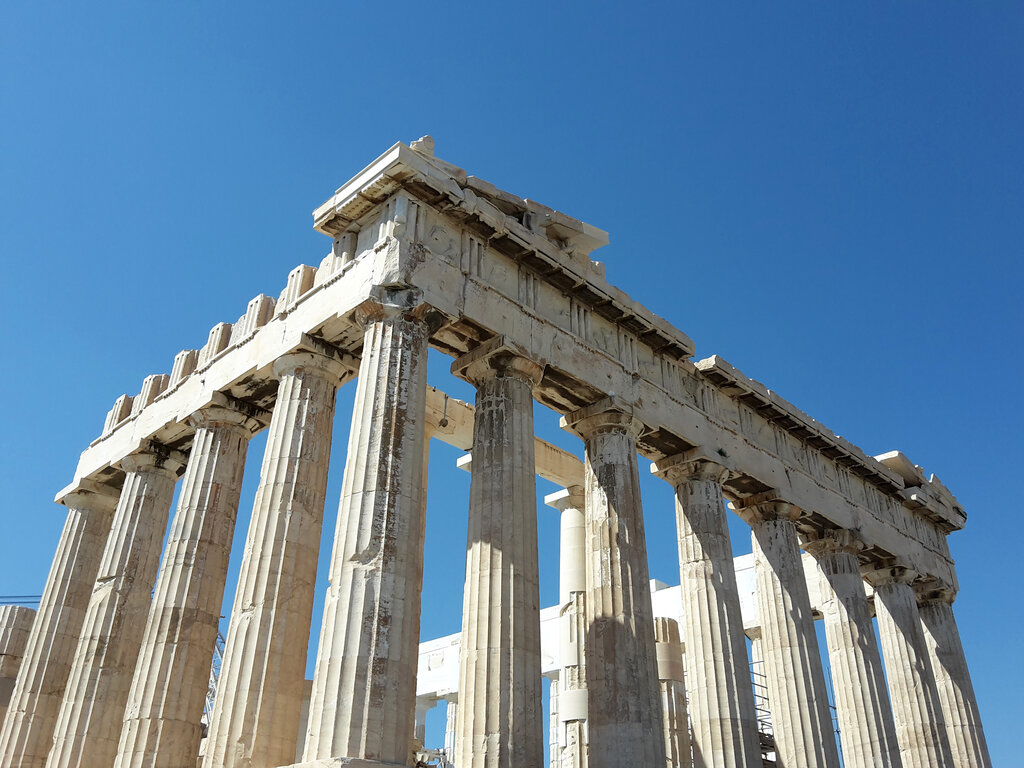
The most iconic example is the Parthenon, a temple dedicated to the goddess Athena on the Acropolis of Athens. It showcases the Doric architectural order, one of three styles developed by the Greeks (the others being Ionic and Corinthian). Every part of the building was designed with mathematical precision to appear visually perfect.
Greek sculpture also evolved to represent the human form with stunning realism and idealized beauty. Early statues were rigid and stylized, but over time, sculptors mastered anatomy and learned to depict figures in dynamic, lifelike poses. Their work in bronze and marble set a standard for Western art that is still admired today.
Pottery was another key art form. Vases were not just functional objects for storing wine and oil; they were canvases for intricate paintings. Artists depicted scenes from mythology, history, and daily life, giving us invaluable insights into their world.
What was the fundamental political unit of ancient Greece?
Which statement best contrasts the primary focus of Athenian and Spartan society?