Ribbit's Token Revolution Explained
Introduction to Tokenization
What is Tokenization?
At its heart, tokenization is the process of converting ownership rights of an asset into a digital token. Think of a casino chip. You trade your cash for a plastic disc that represents that cash within the casino. The chip itself isn't the money, but it's a stand-in for it, a token of value.
Modern tokenization does the same thing, but with digital assets on a secure network called a blockchain. Almost anything can be tokenized: a piece of real estate, a share in a company, a work of art, or even your car. This process creates a digital certificate of ownership that is easy to transfer and track.
Tokenization refers to the process of converting real-world assets into digital tokens on a blockchain.
The token itself is just a digital file. Its power comes from the system it lives on, which publicly records who owns what, making ownership clear and verifiable.
Token
noun
A digital representation of an asset, right, or value that exists on a blockchain.
The Blockchain Backbone
The technology that makes digital tokens possible is the blockchain. You can imagine a blockchain as a special kind of digital notebook. This notebook is shared among a vast network of computers, and every transaction is recorded as a new entry, or "block."
Once a block is added to the chain, it's permanent and can't be altered. It’s linked cryptographically to the one before it, creating a secure and unbroken chain of information. This structure has three key features:
- Decentralized: No single person or company owns the notebook. It’s maintained by everyone in the network.
- Transparent: Anyone on the network can see the transactions, making it hard to cheat the system.
- Immutable: Once a record is added, it’s practically impossible to change or delete it.
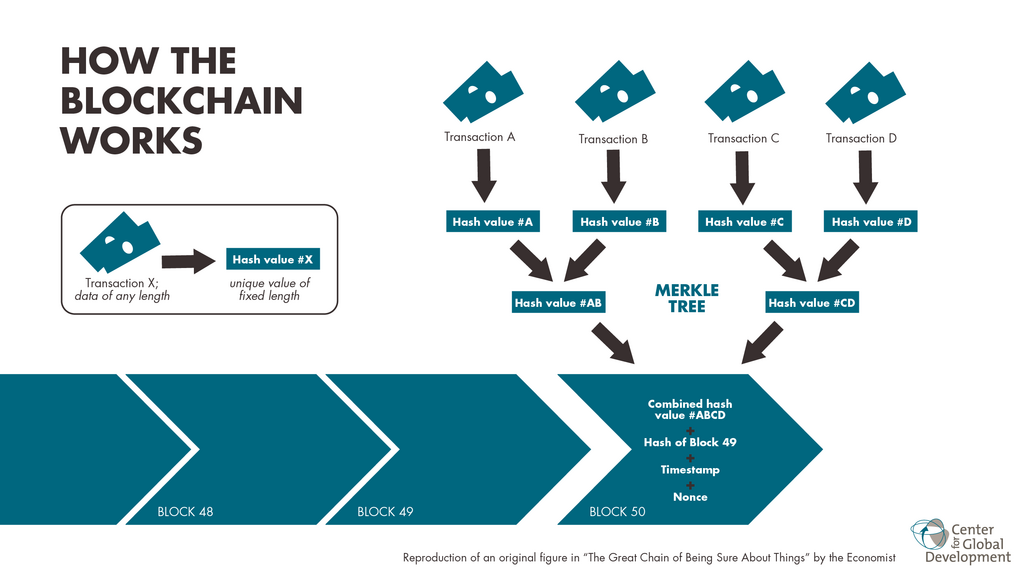
This combination of security and transparency is why blockchains are ideal for managing ownership through tokens. It creates a trusted system for tracking assets without needing a central authority like a bank or government.
Fungible vs Non-Fungible
Tokens come in two main flavors: fungible and non-fungible. The difference is all about interchangeability.
Fungible tokens are mutually interchangeable. One is exactly the same as another. A dollar bill is fungible because you can swap it for any other dollar bill and have the exact same value. Cryptocurrencies like Bitcoin and Ethereum are made of fungible tokens. One Bitcoin is always equal to another Bitcoin.
Non-fungible tokens (NFTs), on the other hand, are unique. Each one is one-of-a-kind and cannot be replaced with another. Think of the deed to your house or a ticket to a specific concert seat. They represent ownership of a particular, unique item. An NFT could represent a digital painting, a collectible item in a game, or even a domain name.
| Feature | Fungible Token | Non-Fungible Token (NFT) |
|---|---|---|
| Interchangeability | Yes, interchangeable | No, unique |
| Value | Equal to others of its kind | Unique value per token |
| Divisibility | Yes, can be split | No, typically indivisible |
| Example | A dollar bill, Bitcoin | A painting, a house deed |
This distinction is crucial because it allows for different kinds of assets to be represented digitally. Fungible tokens are great for currencies, while NFTs are perfect for proving ownership of unique goods.
An Old Idea Reimagined
While blockchain-based tokenization is new, the core idea isn't. Humans have used physical tokens to represent value for centuries.
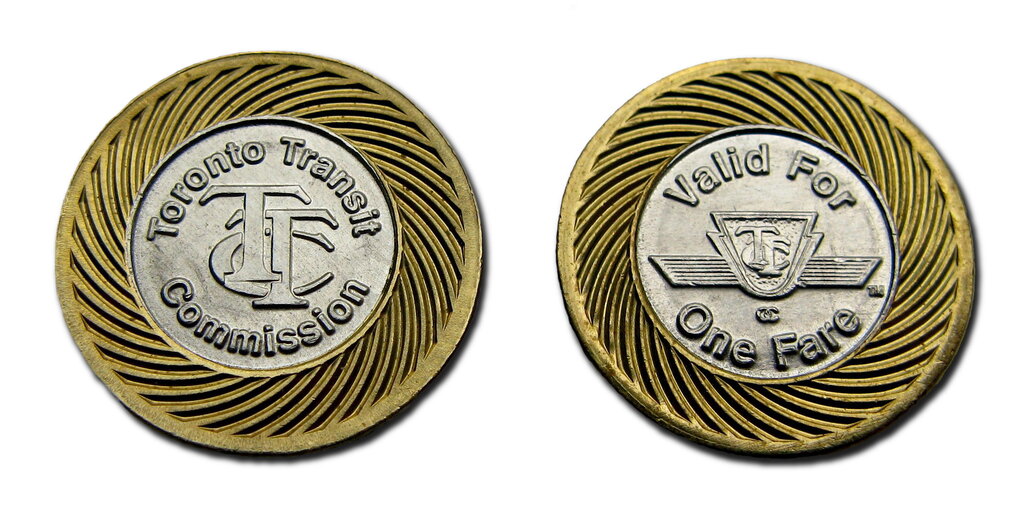
Ancient Mesopotamians used clay tokens to record shipments of grain. Arcades use metal tokens to operate games. Public transit systems used to rely on tokens for fares. These objects had no inherent value, but they represented a right to something else, a service or a good.
What blockchain brings to this old concept is a global, secure, and instant way to manage and transfer these tokens without needing a trusted middleman. It takes a proven concept and prepares it for a digital world.
Now that you've got the basics down, let's test your knowledge.
What is the core concept of tokenization?
A concert ticket for a specific seat (Section A, Row 5, Seat 12) is a good real-world analogy for a...
Understanding these fundamentals sets the stage for exploring how tokenization is changing industries from finance to art.