Rhode Island Truck Tolling Program Explained
Introduction to RhodeWorks
A Plan for Crumbling Bridges
By the mid-2010s, Rhode Island faced a serious problem. Its bridges, essential arteries for travel and commerce, were among the most structurally deficient in the United States. Years of deferred maintenance meant that over one in five bridges were in poor condition. The situation was not just an inconvenience; it was a growing safety concern and a drag on the state's economy.
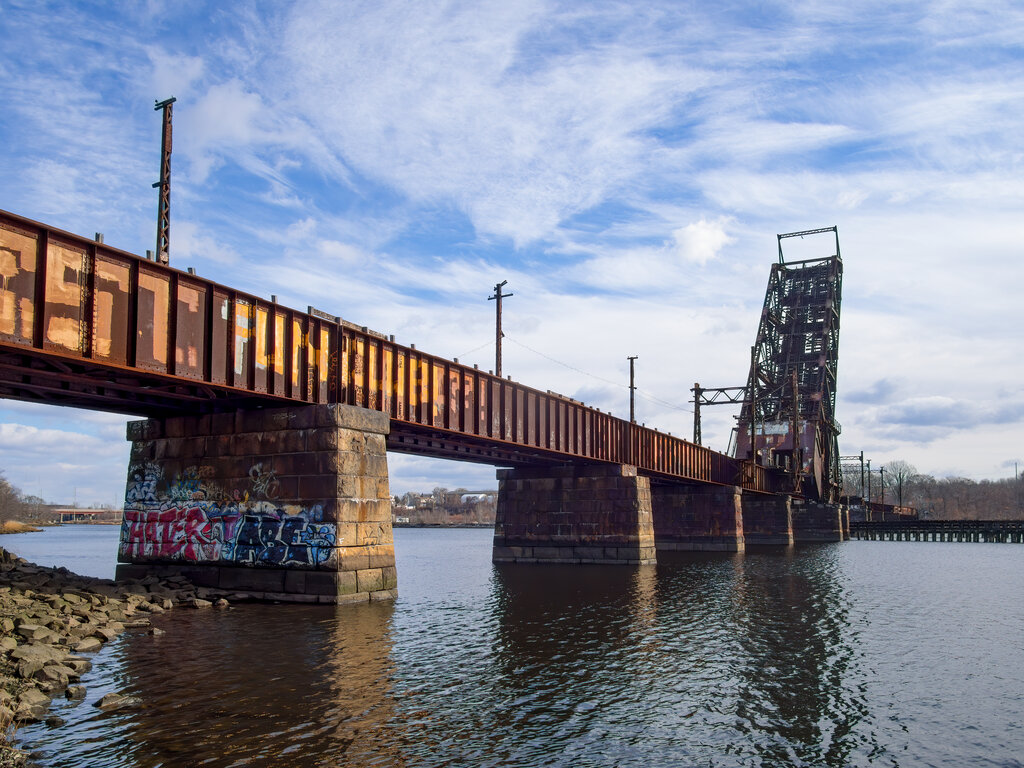
In response, the Rhode Island Department of Transportation (RIDOT) launched an ambitious 10-year program in 2016 called RhodeWorks. The primary objective was clear and urgent: to systematically repair, replace, and maintain the state's vast network of bridges to bring them into a state of good repair. The goal wasn't just a quick fix, but a long-term solution to ensure the infrastructure would remain safe and reliable for decades to come.
Finding the Funds
A plan of this magnitude required a significant and steady stream of funding, far more than traditional sources like gas taxes could provide. To solve this, RhodeWorks introduced a new user-fee-based system: truck-only tolls. This approach was designed to generate a dedicated source of revenue specifically for bridge and road reconstruction.
The core idea was that the users who place the most strain on the infrastructure should contribute more to its upkeep.
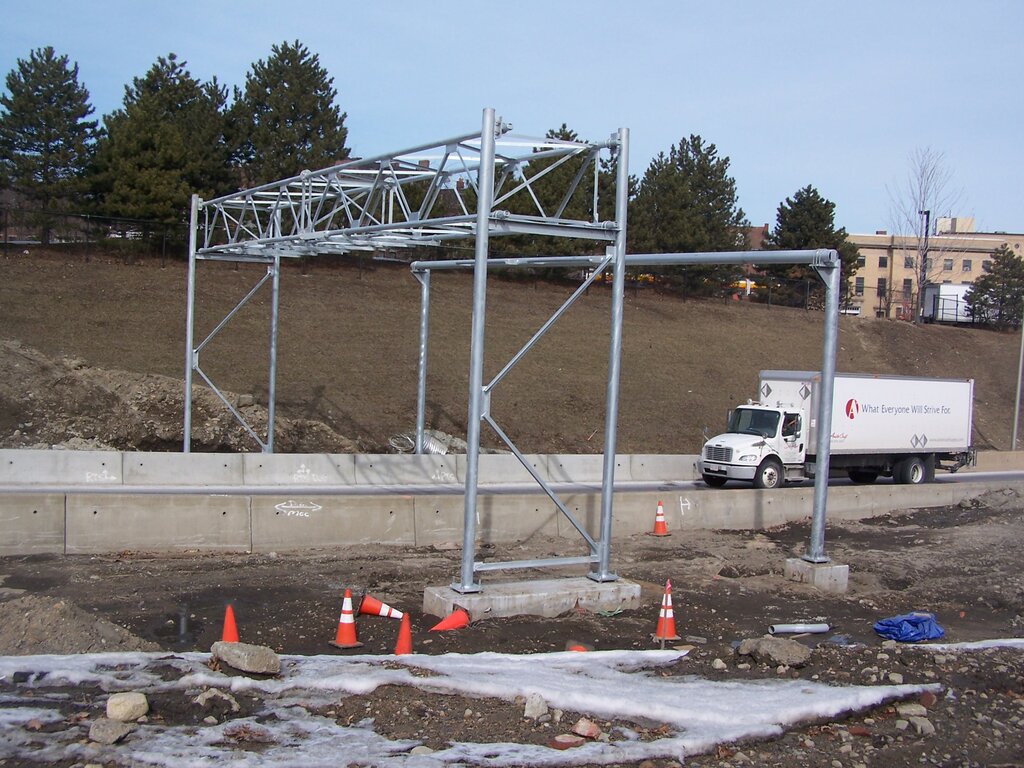
Electronic tolling gantries were installed on major interstates across the state. These gantries automatically charge large commercial trucks as they pass underneath, with the collected revenue funneled directly back into the RhodeWorks program. This created a self-sustaining financial model for rebuilding the state's infrastructure without placing the primary burden on local taxpayers or passenger car drivers.
Why Target Trucks?
The decision to toll only large commercial trucks was based on a simple principle of physics: weight. The damage a vehicle inflicts on a road or bridge increases exponentially with its axle weight. A single fully loaded tractor-trailer can cause as much wear and tear as thousands of cars.
| Vehicle Type | Typical Weight | Equivalent Pavement Wear |
|---|---|---|
| Passenger Car | ~4,000 lbs | 1 unit |
| Large Commercial Truck | ~80,000 lbs | 9,600 units |
By tolling the heaviest vehicles, the state aimed to create a more equitable system where the costs of maintenance are more closely aligned with the amount of damage caused. Since many of these trucks are involved in interstate commerce and simply pass through Rhode Island, the tolls also capture revenue from out-of-state entities that use and wear down the state's infrastructure.
Rebuilding for the Future
The expected outcome of RhodeWorks is a dramatic improvement in the condition of Rhode Island's infrastructure. The program aims to reduce the percentage of deficient bridges from over 20% to below 10%, meeting federal standards and ensuring public safety. The funding from tolls allows RIDOT to bundle projects, accelerate construction timelines, and use modern techniques.
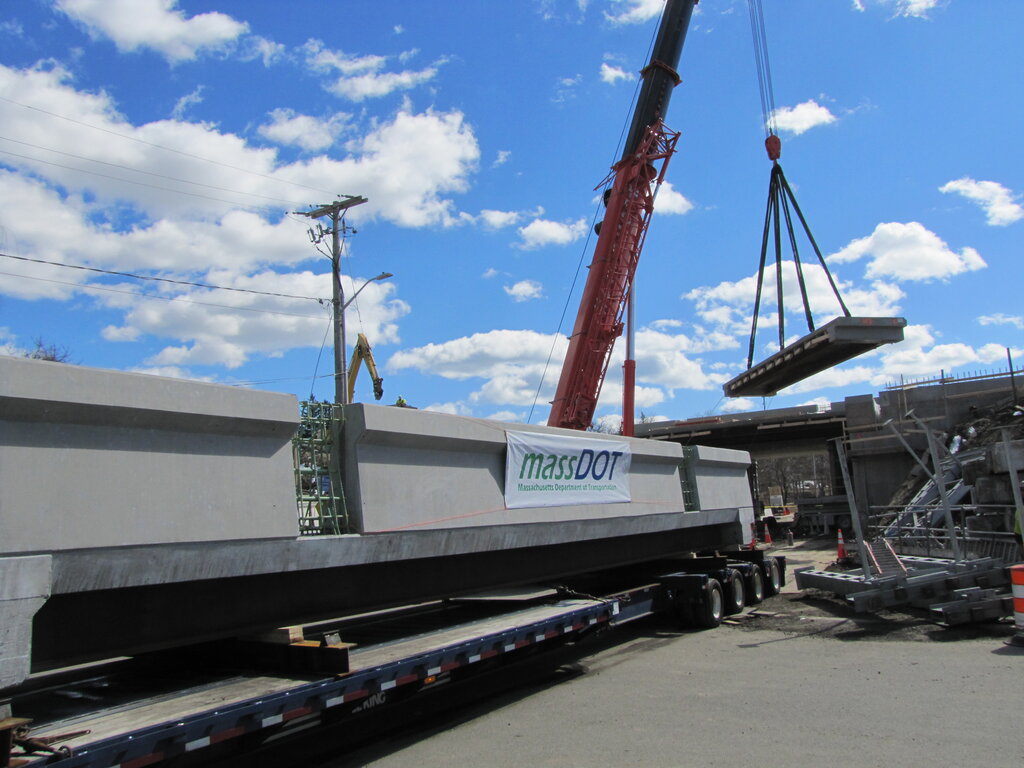
Beyond immediate repairs, the program is designed to establish a proactive, ongoing maintenance schedule. By addressing issues before they become critical, the state can avoid the costly emergency repairs of the past and extend the lifespan of its bridges. Ultimately, the goal is to create a transportation system that is safe, efficient, and built to last.
Let's check your understanding of the key aspects of the program.
What was the primary problem that led to the creation of the RhodeWorks program?
Why does the RhodeWorks program's tolling system target only large commercial trucks?