Rhetorical Figures Explained
Introduction to Rhetorical Figures
The Art of Language
Language is more than just a way to state facts. It's a tool for connecting, persuading, and painting pictures with words. When we intentionally step away from plain, literal language to create a specific effect, we're using what's known as a rhetorical figure, or a figure of speech. Think of it like a musician choosing to play a specific chord to evoke a certain feeling. A writer or speaker does the same with words.
These techniques aren't new. For thousands of years, thinkers, orators, and writers have studied the art of persuasion, known as rhetoric. Ancient Greek and Roman philosophers like Aristotle and Cicero were masters at identifying how language could be structured to be more powerful and memorable. Their ideas have shaped how we communicate in everything from presidential speeches to advertising slogans.
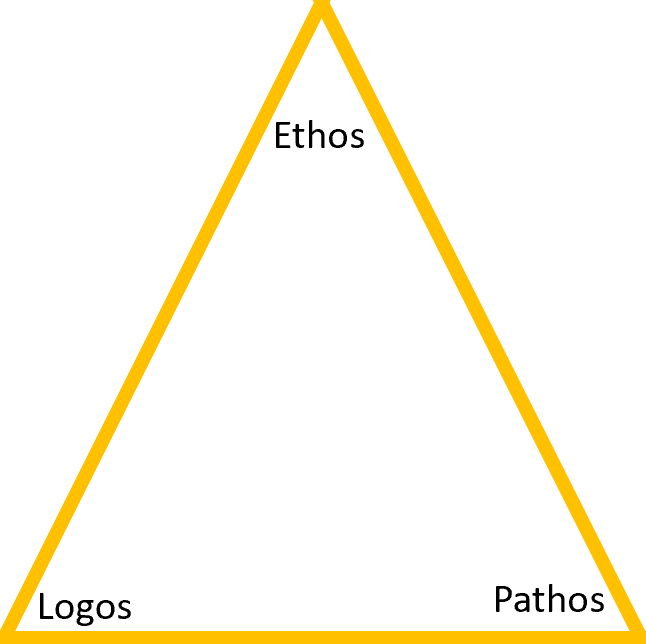
But why does this matter? Using rhetorical figures makes communication more engaging and effective. It can make a complex idea easier to understand, a boring statement more interesting, and a persuasive argument more compelling. By moving beyond the literal, we can tap into emotion, create vivid mental images, and make our messages stick in the minds of our audience.
Figures of speech aren't just decorative flourishes—they're the core mechanics of how language creates meaning beyond literal definition.
Two Kinds of Figures
While there are dozens of specific rhetorical figures, they generally fall into two broad categories: schemes and tropes. Understanding the difference is key to seeing how they work.
Scheme
noun
A figure of speech that deals with the arrangement of words, focusing on sentence structure, rhythm, and patterns.
Schemes are all about form. They don't change the literal meaning of words but play with how those words are ordered. Think of it as the grammar and syntax of style. When a speaker repeats a phrase for emphasis or arranges a list in a catchy way, they're using a scheme. The power comes from the pattern itself.
Trope
noun
A figure of speech that changes the literal meaning of a word or phrase to something else.
Tropes are about meaning. This is where we get into things like metaphors, similes, and irony. When you say you have a “ton of homework,” you're not speaking literally about weight. You're using a trope (hyperbole, in this case) to change the meaning and emphasize the large amount of work you have. Tropes ask the listener to think beyond the surface-level definition of the words.
| Category | Focus | Example Idea |
|---|---|---|
| Schemes | Arrangement of words | "Ask not what your country can do for you—ask what you can do for your country." (The meaning of 'country' and 'you' doesn't change, but the structure creates impact.) |
| Tropes | Meaning of words | "All the world's a stage." (The world isn't literally a stage; the meaning is changed to make a comparison.) |
Mastering rhetoric begins with recognizing these fundamental building blocks. Once you can spot the difference between changing a sentence's structure and changing a word's meaning, you're on your way to understanding the subtle art of persuasion.