Rhetoric of Martyrdom in Conservative Politics
Introduction to Political Rhetoric
The Language of Influence
Politics is a conversation. It's an ongoing, often messy, debate about how we should live together. At the heart of this conversation is political rhetoric: the art of using language to persuade, influence, and shape public opinion. It’s not just about grand speeches from a podium; it's in the slogans on posters, the arguments on a debate stage, and the framing of news stories.
Rhetoric
noun
The art of effective or persuasive speaking or writing, especially the use of figures of speech and other compositional techniques.
Understanding rhetoric is like learning the rules of a game. It helps you see the strategy behind the words and recognize how politicians build arguments, connect with voters, and push their agendas. In a democracy, where public opinion can change laws and elect leaders, this art of persuasion is a powerful force.
The Persuader’s Toolkit
Over 2,000 years ago, the Greek philosopher Aristotle identified three main ways to persuade an audience. This framework, often called the rhetorical triangle, is still incredibly relevant today.
-
Ethos (Credibility): This is an appeal to authority and trust. A politician might emphasize their military service, their business background, or their long history in public office. They're trying to convince you they are a credible, trustworthy source.
-
Pathos (Emotion): This is an appeal to the audience's feelings. Pathos can be powerful, stirring up hope, anger, fear, or patriotism. Stories of individual struggle or national triumph are often used to create an emotional connection with voters.
-
Logos (Logic): This is an appeal to reason. When a speaker uses statistics, facts, and logical arguments, they are using logos. They are making the case that their position is the most rational and well-supported choice.
The most effective political messages often blend all three appeals. They present a logical argument (Logos), delivered by a speaker you trust (Ethos), that makes you feel a certain way (Pathos).
Beyond these three appeals, politicians use many other techniques. Repetition helps drill a key message into the public's memory. A catchy slogan or a repeated phrase can become synonymous with a campaign. Framing is another key technique. This involves presenting an issue in a way that highlights a particular aspect. Is a tax a "revenue enhancement" or a "burden on families"? The frame changes how we perceive the issue.
Media and the Message
Rhetoric doesn't exist in a vacuum. The media, from traditional newspapers and television to social media platforms, acts as the primary channel for political messages. How the media covers politics can amplify, interpret, or even challenge a politician's rhetoric.
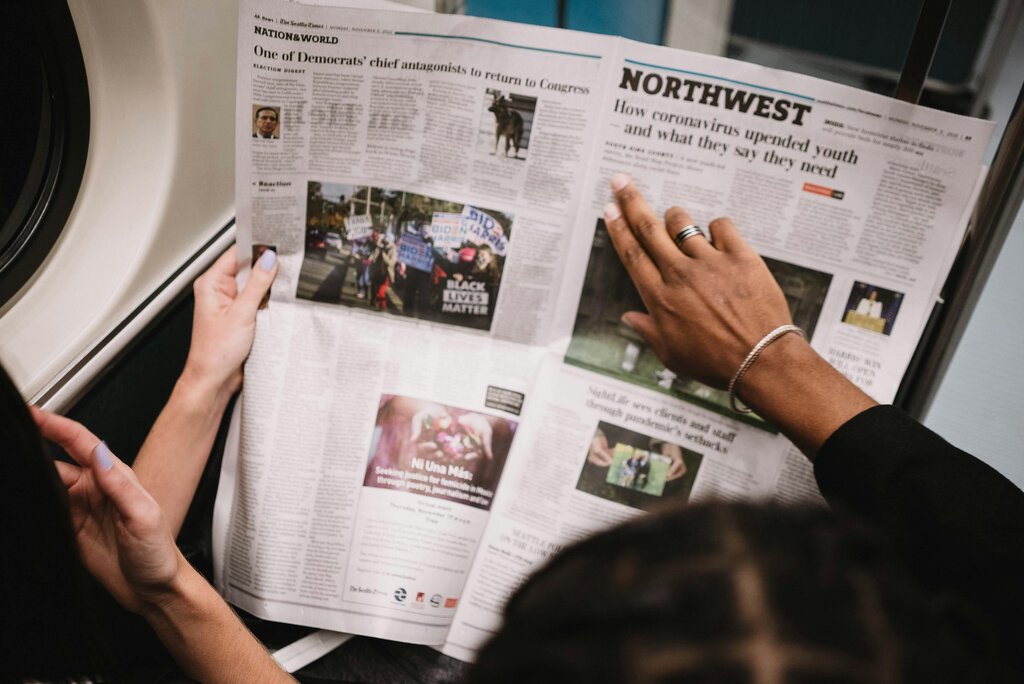
The 24-hour news cycle and the rapid-fire nature of social media have changed the game. Messages must be shorter, more memorable, and often more emotionally charged to cut through the noise. A single tweet can become a major talking point, and a viral video can shape public perception more than a detailed policy paper.
Ultimately, these rhetorical strategies have a real-world impact. They can mobilize voters to show up on election day, build support or opposition for a new law, and define how we see our leaders and our country. By understanding the techniques at play, we can become more informed and critical consumers of political communication, better able to analyze the messages that shape our world.
A political candidate frequently mentions their years of experience as a successful governor to demonstrate their leadership qualifications. Which rhetorical appeal are they primarily using?
Which of the following statements is the best example of an appeal to logos?