RFID RC522 Module Explained
Introduction to RFID
Wireless Barcodes
Imagine a barcode that you don't need to see to scan. That's the basic idea behind Radio-Frequency Identification, or RFID. It's a technology that uses radio waves to automatically identify and track objects.
Instead of a scanner needing a direct line of sight to read a printed code, an RFID system can read information from a distance, through materials like cardboard or plastic. This makes it incredibly useful for everything from tracking inventory in a warehouse to paying for groceries with a tap of your card.
Tags and Readers
Every RFID system has two main parts: a tag and a reader.
The tag is a small microchip attached to an antenna. It stores a unique identification number, much like a barcode. These tags are attached to the items you want to track, whether it's a library book, a shipping pallet, or a pet.
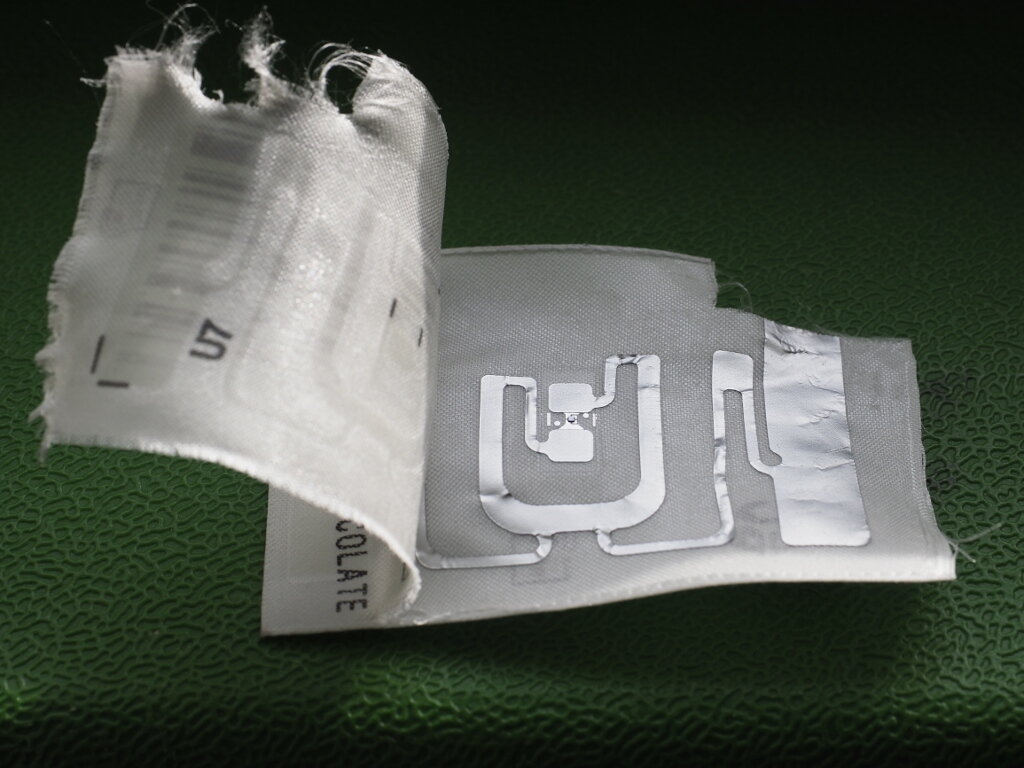
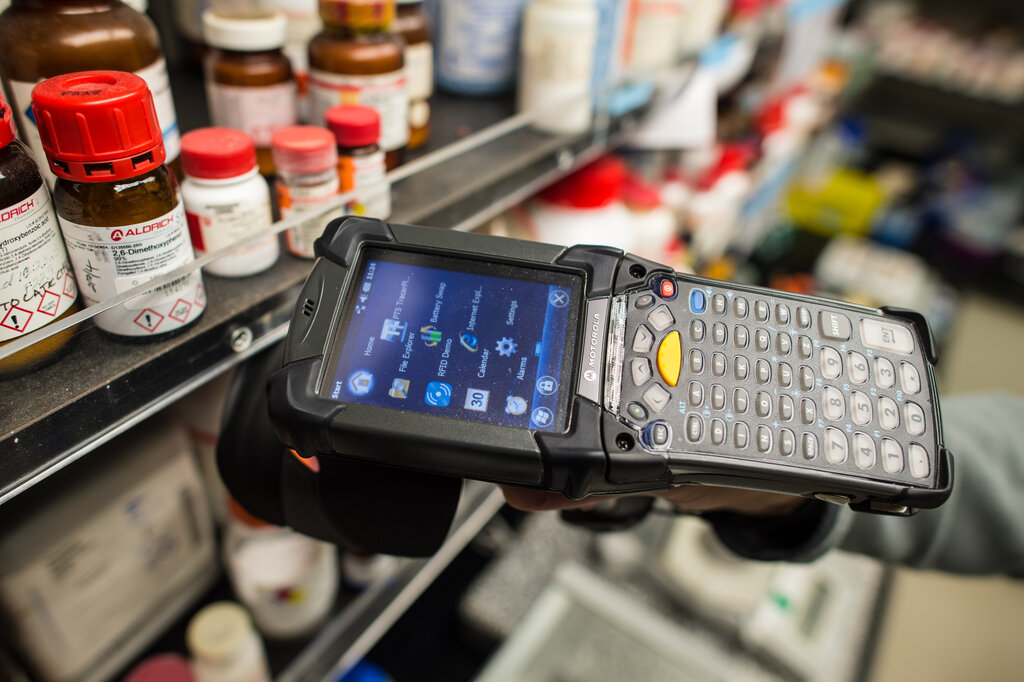
The reader, sometimes called an interrogator, is a device that sends out a radio signal. When a tag comes within range, the reader's signal powers the tag and picks up its unique ID. The reader then sends this information to a computer system for processing.
Passive vs. Active Tags
RFID tags come in two main flavors: passive and active. The key difference is how they're powered.
Passive Tag
noun
An RFID tag that does not have its own power source. It is powered wirelessly by the radio waves from an RFID reader.
Passive tags are the most common type. They wait for a signal from a reader. When the reader gets close, its electromagnetic field energizes the tag's antenna, which powers up the chip just long enough for it to send back its information. Because they don't need a battery, they are small, cheap, and can last for decades.
Active Tag
noun
An RFID tag equipped with its own internal power source, such as a battery.
Active tags have their own battery. This allows them to broadcast their signal continuously over a much larger distance. They are bigger, more expensive, and have a limited lifespan due to the battery, but their long range makes them ideal for tracking high-value assets over large areas, like vehicles in a shipping yard.
| Feature | Passive RFID Tag | Active RFID Tag |
|---|---|---|
| Power Source | Powered by reader | Internal battery |
| Read Range | Short (a few meters) | Long (100+ meters) |
| Cost | Low | High |
| Size | Small and thin | Larger and bulkier |
| Lifespan | Very long | Limited by battery |
| Example | Credit cards, passports | Toll road transponders |
Everyday Uses
Once you know what RFID is, you start seeing it everywhere. It's used for tracking packages in global supply chains, managing inventory in retail stores, and ensuring medication is authentic in pharmacies. It's the technology behind the key fob that opens your office door, the chip in your passport, and the automatic toll collection systems on highways.

This ability to quickly and wirelessly identify items without a direct line of sight has made processes faster, more accurate, and more efficient across dozens of industries.
What are the two main components of any RFID system?
What is the key difference between passive and active RFID tags?