Revive Your Slow Computer
Understanding Computer Performance
The Core Trio
A computer's performance feels like a single thing, but it's really a team effort between three key hardware components: the Central Processing Unit (CPU), Random Access Memory (RAM), and storage.
Think of the CPU as the computer's brain. It executes instructions and performs calculations. When you click an icon or type a sentence, the CPU is what carries out those commands. A faster CPU can process more instructions per second, making your computer feel snappier.
CPU
noun
The Central Processing Unit. The primary component of a computer that processes instructions.
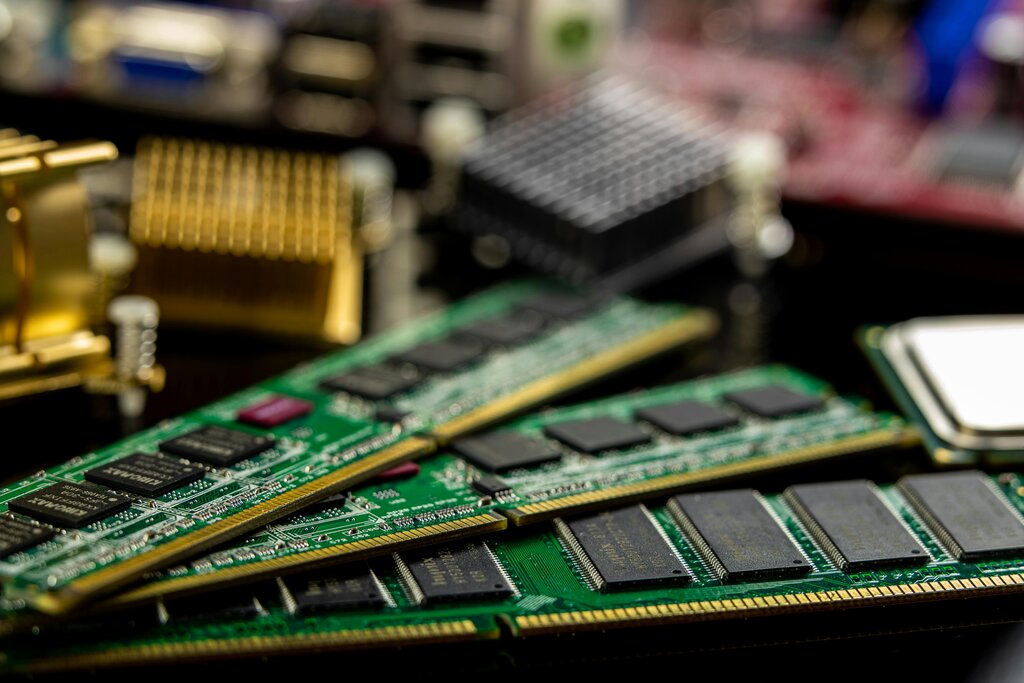
If the CPU is the brain, RAM is the computer's short-term memory. It's like a workbench. When you open an application, its data is loaded from your storage drive into RAM, where the CPU can access it quickly. The more RAM you have, the bigger your workbench is, and the more applications you can run smoothly at the same time without the system slowing down to swap data back and forth with storage.
Finally, there's storage, which is the computer's long-term memory. This is your hard drive or solid-state drive (SSD), where your files, applications, and operating system are kept permanently. It's like a filing cabinet. When you need a file, the computer retrieves it from storage and places it onto the RAM workbench for the CPU to use. The speed of your storage drive determines how quickly you can launch programs and open files.
The Conductor
Hardware is just a collection of parts until the operating system (OS) brings it to life. The OS, like Windows, macOS, or Linux, acts as the conductor of an orchestra. It manages all the hardware and software, ensuring they work together harmoniously.
The OS decides which program gets to use the CPU at any given moment, allocates portions of RAM for different applications, and manages the flow of data to and from your storage drive. A well-designed OS can perform these tasks efficiently, making the entire system feel responsive. This is why updates to your OS often include performance improvements—they're fine-tuning the conductor's ability to manage resources.
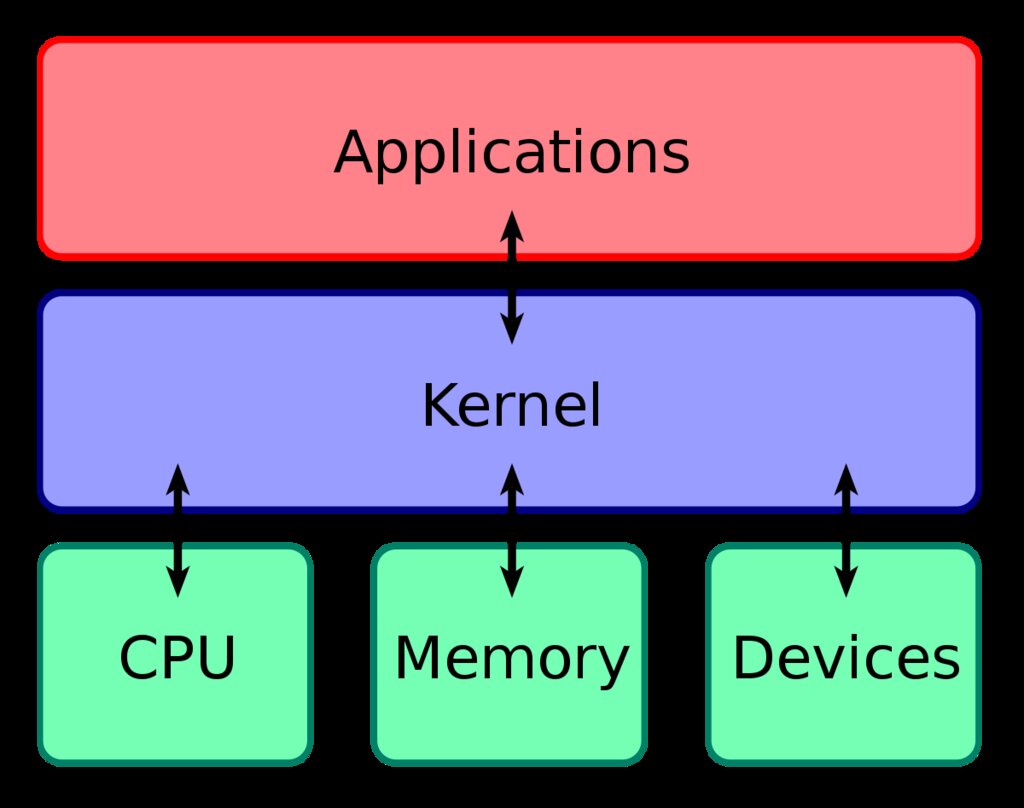
The OS is the traffic cop for your computer's resources, directing the flow of information between the CPU, memory, and storage.
Apps and Processes
Every program you run, from a web browser to a music player, consumes system resources. Even programs you don't see can be running in the background. These background processes handle tasks like checking for updates, syncing files to the cloud, or running antivirus scans.
Each application and process needs a slice of CPU time and a chunk of RAM to function. If you have too many demanding programs open at once, you can exhaust your available RAM or max out your CPU. When this happens, the OS has to work overtime, rapidly swapping data between the fast RAM and the much slower storage drive to keep things moving. This juggling act is what causes your computer to slow down, stutter, or become unresponsive.
Understanding this relationship is key. A powerful computer can still feel slow if it's bogged down by dozens of unnecessary applications and background processes all competing for the same limited resources.
Ready to check your understanding?
Using the provided analogy, which component acts as the computer's 'brain,' executing instructions and performing calculations?
If RAM is like a workbench, what is the most likely consequence of trying to run too many demanding applications at once with insufficient RAM?
By understanding how these components work together, you can better grasp why a computer behaves the way it does. It's all a balancing act between the brain, the workbench, the filing cabinet, and the conductor keeping everything in order.