Revit and Unreal for 4D Simulations
Introduction to 4D BIM
The Fourth Dimension
So far, we've explored Building Information Modeling (BIM) as a way to create intelligent 3D models of buildings. These models contain a wealth of data about a project's physical components. But what happens when we add the fourth dimension: time?
That's the essence of 4D BIM. It links the components of a 3D model to a project schedule. Think of a 3D model as a photograph of the finished building. A 4D model is like a movie of its construction, showing you exactly what should be built, where, and when. Each step of the construction process is visualized over time.
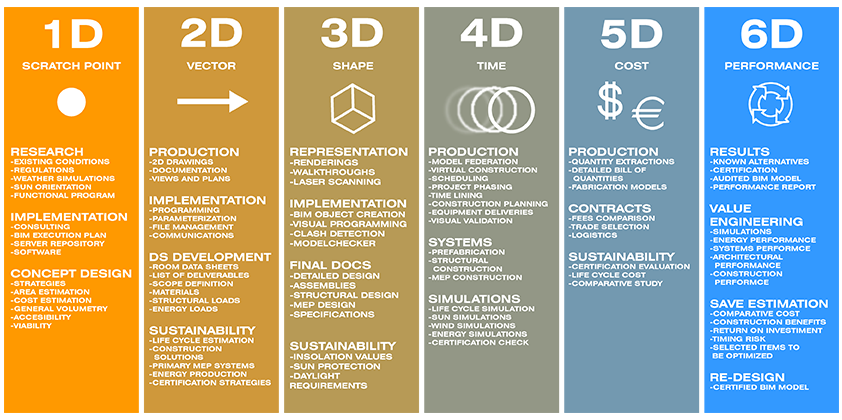
This isn't just a neat animation. It’s a powerful tool for planning and communication. By watching the sequence, teams can spot potential problems long before they happen on the construction site.
With 4D BIM, you can watch a project unfold digitally, from laying the foundation to installing the final fixtures, all before the first truck arrives on site.
Planning with Time
The primary benefit of 4D BIM is that it makes the project schedule visual and easy to understand. Traditional schedules, like Gantt charts, are useful but can be abstract and difficult for everyone on a large team to interpret. A 4D simulation translates that chart into a clear, step-by-step visual story.
This visual approach helps teams optimize the construction sequence. They can identify logistical hurdles, like a crane blocking access for material delivery or two different trades scheduled to work in the same small space simultaneously. By seeing these time-based clashes in the model, planners can adjust the schedule to create a smoother, more efficient workflow.
Better communication is another key advantage. When architects, engineers, contractors, and the building owner can all watch the same 4D simulation, everyone shares a common understanding of the project plan. This reduces misunderstandings and helps align the entire team, making meetings more productive and decisions more informed.
Utilizing BIM in the early stages of a project can help identify potential design conflicts before construction begins, saving time and resources.
Why It Matters
Ultimately, 4D BIM helps make construction projects more predictable. By simulating the build process, teams can manage their resources more effectively, improve site safety by planning complex operations in advance, and stick closer to the schedule and budget.
It transforms project planning from a static, document-based process into a dynamic, visual, and collaborative one. This integration of time brings a new level of clarity and control to the complex world of construction.
In the context of Building Information Modeling (BIM), what does the fourth dimension (4D) represent?
What is the primary benefit of using a 4D BIM model compared to a traditional project schedule like a Gantt chart?
Adding the dimension of time to a 3D model creates a powerful tool for planning and visualization.