Reversing Insulin Resistance with Diet and Timing
Insulin Resistance Basics
How Your Body Uses Fuel
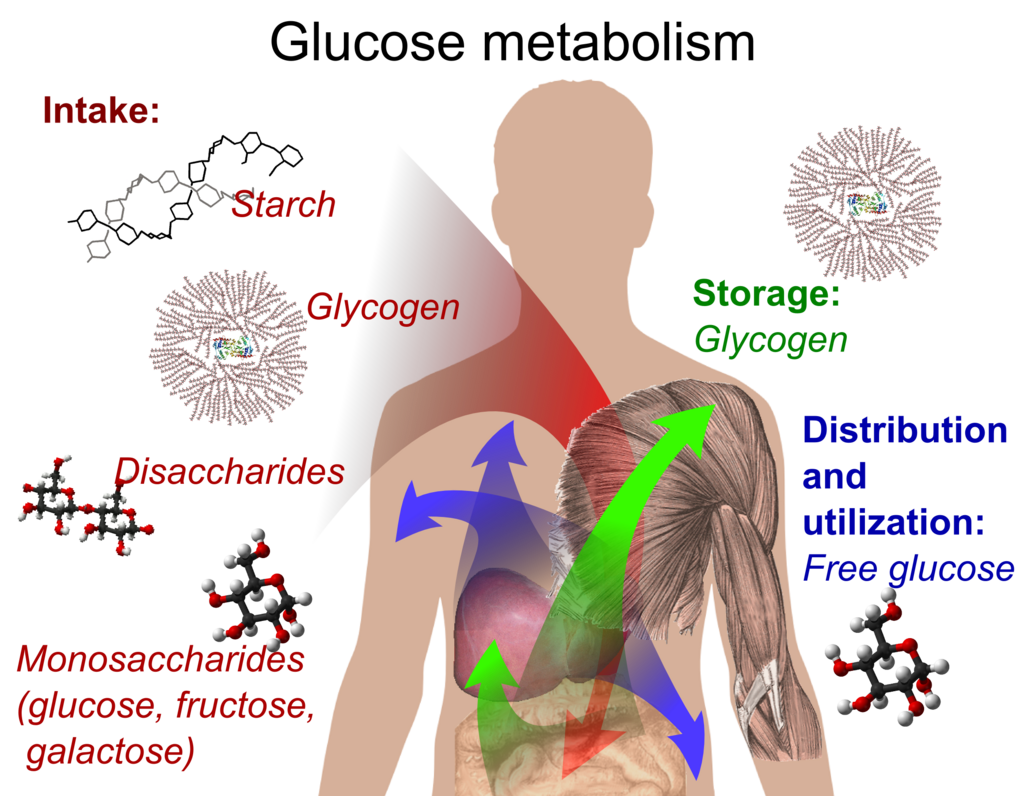
Everything you eat, from an apple to a slice of bread, is broken down into various nutrients. One of the most important is glucose, a simple sugar that serves as the main source of energy for your cells. Think of glucose as the gasoline for your body's engine. It powers everything from your brain cells to your muscle fibers.
But for your cells to actually use this fuel, it needs a way to get out of your bloodstream and inside. That's where a crucial hormone comes into play.
The hormone is called insulin. It's produced by specialized cells called beta cells, which are located in your pancreas, a small organ behind your stomach. Insulin acts like a key. After you eat, glucose levels in your blood rise. This signals your pancreas to release insulin into the bloodstream. Insulin then travels to your cells and unlocks them, allowing glucose to enter and be used for immediate energy.
Insulin, a hormone produced by the pancreas, is critical in facilitating glucose uptake into cells, providing energy for bodily functions and activities.
This process keeps your blood sugar levels in a stable, healthy range. When the system works correctly, it's a beautifully efficient cycle. You eat, blood sugar rises, insulin is released, cells get their fuel, and blood sugar returns to normal.
When the Lock Gets Jammed
Sometimes, however, the locks on the cells start to get rusty. They don't respond to the insulin key as easily as they used to. This condition is called insulin resistance. The cells are resisting the signal to open up and take in glucose.
Imagine someone knocking on a door. At first, a gentle knock is all it takes. But if the person inside starts ignoring the knock, you have to knock louder and louder to get their attention. Your pancreas does the same thing. It senses that the cells aren't responding, so it pumps out more and more insulin to try to force the message through.
Insulin Resistance
noun
A condition in which cells in your muscles, fat, and liver don't respond well to insulin and can't easily take up glucose from your blood.
For a while, this can work. The extra insulin manages to keep blood sugar levels under control. But as the resistance gets worse, two problems emerge. First, the pancreas can get overworked and start to wear out. Second, even with all the extra insulin, it can no longer keep up. Glucose gets stuck in the bloodstream, leading to high blood sugar levels, or hyperglycemia.
Hyperglycemia
noun
A technical term for high blood sugar (blood glucose). It occurs when the body has too little insulin or when the body can't use insulin properly.
The Overflowing Gas Tank
So what does the body do with all this extra glucose floating around in the blood? It has to store it somewhere. Your body has a couple of short-term storage tanks for glucose: the liver and the muscles. It packages the glucose into a molecule called glycogen for easy access later.
But these tanks have a limited capacity. Think of them like the gas tank in your car. Once the tank is full, you can't force any more in. When the liver and muscles are full of glycogen, the body needs a long-term storage solution for the overflow. That solution is fat.
The liver converts the excess glucose into fat, which is then stored in fat cells throughout your body. This is a normal survival mechanism, but when it happens consistently due to insulin resistance, it leads to weight gain and further worsens the resistance. It's a vicious cycle.
When insulin resistance and high blood sugar persist over time, the pancreas can no longer produce enough insulin to overcome the cells' resistance. At this point, a person may be diagnosed with Type 2 diabetes. This is why understanding and addressing insulin resistance is the key to managing and even preventing the progression to full-blown diabetes.
What is the primary role of insulin in the body?
The condition where cells become less responsive to insulin's signal is called:
This foundational knowledge of how insulin works is the first step. By understanding the problem, you can start to see how changes to diet and lifestyle can help your body become more sensitive to insulin again.