Reverse Engineering Food Recipes
Understanding Nutrition Labels
The Recipe on the Box
Every packaged food comes with a built-in cheat sheet: the Nutrition Facts label. It’s a standardized panel that tells you exactly what’s inside, breaking down the food into its core components. Think of it as a reverse blueprint for a recipe. Before you can figure out how to make something, you need to know what it's made of. This label is your starting point.
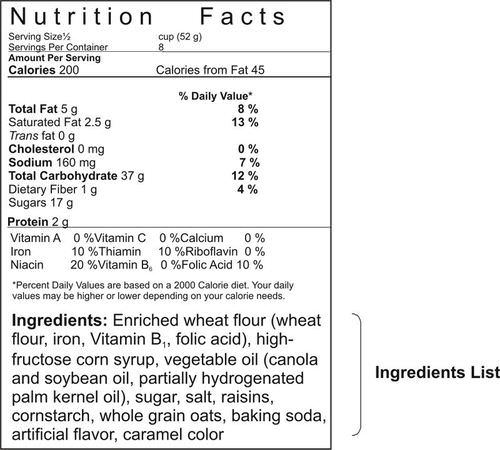
At first, the label might look like a confusing block of numbers and percentages. But once you know how to read it, it becomes a powerful tool. Let's break it down, section by section.
Start with Serving Size
The very first place to look on any nutrition label is the serving size. All the numbers listed below it, from calories to protein, are based on that specific amount of food. This is the single most common point of confusion.
A package might seem like it’s for one person, but the label could show it contains two, three, or even more servings. If you eat the whole package, you need to multiply all the nutrition values by the number of servings listed at the top.
For example, if a serving is 1 cup and the package contains 2.5 servings, eating the whole thing means you're consuming 2.5 times the calories, fat, and sugar listed on the panel.
Nutrients and Daily Values
Below the serving information, you’ll find the core nutritional data. This section starts with calories, a measure of the energy you get from a serving of the food.
Next are the macronutrients: fats, carbohydrates, and protein. The label breaks these down further. You'll see totals for fat, along with specifics for saturated and trans fats. Carbohydrates are separated into dietary fiber and total sugars, with a crucial line for added sugars—those that aren't naturally occurring in the ingredients.
To the right of these nutrients, you'll see a column for % Daily Value (%DV). This tells you how much a nutrient in one serving contributes to a total daily diet of 2,000 calories. It's a simple guide to see if a food is high or low in a certain nutrient.
A handy rule of thumb is the 5/20 rule: 5% DV or less of a nutrient per serving is considered low, while 20% DV or more is considered high.
| % Daily Value | Meaning |
|---|---|
| 5% or less | Low in nutrient |
| 20% or more | High in nutrient |
This rule is great for getting more of what you want (like fiber and vitamins) and less of what you might want to limit (like saturated fat and sodium).
The Ingredient List
Finally, at the bottom of the label, you'll find the ingredient list. This is perhaps the most straightforward part of the label, but it has one key rule: ingredients are listed in descending order by weight.
The first ingredient is the most prominent one in the food. The last ingredient is the least. If you see sugar, salt, or oil listed as one of the first few ingredients, you know the product contains a significant amount of it. This list is invaluable for understanding the primary components you'd need to reconstruct the food.
Ready to check your understanding?
If a nutrition label states a serving size is 1 cup and there are 3 servings per container, how should you calculate the total calories for the entire package?
The % Daily Value (%DV) helps you understand how a nutrient in one serving of food contributes to a total daily diet. This percentage is based on a daily diet of how many calories?
By combining information from the serving size, nutrient breakdown, and ingredient list, you can get a remarkably clear picture of any packaged food.