Reverse Engineering Closed Systems
Introduction to Reverse Engineering
Starting from the End
Imagine you have a complex gadget, but no instruction manual. You want to understand how it works, what each part does, and why it was built that way. What do you do? You might carefully take it apart, piece by piece, studying each component and how it connects to the others. You’re working backward from the finished product to uncover its design secrets. In a nutshell, that's reverse engineering.
Reverse engineering
noun
The process of analyzing a device, system, or object to understand its design, architecture, or functionality, often to replicate it or create a compatible product.
The goal isn't to steal a design, but to learn from it. Engineers and developers use this process for many reasons: to make a new product that works with an existing one, to find security flaws in a system, or simply to learn how something was made. It's a form of analysis that starts with the answer and works back to the question.
A Look Back
Reverse engineering isn't a new idea. It has been a crucial practice in industry and warfare for centuries. During World War II, both Allied and Axis powers scrambled to analyze captured enemy equipment. By deconstructing a new tank or airplane, they could understand its technological advantages and develop countermeasures or even incorporate similar designs into their own machinery.
In the world of computing, one of the most famous early examples involves the IBM PC. When IBM released its personal computer in 1981, its success created a huge market for compatible software. Other companies wanted to create computers that could run this same software, but to do so, they needed a compatible BIOS (Basic Input/Output System) without illegally copying IBM's code.
Companies like Compaq and Phoenix Technologies famously used a "clean room" technique. One team of engineers would study IBM's BIOS and write detailed specifications of what it did, without using any of the original code. A second, separate team, which never saw IBM's code, would then use those specifications to write a brand new BIOS from scratch. This allowed them to create a legally distinct, yet functionally identical, product.
This method of creating a compatible product by understanding functionality—not by copying code—is a cornerstone of reverse engineering in software.
Where It's Used Today
Today, reverse engineering is a standard practice in many fields. It’s a versatile skill used for everything from cybersecurity to product design. The core principle remains the same: deconstruct and analyze.
| Field | Common Applications |
|---|---|
| Software | Analyzing malware to create antivirus tools, checking for security vulnerabilities, developing software that interoperates with proprietary systems. |
| Hardware | Studying computer chips and electronic components to understand their function, creating compatible or improved hardware, analyzing product failures. |
| Automotive | Competitors disassemble vehicles to study manufacturing techniques, material choices, and design innovations. |
| Chemicals | Deformulating a product (like a perfume or industrial solvent) to determine its chemical composition. |
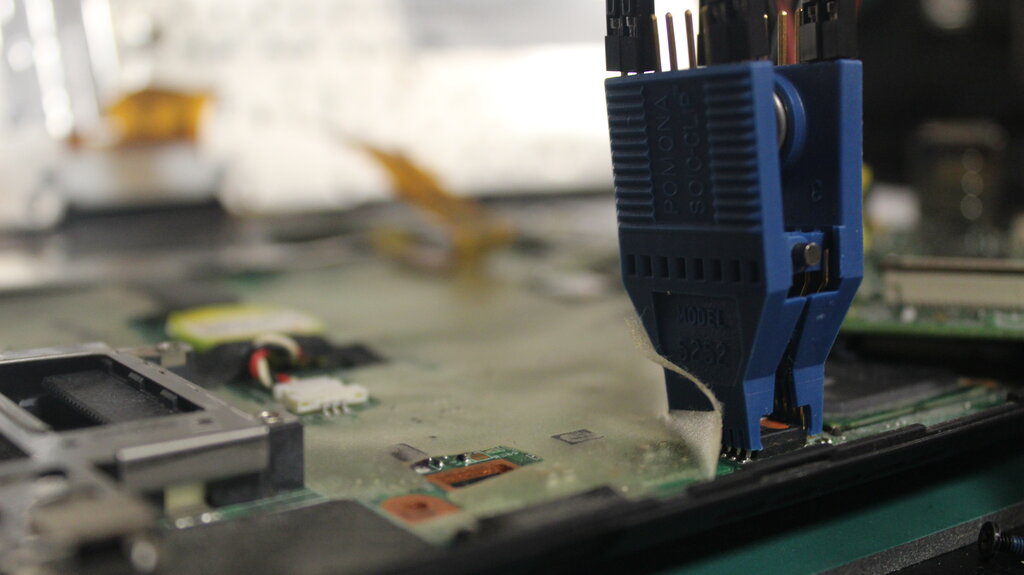
In hardware, the process can be incredibly complex, involving examining silicon chips layer by layer. This helps companies understand a competitor's manufacturing process or design a chip that can compete on performance. It's a key part of the constant innovation cycle in the semiconductor industry.
Similarly, in cybersecurity, analysts reverse engineer malicious software (malware) to understand how it infects systems, communicates with its creators, and what damage it's designed to cause. This knowledge is essential for developing security patches, removal tools, and protections against future attacks. Without reverse engineering, we'd be flying blind against digital threats.
From a vintage car to a modern video game console, the principles of reverse engineering provide a powerful way to uncover the secrets hidden inside.
What is the primary goal of reverse engineering?
The "clean room" technique was famously used to create a legally distinct, yet functionally identical, BIOS for which computer?