Revenue Essentials
Introduction to Revenue
What Is Revenue?
Revenue is the total amount of money a business earns from selling its goods or services. Think of it as the starting point for a company's finances. If you run a coffee shop, your revenue is all the money you collect from customers for lattes, muffins, and bags of beans. It's the gross income from your main business operations.
Revenue
noun
The total amount of income generated by a company from its primary business activities, before any expenses are subtracted.
In financial reports like the income statement, revenue is always listed first. Because of its position at the very top of the document, it's often called the "top line." A growing top line is usually a sign that a business is expanding its sales and reaching more customers.
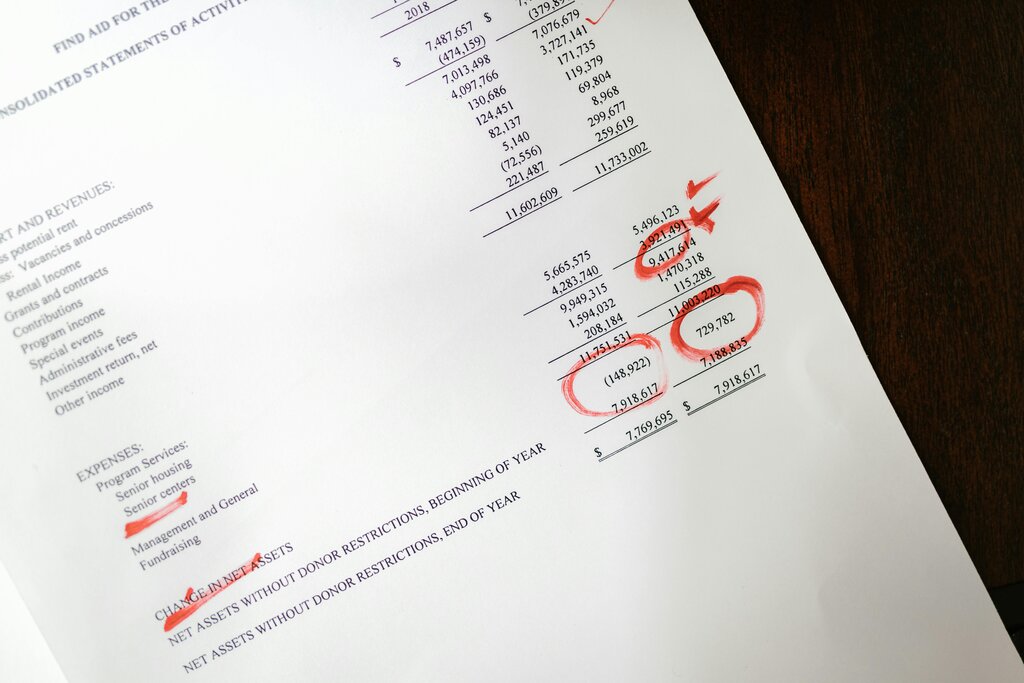
Revenue vs. Profit
It's easy to confuse revenue with profit, but they represent two very different things. Revenue is the total amount of money coming in the door. Profit is what's left over after you've paid all your bills.
Let's go back to the coffee shop. Imagine you earn $50,000 in revenue in one month. That sounds great, but it's not the whole story. You also have expenses: rent for the shop, salaries for your baristas, the cost of coffee beans and milk, electricity, and marketing. These are the costs of doing business.
To find your profit, you subtract your total expenses from your total revenue. If your expenses for the month were $40,000, your profit would be $10,000.
Every income statement, no matter how complex, follows a very simple formula: Revenue – Expenses = Profit
A company can have massive revenues but still lose money if its expenses are even higher. That’s why looking at both revenue and profit is essential to understand a business's financial health. Profit is often called the "bottom line" because it's the last number at the bottom of the income statement.
Why Revenue Matters
Revenue is one of the most important numbers for any business. It's a direct measure of how well a company is selling its products or services. A consistent increase in revenue over time suggests that the business is growing and healthy.
Analysts and investors pay close attention to revenue. They want to see if a company can maintain or accelerate its sales growth. A sudden drop in revenue can be an early warning sign of problems, while steady growth can attract investment and signal a strong position in the market. It's the first number people look at to get a quick sense of a company's scale and trajectory.
Revenue shows a company's ability to generate sales. Profit shows its ability to manage expenses and operate efficiently.
Now that you understand these fundamental concepts, let's review.
Ready to test your knowledge?
Which of the following best defines a company's revenue?
A bakery generates 20,000 on ingredients, 10,000 on rent and utilities. What is the bakery's profit for the month?
Understanding revenue is the first step in analyzing any business. It tells you how much money is coming in before anything else is taken out.