Retro Decoration Styles
Introduction to Retro Interior Design
What is Retro Design?
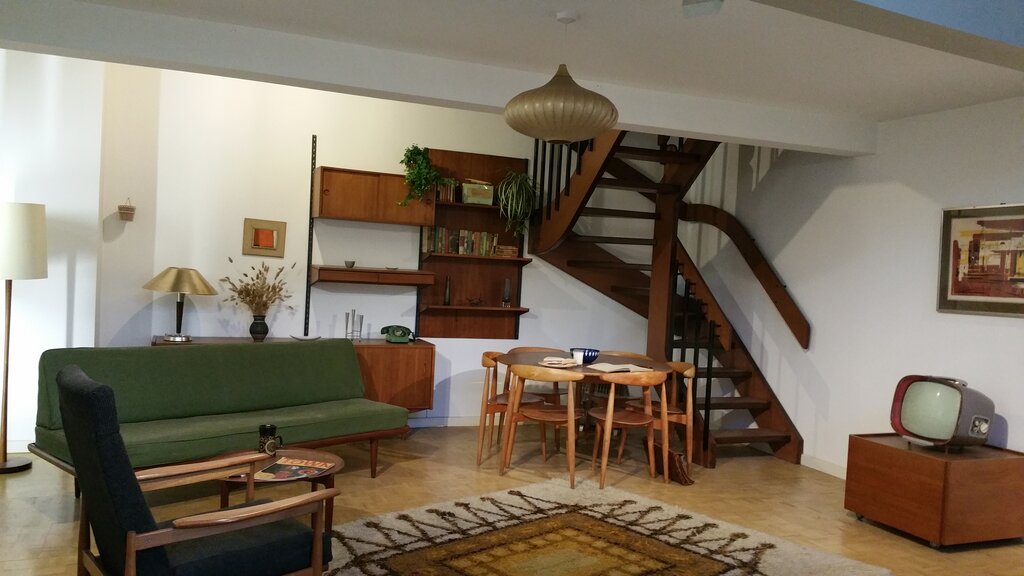
Retro interior design is all about looking back to move forward. It’s a style that borrows from the past, specifically from the 1940s through the 1970s. Think of the bold colors of the 70s, the clean lines of mid-century modern furniture from the 50s and 60s, and the cozy patterns of the 40s.
But it's not about creating a time capsule. The goal isn't to make your living room look exactly like a museum exhibit. Instead, retro design is about taking inspiration from these past decades and blending it with modern life. It’s about mixing nostalgic pieces with contemporary items to create a space that feels both fresh and familiar.
retro
adjective
Imitative of a style, fashion, or design from the recent past.
This approach allows for a lot of personality. You can pick and choose elements you love, like a single statement armchair or a vintage-inspired color palette, without committing to a full historical reenactment. It's a celebration of past trends, seen through a modern lens.
The Feeling of Nostalgia
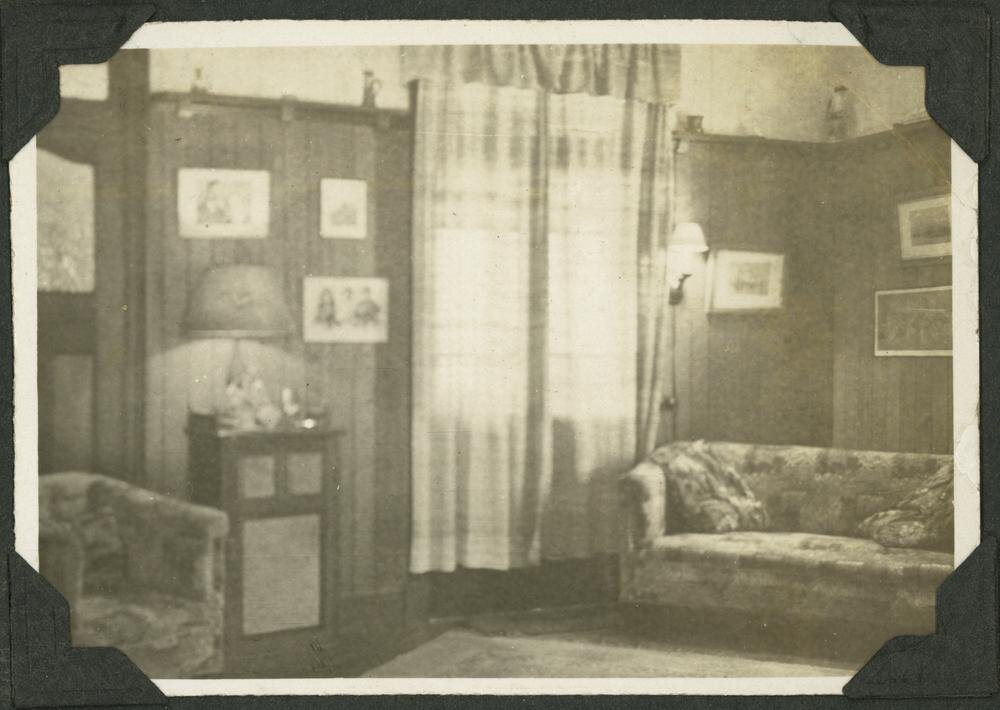
Why do these styles from half a century ago still resonate with us? A big part of the appeal is emotional. Retro aesthetics tap into a powerful sense of nostalgia, a warm feeling for the past. These designs can remind us of our childhood homes, our grandparents' living rooms, or even iconic scenes from old movies and TV shows.
The familiar shapes, textures, and colors can feel comforting and secure. In a fast-paced, constantly changing world, having a home filled with elements that feel timeless and grounded can be incredibly calming. It's a way of connecting to a personal or collective history, making a space feel more like a home.
Retro design isn't just about looks; it's about the comfort of the familiar and the stories objects tell.
Why Is Retro Back?
Retro design has seen a major resurgence in recent years, and for good reason. One driving force is the desire for individuality. In a world of mass-produced, cookie-cutter furniture, vintage and retro-inspired pieces offer a chance to create a unique space with character and a story.
There’s also a growing appreciation for the quality and craftsmanship of older items. Many pieces from the mid-20th century were built to last, using solid wood and durable materials. Choosing vintage is not only a nod to good design but often a sustainable choice, giving old furniture a new life.
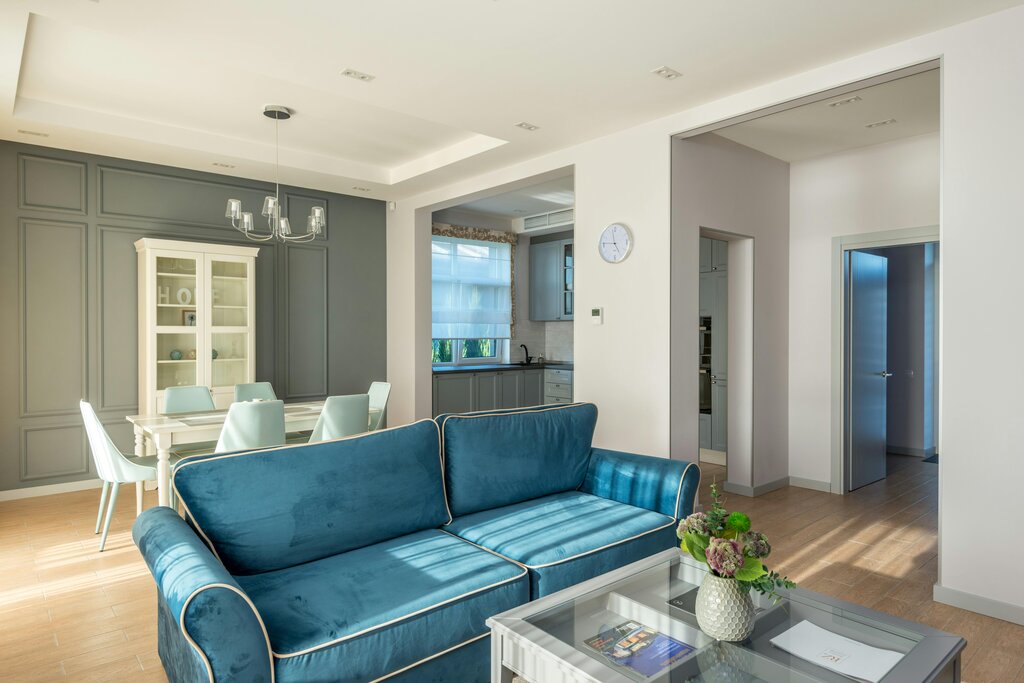
In 2025, interior design is all about harmonizing eras—creating spaces that feel both current and storied, fresh yet familiar.
Ultimately, the retro revival is about connection. It's a way to connect with history, with stories, and with styles that have stood the test of time. By blending these older elements with our modern lives, we create interiors that are not just stylish, but also deeply personal and meaningful.
Now that you understand the what and why of retro design, let's test your knowledge.
What is the primary goal of retro interior design?
Retro interior design primarily draws inspiration from which time period?
This introduction lays the groundwork for exploring specific retro styles in the coming sections. By understanding its core ideas, you'll be ready to dive into the unique characteristics of each era.