Retirement Savings for Young Adults
Retirement Account Basics
Your Future Paycheck
Think of a retirement account as a special savings plan for your future self. It's a place to grow money you'll use when you're no longer working. The goal is to build a nest egg that can support you decades from now. For most people starting out, this means getting familiar with two main types of accounts: the 401(k) and the IRA.
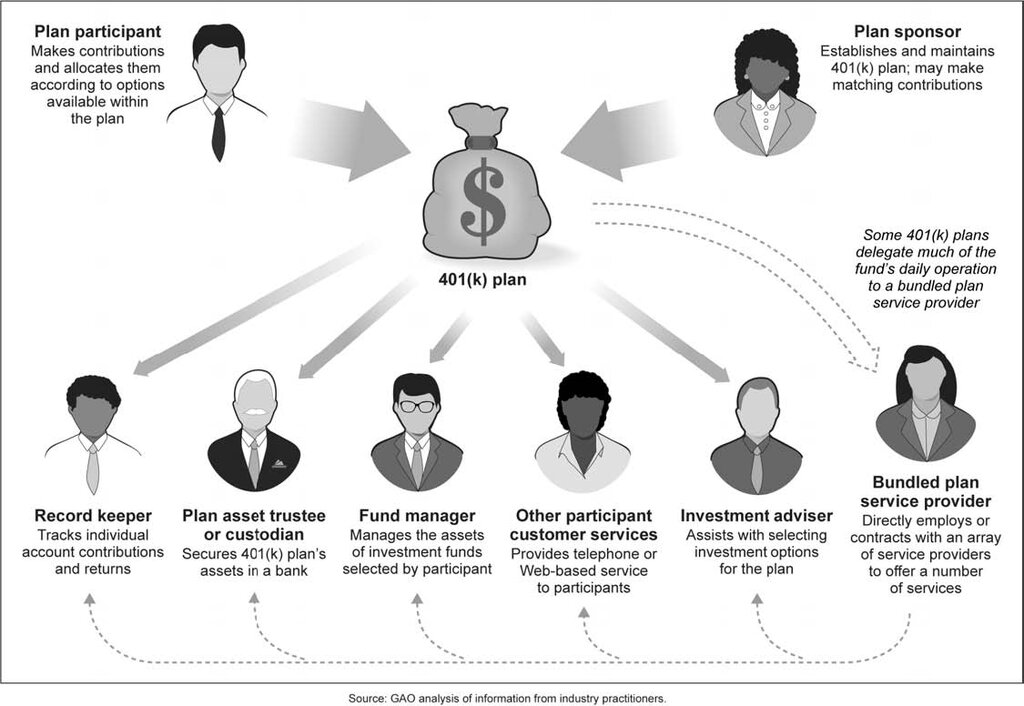
A 401(k) is a retirement plan offered by an employer. If your company has one, you can choose to have a portion of each paycheck automatically deposited into this account. Many employers will even match your contributions up to a certain percentage. This is essentially free money, and it’s a powerful perk you should always take advantage of if you can.
An Individual Retirement Account (IRA) is a plan you open on your own, separate from any employer. This gives you more control and is a great option if your job doesn't offer a 401(k), or if you want to save more than your employer's plan allows. You can open an IRA at most banks or brokerage firms.
The Tax Advantage
The government wants to encourage people to save for retirement, so it offers significant tax breaks for using these accounts. This is what makes them so much more powerful than a regular savings account. Your money can grow faster because it's shielded from taxes year after year.
These tax benefits generally come in two flavors: tax-deferred or tax-free.
With tax-deferred accounts (like a Traditional 401(k) or Traditional IRA), you contribute money before taxes are taken out. This lowers your taxable income for the year, so you pay less in taxes today. The money grows without being taxed, but you'll pay income tax on your withdrawals when you retire.
With tax-free accounts (like a Roth 401(k) or Roth IRA), you contribute money that's already been taxed. You don't get a tax break now, but your investments grow completely tax-free. When you withdraw the money in retirement, you won't owe any taxes on it at all.
Some retirement accounts, such as IRAs and 401(k) plans, offer tax advantages to help your money grow faster.
Your Most Powerful Tool: Time
When you're young, the single most valuable asset you have is time. Even small amounts of money saved in your 20s can grow into fortunes thanks to a simple but powerful force: compound interest.
Compound Interest
noun
Interest calculated on the initial principal, which also includes all of the accumulated interest from previous periods. It is essentially earning interest on your interest.
Think of it like a snowball rolling down a hill. It starts small, but as it rolls, it picks up more snow, getting bigger and bigger at an ever-increasing rate. Your money works the same way. The earnings your investments generate are reinvested, and then those earnings start generating their own earnings. Over decades, this effect can be massive.