Retirement Portfolio Power
Investment Basics
Putting Your Money to Work
Think of investing as giving your money a job. Instead of sitting in a savings account, where it earns very little, your money goes to work for you. The goal is for it to grow over time, creating more money.
Saving is about setting money aside for short-term goals, like a vacation or an emergency. It's safe and easily accessible. Investing, on the other hand, is a long-term strategy. You're buying assets — things you believe will increase in value — to build wealth for goals far in the future, like retirement.
investment
noun
An asset or item acquired with the goal of generating income or appreciation.
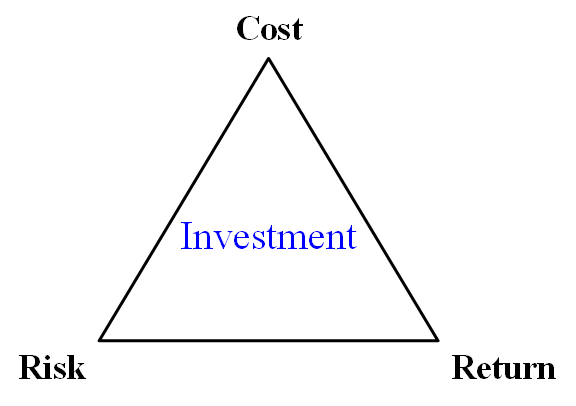
Every investment involves a balance of risk and potential return. Generally, assets with the potential for higher returns also come with higher risk. The key is to find a balance that you're comfortable with for your long-term goals.
The Power of Time
So why is investing so critical for retirement? Two words: compound growth. When you invest, you don't just earn returns on your initial money. You earn returns on your returns. It's a snowball effect. Over decades, this process can turn modest savings into a substantial nest egg.
Simply saving money often isn't enough. Inflation, the rate at which the cost of living increases, can eat away at the purchasing power of your cash. Investing gives your money the potential to grow faster than inflation, ensuring you can afford the lifestyle you want in retirement.
Your Investment Toolkit
When you decide to invest, you're not just throwing money into 'the market.' You're choosing specific investment vehicles. Think of these as the tools in your financial toolkit. Each one works differently and is suited for different purposes. Let's look at the most common ones.
| Vehicle | What It Is | Best For |
|---|---|---|
| Stocks | A share of ownership in a single company. | Potential for high growth, but also higher risk. |
| Bonds | A loan you make to a government or company. They pay you back with interest. | Stability and predictable income. Generally lower risk than stocks. |
| Mutual Funds | A basket of many investments (stocks, bonds, etc.) managed by a professional. | Instant diversification. Good for those who want a hands-off approach. |
| ETFs | Similar to a mutual fund, but it trades like a stock on an exchange. | Low costs and diversification. Offers flexibility in trading. |
Buying a stock means you own a small piece of a company like Apple or Amazon. If the company does well, the value of your stock can go up. If it does poorly, it can go down.
A bond is simpler. You're essentially a lender. You give a company or government money, and they promise to pay you back over a set period, with interest. They are typically less risky than stocks.
Mutual funds and Exchange-Traded Funds (ETFs) are all about diversification. Instead of buying just one stock, you can buy a fund that holds hundreds or even thousands of different stocks and bonds. This spreads out your risk, so if one investment performs poorly, it doesn't sink your whole portfolio.
The main idea behind funds like mutual funds and ETFs is simple: don't put all your eggs in one basket.
Ready to check your understanding? This quiz covers the fundamental ideas we've just discussed.
What is the primary difference between saving and investing?
In the world of investing, what is the general relationship between risk and potential return?
Understanding these basic building blocks is the first step on your investment journey. With these concepts in hand, you're ready to learn how to put them together to build a portfolio that works for you.