Retirement Portfolio Construction
Investment Basics
What Is Investing?
Saving money is a great start, but it's only half the story. When you save, you put money aside, usually in a bank account. It's safe, but it doesn't grow much, if at all. In fact, due to inflation, the value of your saved cash can decrease over time.
Investing is different. It's the process of using your money to buy assets that you believe will increase in value over time. Think of it as putting your money to work. Instead of just sitting there, your money is actively participating in the economy, with the potential to generate more money for you.
asset
noun
A resource with economic value that an individual or company owns with the expectation that it will provide a future benefit.
The goal is to grow your wealth, allowing you to reach significant financial milestones, like buying a home, paying for education, or funding a comfortable retirement.
Set Your Financial Goals
Before you invest a single dollar, you need to know why you're investing. Your financial goals are your destination. Without them, you're just wandering. Are you saving for a down payment on a house in five years? Or are you investing for retirement in 30 years?
The answer changes everything. Your timeline, known as your time horizon, is one of the most important factors in your investment strategy. Short-term goals require a different approach than long-term ones.

For example, money you'll need soon should be kept in safer, more stable investments. You don't want to risk a big drop in value right before you need to cash out. For long-term goals like retirement, you can typically afford to take on more risk for the potential of higher growth, because you have time to recover from any market downturns.
Understand Your Risk Tolerance
Every investment carries some level of risk. Risk is the chance that your investment could lose value. Risk tolerance is about how much of a loss you can emotionally and financially handle in exchange for the possibility of greater returns.
It’s a fundamental trade-off: investments with higher potential returns usually come with higher risk. There is no such thing as a high-return, no-risk investment. Your job is to find a balance you're comfortable with.
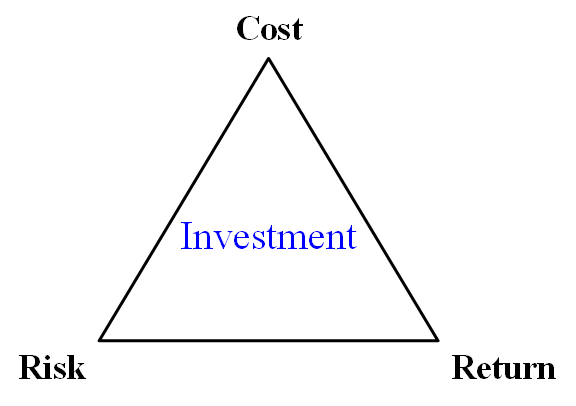
Your risk tolerance depends on several things, including your age, your financial stability, and your personality. A recent college graduate with a steady job can likely take on more risk than someone who is five years away from retirement and will rely on their investments for income.
Being honest about your comfort with risk is key. It prevents you from making panicked decisions, like selling everything during a market dip, which can be one of the biggest mistakes an investor can make.
The Main Asset Classes
Assets are typically grouped into categories called asset classes. Each has its own risk and return profile. The three main ones you should know are stocks, bonds, and cash equivalents.
Stocks: Ownership and Growth When you buy a stock, you're buying a small piece of ownership, or equity, in a public company. If the company does well, the value of your stock can go up. You make money when you sell it for a higher price than you paid. Stocks have historically offered the highest long-term returns, but they also come with the most volatility (price swings).
Bonds: Loaning for Income When you buy a bond, you're essentially lending money to a government or a corporation. In return, they promise to pay you back the full amount on a specific date, plus periodic interest payments along the way. Bonds are generally considered safer than stocks, but they typically offer lower returns.
Cash Equivalents: Stability and Liquidity This category includes things like high-yield savings accounts, money market funds, and short-term government debt. They are very low-risk and can be converted into cash quickly. The trade-off is that they offer the lowest returns, sometimes barely keeping up with inflation.
Most investment portfolios are built using a mix of these asset classes. Understanding their basic characteristics is the first step toward building a strategy that fits your goals and risk tolerance.
What is the primary difference between saving and investing?
Due to inflation, the purchasing power of money kept in a standard savings account with a very low interest rate can decrease over time.
These concepts form the foundation of investing. By defining your goals, understanding your comfort with risk, and learning the basic building blocks, you're ready to make informed decisions about your financial future.