Retirement Portfolio Construction
Investment Basics
What Is Investing?
Think of investing as putting your money to work. When you save, you tuck your money away in a safe place, like a bank account. When you invest, you buy something you believe will grow in value over time, creating more money for you in the future. The goal isn't just to store your money, but to make it grow faster than it would in a regular savings account.
This growth happens through a powerful process called compounding. When your investments earn a return, that return can then be reinvested to earn its own return. Over many years, this effect can be dramatic, turning a modest sum into a much larger one. It's like a snowball rolling downhill, picking up more snow and getting bigger and bigger as it goes.
Saving protects your money. Investing grows your money.
The difference this makes over a long period, like the decades you have before retirement, is huge. Simply saving won't be enough for most people to live comfortably in their later years, primarily because of inflation, which makes the cost of living go up over time. Investing is the tool you use to outpace inflation and build real wealth.
The Building Blocks
So, what do you actually buy when you invest? While there are many options, most retirement portfolios are built from a few basic ingredients. Understanding these is the first step to building a solid plan.
Stock
noun
A type of security that signifies ownership in a corporation and represents a claim on part of the corporation's assets and earnings.
Buying a stock, also called an equity, means you own a small piece of a company. If that company does well and makes a profit, the value of your piece can go up. Stocks offer the potential for high growth, but they also come with more risk because a company's fortunes can change.
Bond
noun
A fixed-income instrument that represents a loan made by an investor to a borrower (typically corporate or governmental).
When you buy a bond, you're essentially lending money to a company or a government. In return, they promise to pay you back the full amount on a specific date, plus regular interest payments along the way. Bonds are generally safer than stocks but usually offer lower returns.
Finally, there are cash equivalents. These are ultra-safe, short-term investments like money market funds or certificates of deposit (CDs). They earn a little more interest than a standard savings account. Their main purpose in a portfolio is stability and providing easy access to your money, not significant growth.
Risk and Return
Every investment carries some level of risk, which is the chance that you could lose money. At the same time, every investment has a potential return, which is the money you could make. These two concepts are always linked.
Generally, the higher the potential return, the higher the risk. Stocks have the potential to deliver big gains, but they can also drop in value quickly. Bonds are much safer, but their returns are modest. Cash equivalents are the safest of all, but they'll barely outpace inflation, if at all.
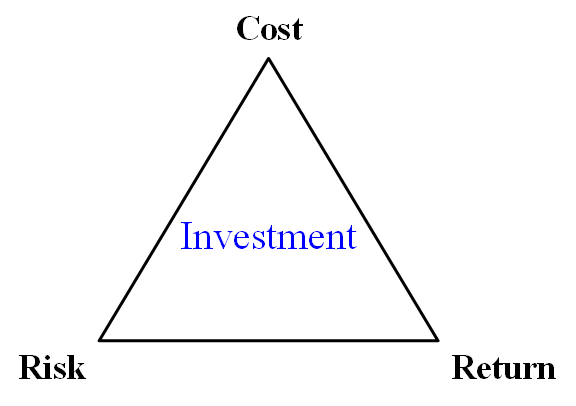
Think of it like choosing a mode of transportation. Walking is very safe (low risk), but it's slow (low return). A race car is very fast (high potential return), but it's also much more dangerous (high risk). A family sedan is somewhere in the middle. There's no single "best" option; it depends on your destination and how much risk you're comfortable with.
One of the keys to successful investing is learning how to balance your comfort level with risk against your time horizon.
For retirement, the key is to build a diversified portfolio, which means owning a mix of these different investment types. That way, you balance the growth potential of riskier assets with the stability of safer ones.
What is the primary goal of investing, as opposed to saving?
The idea that your investment returns begin to earn their own returns is known as what?
Understanding these core ideas is the foundation for making smart decisions about your financial future.