Retirement Portfolio Construction
Investment Basics
Don't Put All Your Eggs in One Basket
You’ve probably heard the saying, “Don’t put all your eggs in one basket.” It’s simple advice that’s surprisingly profound when it comes to investing. This is the core idea behind diversification.
Diversification means spreading your money across different investments instead of concentrating it in one place. If you put all your money into a single company’s stock and that company performs poorly, you could lose a lot. But if you spread that money across twenty different companies in various industries, a downturn in one is less likely to sink your entire portfolio. It’s a strategy to manage risk, not eliminate it.
Diversification is a cornerstone of investment risk management, embodying the timeless wisdom of “don’t put all your eggs in one basket”.
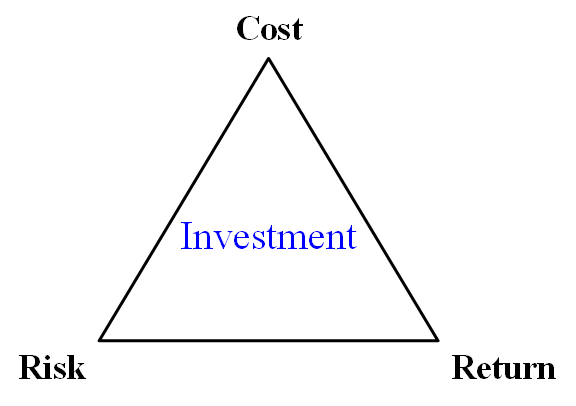
This leads to a fundamental concept in investing: the relationship between risk and return. Generally, investments with the potential for higher returns also come with higher risk. A safe investment, like a government bond, offers modest, predictable returns. A riskier investment, like a stock in a brand-new tech company, could multiply your money or lose it all.
Your job as an investor is to find a balance you’re comfortable with. It’s about building a portfolio that can grow over time without giving you sleepless nights. Understanding this trade-off is the first step toward making smart decisions for your retirement.
The Building Blocks of Your Portfolio
So, how do you diversify? You do it by mixing different types of investments, known as asset classes. Each class has its own risk and return characteristics. The four main building blocks for a retirement portfolio are stocks, bonds, real estate, and cash equivalents.
Stock
noun
A share of ownership in a company. When you own a stock, you own a small piece of that company.
Stocks, also called equities, represent ownership. They offer the highest potential for long-term growth. As the company succeeds, its stock value can increase, and it might pay out a portion of its profits to shareholders as dividends. However, this potential comes with volatility. Stock prices can swing up and down based on company performance, industry trends, and the overall economy.
Bond
noun
A loan made to an entity, like a government or corporation, that pays the investor interest over a set period.
Think of bonds as IOUs. When you buy a bond, you're lending money. In return, the issuer promises to pay you periodic interest and return your original investment (the principal) at a future date. Bonds are generally considered safer than stocks because they provide a fixed income stream. Government bonds are among the safest, while corporate bonds carry slightly more risk but typically offer higher interest.
Real Estate: This includes direct ownership of property (like a rental home) or investing in Real Estate Investment Trusts (REITs), which are companies that own and operate income-producing properties. Real estate can provide rental income and appreciate in value, but it can also be illiquid, meaning it’s not always easy to sell quickly.
Cash Equivalents: These are highly liquid, very safe investments that are as good as cash. Examples include high-yield savings accounts, money market funds, and short-term government bills. They offer low returns, often just enough to keep pace with inflation, but their main purpose is to preserve capital and provide stability to your portfolio.
What is the primary purpose of diversification in investing?
Which of the following asset classes generally offers the highest potential for long-term growth, but also comes with the most volatility?
By combining these different asset classes, you can build a portfolio that aligns with your retirement goals and your comfort level with risk. It's this strategic mix that forms the foundation of a solid investment plan.