Retirement Portfolio Construction
Investment Basics
The Golden Rule of Investing
Investing can feel like a complex puzzle, but its core principle is simple: don't put all your eggs in one basket. This single idea, known as diversification, is the foundation of smart, long-term investing, especially when planning for retirement.
Diversification is a cornerstone of investment risk management, embodying the timeless wisdom of “don’t put all your eggs in one basket”.
Imagine you own a small business that only sells umbrellas. On rainy days, business is great. But during a long, sunny spell, you're not making any money. Now, what if you also sold sunscreen? When umbrella sales are down, sunscreen sales are likely up. You've diversified. Your overall business is now more stable because you're not relying on a single source of income.
Investing works the same way. By spreading your money across different types of investments, you reduce the risk that a downturn in one area will sink your entire portfolio. If one investment performs poorly, others may do well, balancing things out.
Your Investment Building Blocks
To diversify, you need different types of investments, known as asset classes. Each has its own characteristics and behaves differently in various market conditions. Think of them as the different ingredients in a recipe. Let's look at the most common ones.
Stock
noun
A share of ownership in a public company. When you buy a stock, you're buying a small piece of that business.
Stocks offer the potential for high growth. As the company succeeds, the value of your share can increase significantly. However, they also come with higher risk. If the company performs poorly, the value of your stock can drop.
Bond
noun
A loan made to an entity (like a government or corporation) that agrees to pay you back with interest over a set period.
Bonds are generally safer than stocks. They provide a predictable stream of income through interest payments. Their price is more stable, but their potential for high returns is lower than stocks. They act as a stabilizing force in a portfolio.
Real Estate involves owning physical property, like a rental home or a stake in a commercial building. It can generate income through rent and increase in value over time. However, it can be illiquid, meaning it's not always easy to sell quickly.
Alternative Investments is a broad category for everything else. This includes things like commodities (gold, oil), private equity, or collectibles. These can provide further diversification because their performance often isn't tied to the stock or bond markets, but they can be more complex and riskier.
| Asset Class | Primary Goal | Typical Risk Level | Typical Return Potential |
|---|---|---|---|
| Stocks | Growth | High | High |
| Bonds | Income & Stability | Low | Low to Moderate |
| Real Estate | Income & Growth | Moderate | Moderate |
| Alternatives | Diversification | Varies | Varies |
The Risk and Return Trade-Off
There's a fundamental relationship in investing: to get higher potential returns, you generally have to accept higher risk. There's no such thing as a high-return, no-risk investment. If someone promises you one, run the other way.
Think about it. A stable government bond is very likely to pay you back, so it doesn't need to offer a high interest rate to attract lenders. A brand-new tech startup, on the other hand, is much riskier. To convince investors to take that chance, it must offer the potential for a much larger payoff.
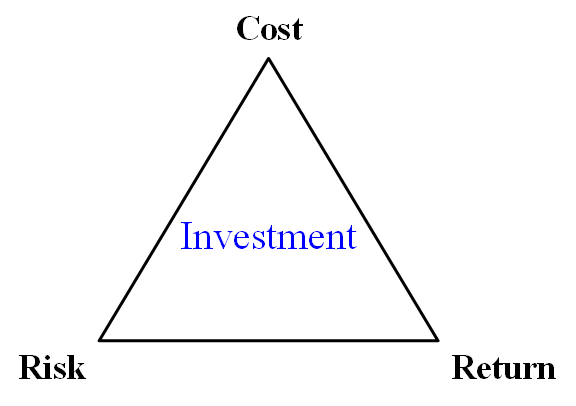
This trade-off is central to building a portfolio. Your goal is to find a mix of assets that provides the growth you need to meet your retirement goals while matching your personal comfort level with risk. Someone with 40 years until retirement can afford to take more risks than someone who plans to retire in five years.
Understanding these basic elements—diversification, asset classes, and the risk-return trade-off—is the first step toward building a solid retirement plan. With this knowledge, you can start making informed decisions that align with your long-term financial future.
What is the primary goal of diversification in an investment portfolio?
In investing, accepting higher risk is generally associated with the potential for higher returns.