Reticulocyte Maturation and Peptide Effects
Introduction to Erythropoiesis
The Birth of a Red Blood Cell
Deep inside your bones, in the spongy tissue called bone marrow, a remarkable process is always at work. It's called erythropoiesis, the creation of red blood cells. These cells are vital, acting as the body's delivery service for oxygen. Without a constant supply, our tissues and organs couldn't function.
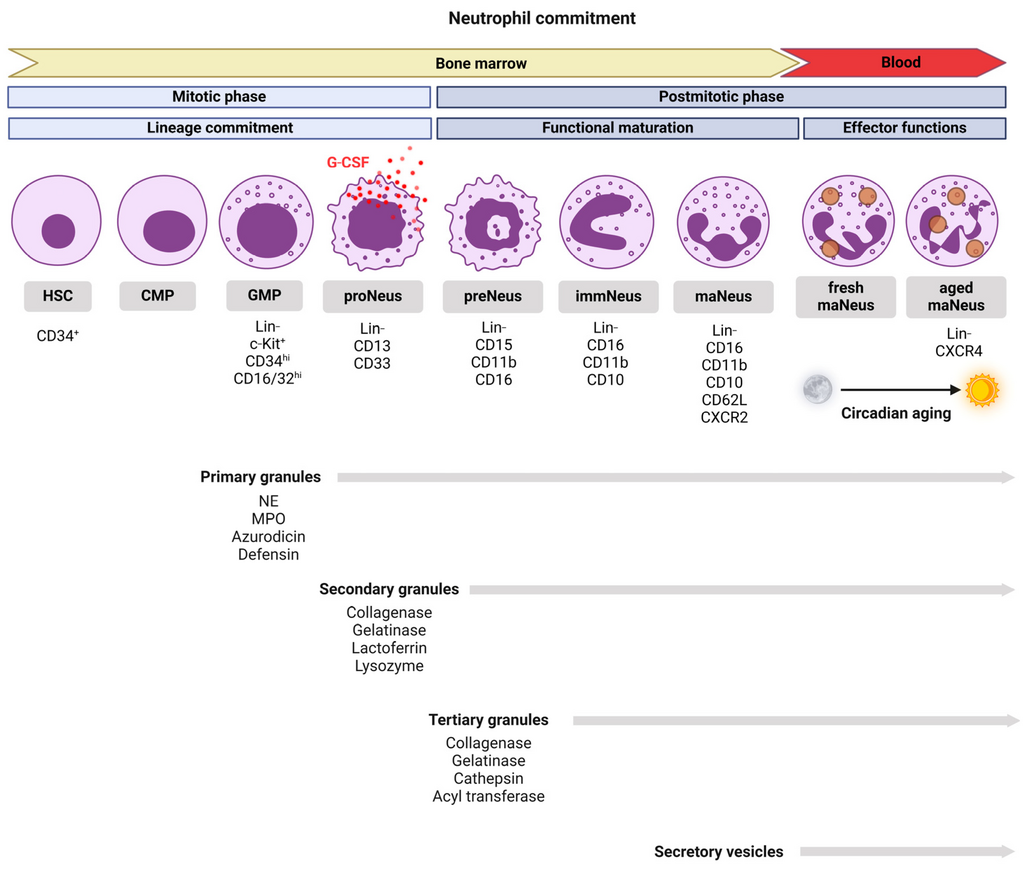
The journey begins with a special kind of cell: the hematopoietic stem cell (HSC). Think of these as the master cells of your blood. They are multipotent, meaning they have the potential to become any type of blood cell, from infection-fighting white blood cells to clot-forming platelets. When the body needs more red blood cells, a signal tells some of these stem cells to start down a specific path of development.
The Production Signal
The body doesn't just make red blood cells on a whim. The process is tightly controlled by a hormone called erythropoietin, or EPO. The kidneys are the primary sensors for oxygen levels in your blood. If they detect that oxygen levels are dropping—a condition known as hypoxia—they release EPO into the bloodstream.
EPO travels to the bone marrow and acts like a specific instruction, telling the hematopoietic stem cells to commit to becoming red blood cells. It also speeds up the maturation process of the developing cells. This ensures that when your body needs more oxygen-carrying capacity, it can ramp up production to meet the demand.
Stages of Transformation
Once a stem cell is committed, it goes through several distinct stages of differentiation, changing in size, color, and internal structure. Each stage brings it one step closer to being a mature, oxygen-carrying erythrocyte.
| Stage | Key Characteristics |
|---|---|
| Proerythroblast | The first committed cell. It's large with a prominent nucleus and begins synthesizing hemoglobin. |
| Basophilic Erythroblast | The cell's machinery for protein production is in high gear, making lots of ribosomes, which gives it a deep blue color when stained. |
| Polychromatic Erythroblast | Hemoglobin production increases. The mix of blue-staining ribosomes and red-staining hemoglobin gives the cell a grayish color. |
| Orthochromatic Erythroblast | Hemoglobin concentration is near its peak, making the cell appear mostly pink. In a crucial step, the nucleus is ejected from the cell. |
| Reticulocyte | The cell is now anucleated (without a nucleus) but still contains some residual ribosomes. It leaves the bone marrow and enters the bloodstream. |
| Erythrocyte | The mature red blood cell. All ribosomes are gone. It's now a flexible, biconcave disc packed with hemoglobin, perfectly designed for its job. |
This entire process, from stem cell to mature erythrocyte, takes about a week. The most dramatic event is the expulsion of the nucleus from the orthochromatic erythroblast. This makes more room for hemoglobin, the protein that binds to oxygen. It also creates the characteristic biconcave shape of the red blood cell, which increases the surface area for gas exchange and allows the cell to squeeze through the narrowest capillaries.
By understanding this production line, we can appreciate the complexity behind maintaining the right balance of red blood cells. This balance is critical for ensuring that every part of your body gets the oxygen it needs to thrive.