Rethinking Architectural Design Beyond Regulations
Introduction to User-Centric Architectural Design
Buildings for People
Ever been in a stunningly beautiful building that was somehow uncomfortable? Maybe the chairs were stylish but impossible to sit in, or the windows offered a great view but baked the room in the afternoon sun. When we design buildings, it’s easy to focus on how they look or how cheaply they can be built. But a building is more than a structure; it's a place where people live, work, and connect.
User-centric architectural design flips the script. Instead of starting with a grand visual concept or a strict budget, it starts with a simple question: Who is going to use this space, and what do they need to thrive in it?
This approach puts the experiences, behaviors, and preferences of future occupants at the very center of the design process. It’s about creating spaces that are not just functional, but also comfortable, intuitive, and genuinely enjoyable to be in.
By challenging the dominance of "iconic" but alienating designs, Alexander calls for a holistic, human-centered approach to architecture-one that prioritizes the well-being of individuals and communities, creating spaces that nurture a sense of place, belonging, and harmony with the world around them.
The Human-Centered Approach
User-centric design is part of a larger philosophy called human-centered design. It’s an approach that solves problems by deeply understanding the perspectives of the people involved. In architecture, this means moving beyond assumptions and gathering real insights about the users.
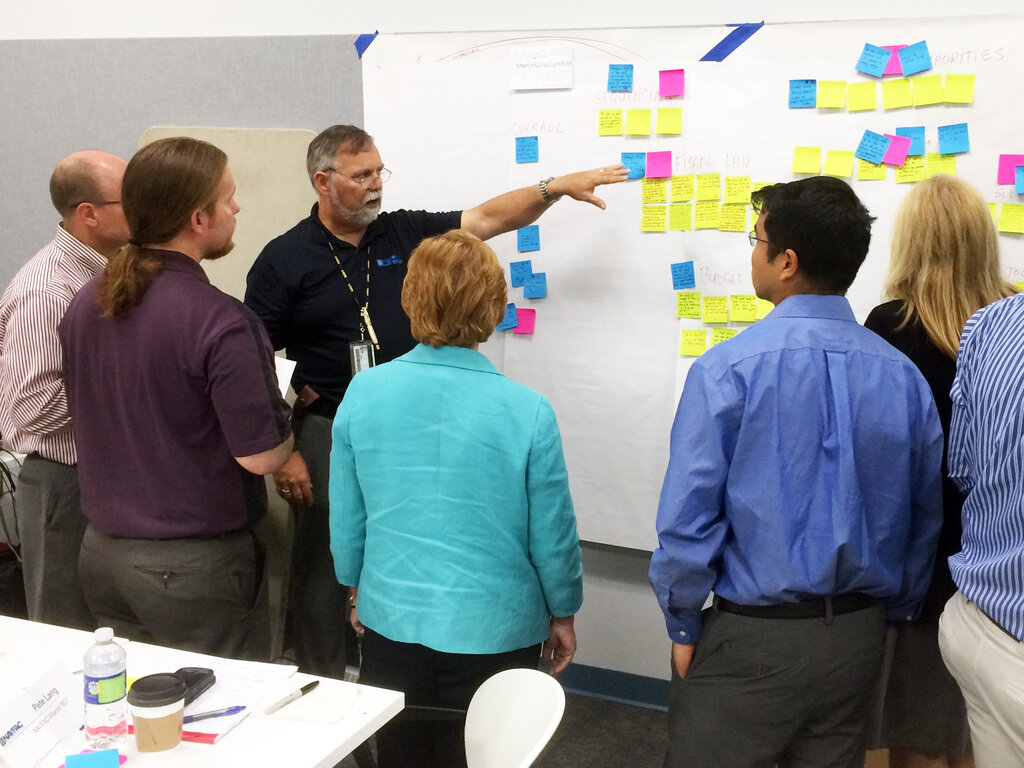
This process involves actively listening to people. It means architects might observe how students use a library, interview office workers about their workflow, or survey a community about what they want from a public park. The goal is to design a building that fits the occupants, not to force the occupants to fit the building.
More Than Just a Feeling
Creating a great user experience isn't just about making people happy. It has powerful, measurable benefits that affect a building's entire performance.
Thermal Performance: A comfortable user is an energy-efficient user. If an office has good natural light and occupants can control the temperature in their personal space, they are less likely to rely on energy-intensive overhead lighting and central HVAC systems. Designing for human comfort directly contributes to better environmental performance.
Economic Performance: Happy, comfortable people are more productive. In a commercial building, a user-centric design can lead to improved employee focus and satisfaction, which is a direct economic benefit. In residential buildings, spaces that people love to live in have higher property values and lower tenant turnover.
Social Performance: Architecture can either encourage or discourage human connection. A well-designed public square, a collaborative office layout, or a co-living space with inviting common areas can foster a strong sense of community. By thinking about how people will interact within a space, architects can build environments that strengthen social bonds.
By focusing on the human element, user-centric design creates buildings that are not only better to be in, but are also more efficient, valuable, and connected to the communities they serve.
Time to check your understanding of these core concepts.
What is the primary starting point for user-centric architectural design?
An architect designing a new office building provides individual temperature controls for workstations and maximizes the use of natural light. This approach primarily enhances the building's...
By starting with people, we lay the foundation for buildings that are more sustainable, valuable, and enjoyable for everyone.