Retail Media and Ad Ecosystem Mastery
Retail Media Fundamentals
What Is Retail Media?
At its core, retail media is advertising that happens within a retailer’s world. Think of a retailer's website, mobile app, or even physical stores as media platforms, much like a TV network or a social media site. Brands pay to place their products in front of customers who are already in a shopping mindset.
It’s the digital version of paying for premium shelf space or an end-cap display in a grocery store.
When you search for "coffee" on a grocery store's website and see a sponsored banner for a specific brand at the top of the results, that's retail media. When you're browsing an electronics retailer's app and get a recommendation for a particular brand of headphones, that's also retail media. It connects brands with shoppers at the most critical moment: the point of sale.
The Rise of Retail Media Networks
Retail media isn’t entirely new. For decades, brands have paid for placement in store circulars, in-store displays, and promotional events. But the digital age, especially the boom in e-commerce, transformed it into a powerhouse.
Retailers like Amazon, Walmart, and Target realized they were sitting on a gold mine: vast amounts of first-party data. They know what customers search for, what they browse, and what they ultimately buy. This data is incredibly valuable because it reveals actual purchase behavior, not just browsing intent.
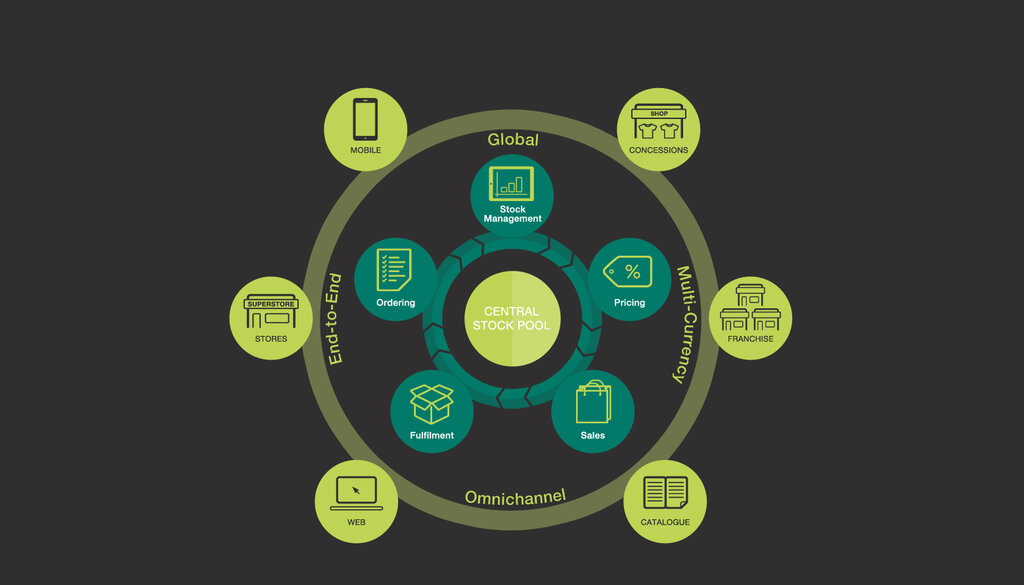
As the advertising industry moves away from third-party cookies due to privacy concerns, the value of this first-party data has skyrocketed. Brands need effective ways to reach their target audience, and retailers offer a direct, privacy-compliant channel. By creating their own advertising platforms, known as Retail Media Networks (RMNs), retailers have opened up a significant new revenue stream by selling ad space directly to brands.
The Key Players
The retail media ecosystem is a three-sided marketplace, with each player having a distinct role and motivation.
- Retailers: They are the publishers. They own the ad space on their digital and physical properties and have direct access to valuable shopper data. They build and operate the RMNs.
- Brands: They are the advertisers. They want to increase sales and brand awareness by reaching relevant customers at the point of purchase.
- Consumers: They are the audience. They receive more relevant ads and product recommendations that can enhance their shopping experience.
A Win-Win-Win Situation
When done well, retail media offers compelling benefits to all parties involved.
| Player | Benefit |
|---|---|
| Retailers | Creates a new, high-margin revenue stream. Deepens relationships with the brands they carry. |
| Brands | Access to high-intent shoppers at the point of sale. Measurable return on ad spend (ROAS) since ad views can be tied directly to purchases. |
| Consumers | A more personalized shopping experience with relevant ads and product discoveries, rather than disruptive, irrelevant advertising. |
The ability to "close the loop" is what makes retail media so powerful for brands. They can see a direct line from their advertising dollars to actual sales, a level of clarity that is often difficult to achieve with other forms of advertising. For consumers, it can mean finding a new brand of gluten-free pasta or the perfect pair of running shoes just when they need them.
What is the core concept of retail media?
What is the primary driver behind the recent surge in the importance of digital retail media?
This foundation sets the stage for a rapidly evolving part of the digital advertising landscape. By understanding these core concepts, you can better appreciate the strategies and technologies that power modern retail.