Retail Inventory Organization
Inventory Management Basics
What is Inventory Management?
Think about your kitchen pantry. You need enough flour to bake cookies on a whim, but not so much that it goes bad. You need to know when you're running low on olive oil before you start cooking dinner. That's inventory management in a nutshell: knowing what you have, where it is, and how much you need.
For a business, inventory is all the goods and materials it holds for the ultimate purpose of resale. Managing this inventory isn't just about counting boxes; it's a crucial process that ensures a business can meet customer demand without wasting money. Get it right, and you have happy customers and a healthy cash flow. Get it wrong, and you face empty shelves, lost sales, and capital tied up in products nobody wants.
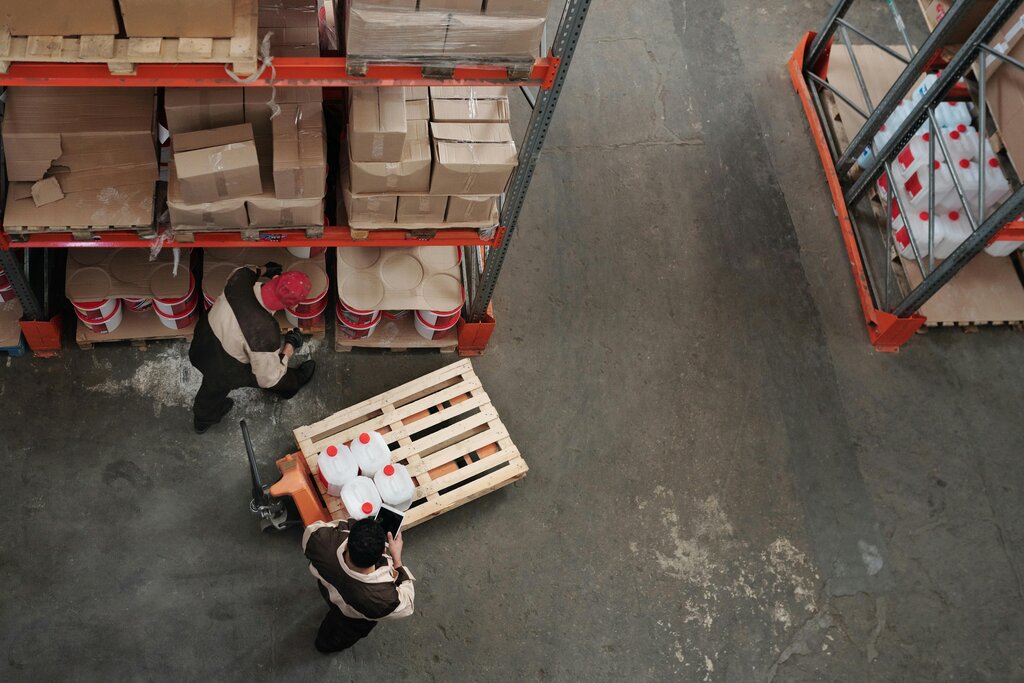
The core goal is simple: have the right products in the right place at the right time.
The Three Faces of Inventory
Inventory isn't just one thing. It exists in different stages, especially in businesses that make their own products. Let's imagine a small furniture workshop. Its inventory falls into three main categories.
1. Raw Materials These are the basic ingredients or components used to create products. For our furniture workshop, this would be lumber, screws, paint, and varnish. They are the starting point of the production process.
2. Work-in-Progress (WIP) This category includes items that are partially completed. They are no longer raw materials but aren't yet ready to be sold. A chair that has been assembled but not yet painted or varnished is WIP inventory.
3. Finished Goods These are the final products, ready to be sold to customers. A fully assembled, painted, and inspected chair sitting in the showroom is a finished good. For a typical retail store that doesn't produce its own items, nearly all of its inventory consists of finished goods.
The Balancing Act
Good inventory management is a constant balancing act with three main objectives.
The first goal is to maintain optimal stock levels. This is the Goldilocks principle of inventory: not too much, not too little. Holding too much stock ties up money and storage space, and risks items becoming obsolete or spoiling. Holding too little leads to stockouts, disappointing customers who may take their business elsewhere.
The second objective is cost minimization. There are several costs associated with inventory. The most obvious is the purchase cost of the goods themselves. But there are also holding costs, which include storage, insurance, and security. By optimizing how much inventory you hold and when you order it, you can keep these costs to a minimum.
If your business sells products, inventory management will be key to your financial success.
Finally, the most important objective is ensuring product availability. The ultimate purpose of holding inventory is to meet customer demand. Effective management ensures that when a customer wants to buy a product, it's available for them. This builds customer loyalty and drives sales.
Mastering these basics is the foundation for running an efficient and profitable retail operation.