Restaurant Software Sales Mastery
Restaurant Industry Overview
The Restaurant Landscape
The term "restaurant" covers a vast range of businesses, from a small stand selling tacos to a multi-story establishment with a world-renowned chef. To make sense of it all, the industry is typically broken down into a few main categories. The three most common are quick-service, casual dining, and fine dining. Each operates on a different model, serves a distinct customer base, and has its own unique challenges and opportunities.
| Category | Service Style | Price Point | Atmosphere |
|---|---|---|---|
| Quick-Service | Counter service, drive-thru | $ | Informal, fast-paced |
| Casual Dining | Table service | $$ | Relaxed, comfortable |
| Fine Dining | Full table service, high attention | $$$ | Formal, upscale |
Let's look closer at each one.
From Fast to Formal
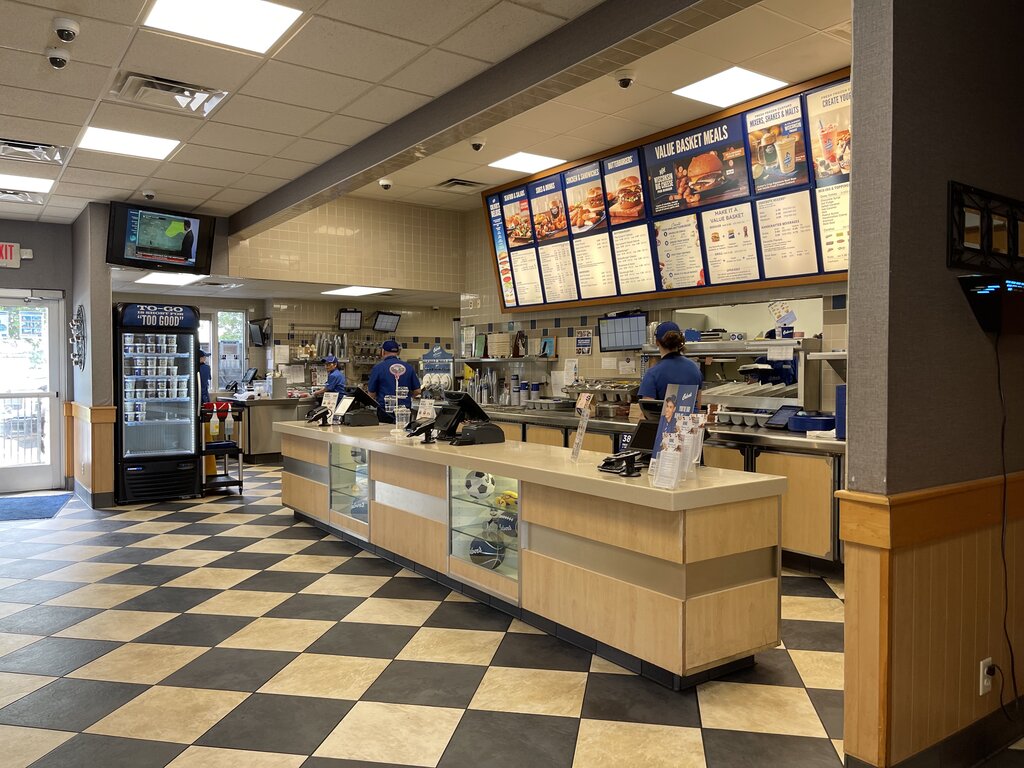
Quick-service restaurants, or QSRs, are all about speed and convenience. Think of fast-food chains like McDonald's, coffee shops like Starbucks, and fast-casual spots like Chipotle. You order at a counter or a drive-thru, pay before you eat, and the food is prepared quickly. The menus are usually limited and standardized to maximize efficiency.
Casual dining restaurants offer a step up in both service and atmosphere. These are places like Applebee's, The Cheesecake Factory, or your local family-owned Italian restaurant. A server takes your order at the table, the menu is more extensive, and the environment is relaxed and suitable for sitting down for a longer meal. It’s the largest segment of the market.
Fine dining represents the peak of the restaurant experience. These establishments offer high-quality cuisine, elaborate service, and an upscale atmosphere. The focus is on the complete experience: the food, the wine, the ambiance, and the impeccable service. These restaurants are destinations for special occasions, and chefs often become celebrities in their own right.
Market Dynamics
The restaurant industry is intensely competitive. At the QSR level, huge multinational corporations like Yum! Brands (owners of KFC, Taco Bell, and Pizza Hut) and McDonald's dominate the landscape. They compete on price, speed, and brand recognition. Independent operators can find it hard to break in.
The casual dining space is more fragmented, with a mix of large national chains and thousands of independent restaurants. Here, competition is often based on creating a unique concept, offering good value, and building a loyal local customer base. Fine dining is the most niche segment, driven by reputation, culinary innovation, and the personal brand of the chef.
The Digital Kitchen
Technology is reshaping every corner of the restaurant industry. The rise of online ordering and third-party delivery apps like DoorDash and Uber Eats has fundamentally changed how customers interact with restaurants. For many establishments, their digital storefront is now as important as their physical one.
This shift has forced restaurants to adapt quickly. Kitchens now need systems to manage a flood of online orders alongside their in-person diners. This has led to the rise of "ghost kitchens"—cooking facilities dedicated solely to delivery orders, with no dining room at all.
Beyond ordering, technology is integrated into every aspect of operations. Point-of-sale (POS) systems do more than just process payments; they track sales data, manage inventory, and handle employee scheduling. Reservation platforms manage seating, while customer relationship management (CRM) software helps build loyalty programs and targeted marketing campaigns.
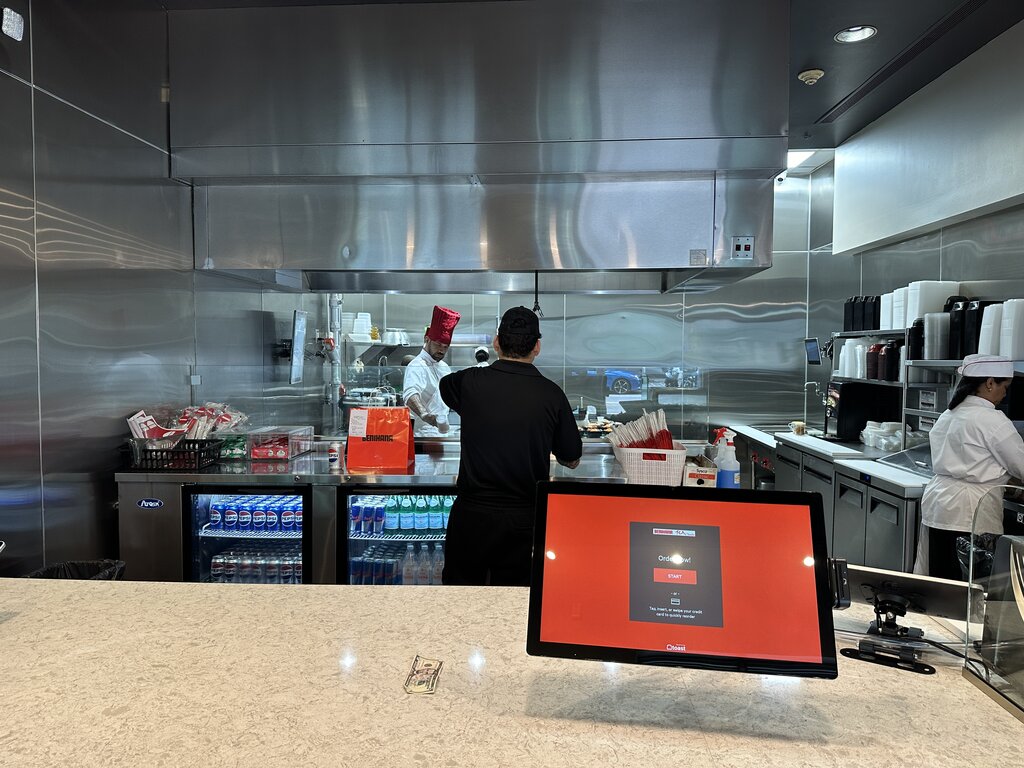
Technology is no longer just a tool for efficiency; it's a core part of the dining experience itself, from discovery and ordering to payment and feedback.
Ready to test your knowledge? Let's review some key concepts first.
Now, see how well you've understood the different facets of the restaurant industry.
Which restaurant category is primarily defined by its emphasis on speed and convenience, often featuring counter or drive-thru service?
What is a 'ghost kitchen'?
Understanding these different segments and trends is the first step in seeing where opportunities lie in this dynamic and constantly evolving industry.