Restaurant Management Essentials
Restaurant Industry Overview
A World on a Plate
The idea of eating out is ancient. Long before the first modern restaurant, inns and taverns served meals to travelers. In ancient Rome and Greece, simple stalls and counters offered ready-to-eat food to city dwellers who often lacked private kitchens.

The restaurant as we know it, however, has its roots in 18th-century Paris. Following the French Revolution, the chefs who once worked for the aristocracy found themselves unemployed. They opened their own establishments, offering private tables, menus, and sophisticated dishes to the public.
The word “restaurant” itself comes from the French word restaurer, meaning “to restore.” Early establishments sold rich broths, or restaurants, that were believed to restore a person's health and strength.
Restaurant Categories
Today, restaurants come in all shapes and sizes, but most fall into a few broad categories. Each type offers a different combination of service, food quality, and price.
| Category | Service Style | Price Point | Example |
|---|---|---|---|
| Fine Dining | Full service, formal | High | A Michelin-starred restaurant with a tasting menu |
| Casual Dining | Full service, relaxed | Moderate | A family-style Italian restaurant or a local bistro |
| Fast Casual | Limited or counter service | Low to moderate | A build-your-own burrito or salad shop |
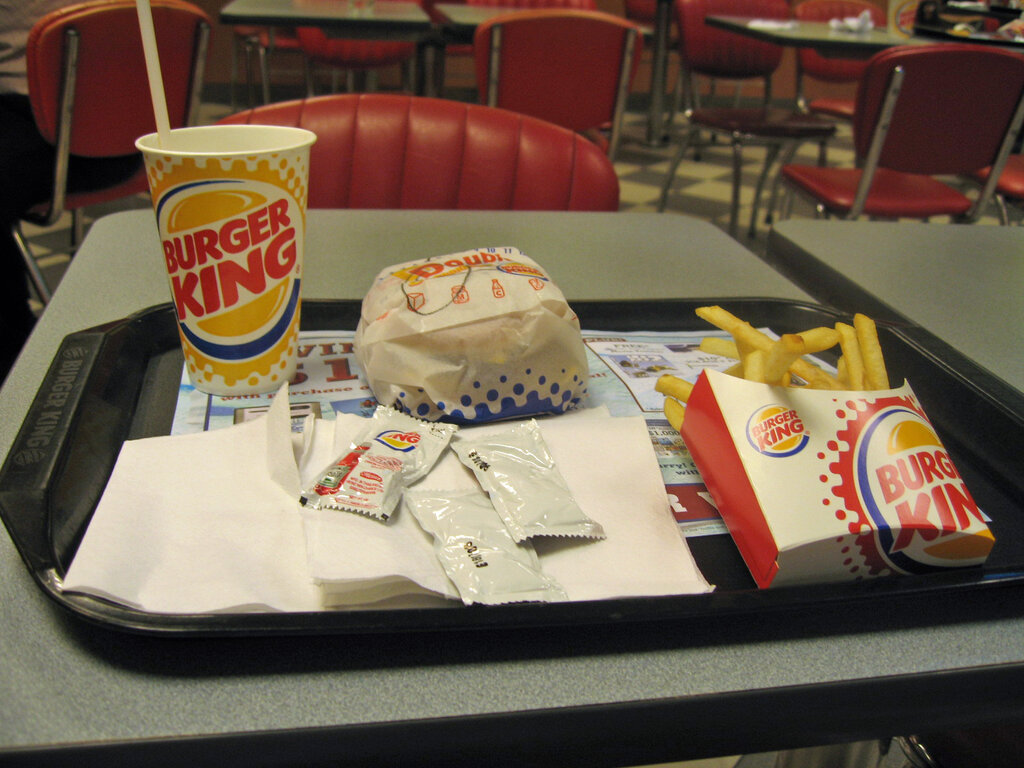
| Quick Service (QSR) | Counter or drive-thru | Low | A hamburger chain or a pizza delivery place |
Beyond these main types, you'll find countless other concepts, from food trucks and pop-up dinners to ghost kitchens—restaurants that only exist for delivery with no physical storefront for customers.
What's Cooking Now
The restaurant industry is always changing, shaped by technology, consumer tastes, and global events. Several key trends are defining the modern dining experience.
Technology Integration: From online ordering and delivery apps to QR code menus and kitchen automation, technology is making restaurants more efficient. Self-service kiosks are also becoming common, allowing customers to place their own orders.
Consumers are increasingly interested in where their food comes from. This has led to a focus on sustainability, with restaurants sourcing ingredients locally and reducing food waste. There's also a growing demand for plant-based and health-conscious menu options that cater to specific dietary needs.
The Rise of "Eatertainment": Dining is no longer just about the food; it's about the experience. Restaurants are creating unique, immersive environments and offering entertainment to attract customers and encourage them to share their experiences on social media.
As we begin 2025, the Quick-Service Restaurant (QSR) industry is at a crossroads, driven by the relentless pace of technological advancements and the evolving demands of an increasingly discerning consumer base.
As you can see, the industry has come a long way from simple roadside inns. Now, it's time to test your understanding of these core concepts.
The word "restaurant" originates from the French word restaurer. What is the meaning of this word?
What major historical event led to the rise of modern restaurants in 18th-century Paris?