Restaurant Group Controller Career Accelerator
Understanding the Controller Role
The Financial Hub
The controller is the head of a restaurant group's accounting operations. They are responsible for the integrity of all financial data, from daily sales reports to year-end statements. Think of them as the central hub ensuring every financial transaction is recorded accurately and efficiently across all locations.
The controller position is accountable for the accounting operations of the company.
For a multi-unit restaurant, this means standardizing procedures so that the accounting for a busy downtown bistro is handled the same way as a suburban family restaurant. This consistency is crucial for creating reliable reports that leadership can use to make informed decisions.
Mastering Prime Costs
In the restaurant world, success often hinges on managing two key expenses: the cost of goods sold (food and beverage) and labor costs. Together, these are known as "prime costs" and can easily consume over 60% of a restaurant's revenue. A controller's primary focus is to build and oversee the systems that keep these costs in check.
For cost of goods, the controller's work goes far beyond simple bookkeeping. They analyze inventory variance to spot waste or theft, work with chefs to understand the profitability of each menu item, and monitor supplier pricing for any unfavorable changes. It's about turning raw data into actionable insights for the kitchen.
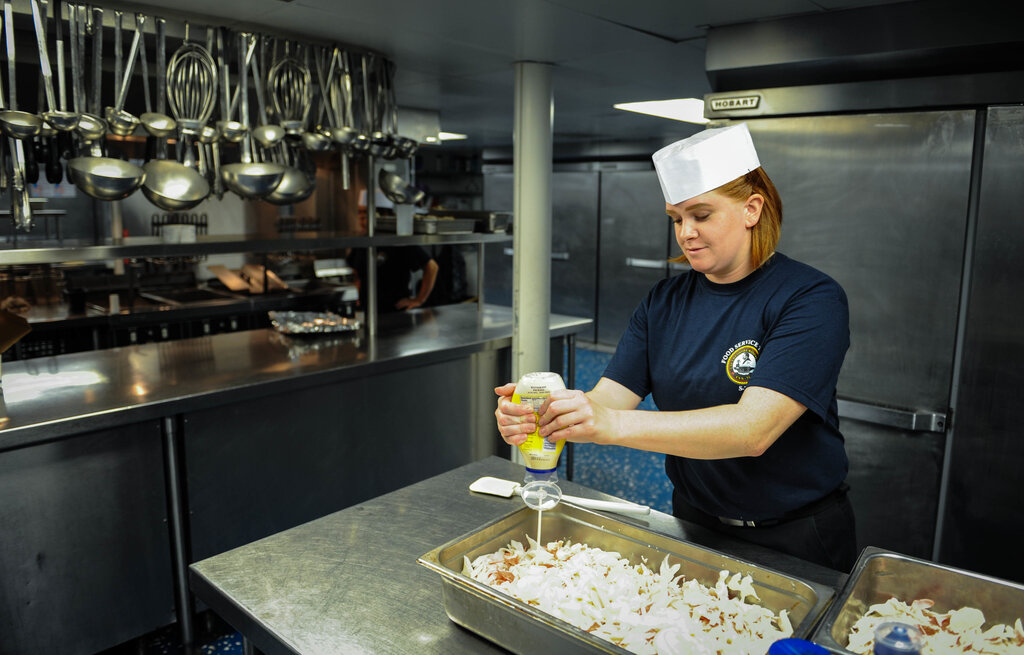
Labor management is the other side of the coin. The controller provides daily and weekly reports on labor as a percentage of sales, tracks overtime hours, and helps general managers create efficient schedules. Their analysis helps answer critical questions: Are we staffed appropriately for a Tuesday lunch rush? Is overtime getting out of hand at a specific location? By providing clear data, the controller empowers managers to make smarter staffing decisions on the fly.
In a business with thin margins, a 1% shift in prime cost isn't just a number—it's often the difference between profit and loss.
Reporting and Planning
While controlling costs is a daily battle, the controller also has a long-term, strategic role. They are responsible for generating the financial reports that tell the story of the business.
This involves more than just standard income statements. A restaurant controller produces detailed unit-level P&L statements, weekly cash flow forecasts, and key performance indicator (KPI) reports. They also ensure the company complies with a web of regulations, including sales tax, payroll tax, and industry-specific rules like tip reporting.
This reporting forms the foundation for strategic financial planning. The controller is a key player in the budgeting and forecasting process, helping set financial targets for each location. They also analyze the financial viability of opening new restaurants, renovating existing ones, or investing in new technology. By modeling different scenarios, they help leadership navigate risks and seize opportunities for growth.
What are the two primary expenses that make up a restaurant's "prime costs"?
A controller in a multi-unit restaurant group is responsible for standardizing accounting procedures across all locations.
Ultimately, the controller connects the dots between daily operations and the group's overall financial health, providing the clarity needed to run a successful and scalable restaurant business.