Restaurant E-commerce Essentials
Introduction to E-Commerce in Restaurants
The Digital Kitchen
When you think of e-commerce, you might picture buying a book or a pair of shoes online. But the same principles apply to the restaurant world. At its core, restaurant e-commerce is simply the buying and selling of food and related services through the internet. This isn't just about ordering a pizza from a website anymore. It’s a broad ecosystem that includes mobile apps, third-party delivery services, online reservation systems, and even digital meal kits sold directly to consumers.
E-commerce allows a restaurant to serve customers far beyond the physical seats in its dining room.
This digital transformation means a local neighborhood bistro can compete for the attention of someone scrolling on their phone miles away. It turns a restaurant's menu into a digital storefront, accessible 24/7. Whether a customer is pre-ordering lunch for the office, booking a table for a special occasion, or having dinner delivered on a rainy night, they are engaging in restaurant e-commerce.
From Phone Calls to Taps
The journey of ordering food from home didn't start with an app. For decades, the peak of convenience was a phone call to the local pizza parlor or Chinese restaurant. You’d read the menu from a paper flyer stuck to your fridge and hope the person on the other end got your order right.
The internet changed everything. The late 1990s saw the first wave of online ordering systems. Suddenly, you could click through a menu on a website and send your order directly to the kitchen. It was revolutionary, but still clunky and tied to a desktop computer.
The real explosion came with the smartphone. Apps like Grubhub, DoorDash, and Uber Eats put a thousand restaurant menus in your pocket. These platforms acted as middlemen, connecting hungry customers with a vast array of local eateries, many of which had never offered delivery before. This shift created a new marketplace, turning convenience from a novelty into a basic expectation.
The next generation of restaurant marketplaces (Doordash, Deliveroo, Caviar), which emerged in the past two years, focus on step 1 and 3 of the process: they bring extra traffic and orders to the restaurants, but also manage the delivery for them, through their fleet of independent couriers connected by an Uber-like mobile app.
Restaurants Without a Restaurant
This new digital-first environment paved the way for a radical new concept: the virtual restaurant. Also known as ghost kitchens or cloud kitchens, these are food businesses with no physical dining room, no storefront, and no waiters.
virtual restaurant
noun
A food service business that serves customers exclusively through online ordering and delivery, operating out of a kitchen without a public-facing dining area.
These are kitchens, pure and simple, designed for peak efficiency in a delivery-only world. The appeal is obvious. Without the massive overhead of a prime location, expensive decor, and front-of-house staff, entrepreneurs can launch a new food concept with much lower risk. A single kitchen space can even house multiple virtual brands at once, offering everything from burgers to salads to ramen, all prepared under one roof. This allows for incredible flexibility, letting operators test new ideas and adapt to changing consumer tastes almost instantly.
Changing the Traditional Menu
Digital transformation isn't just for delivery-focused businesses. It's fundamentally reshaping how traditional brick-and-mortar restaurants operate. The goal is to create a smoother, more integrated experience for both the customer and the staff.
Think about the last time you ate out. Did you book your table online? Did you scan a QR code to view the menu on your phone? These are simple examples of digital tools enhancing the dine-in experience. Behind the scenes, technology is doing even more. Kitchens use digital ticket systems to manage orders from both diners and delivery drivers. Point-of-sale (POS) systems now integrate with inventory management, telling a chef when they're running low on key ingredients.
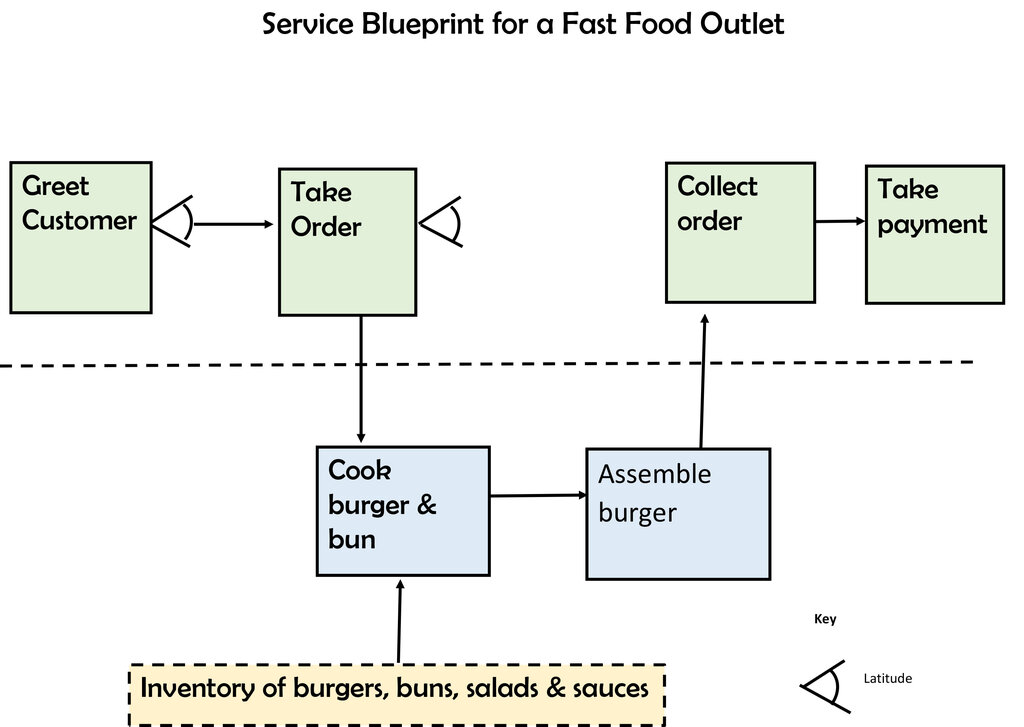
This wave of technology provides restaurants with a treasure trove of data. They can see which menu items are most popular for delivery, what times of day are busiest for online orders, and what promotions drive the most traffic. This information allows them to make smarter decisions, tailor their offerings, and ultimately serve their customers better, whether they're sitting at a table or on their couch at home.
Time to check what you've learned.
Which of the following best defines restaurant e-commerce?
A food business that operates without a physical dining room, focusing solely on delivery, is known as a ___ kitchen.