Restaurant Accounting Essentials
Introduction to Restaurant Accounting
The Financial Kitchen
Running a restaurant is more than just great food and service. It's a business with unique financial ingredients. Unlike a retail store selling sweaters, a restaurant deals with perishable inventory, fluctuating food costs, and multiple ways of making money. Good accounting helps you track all these moving parts, ensuring the business stays healthy and profitable.
At its core, restaurant accounting follows the same rules as any other business, but it focuses on metrics specific to the industry. Think of it as a special recipe for financial clarity.
The Core Financial Statements
To understand your restaurant's financial health, you need to get familiar with three key reports. Each one tells a different part of your financial story.
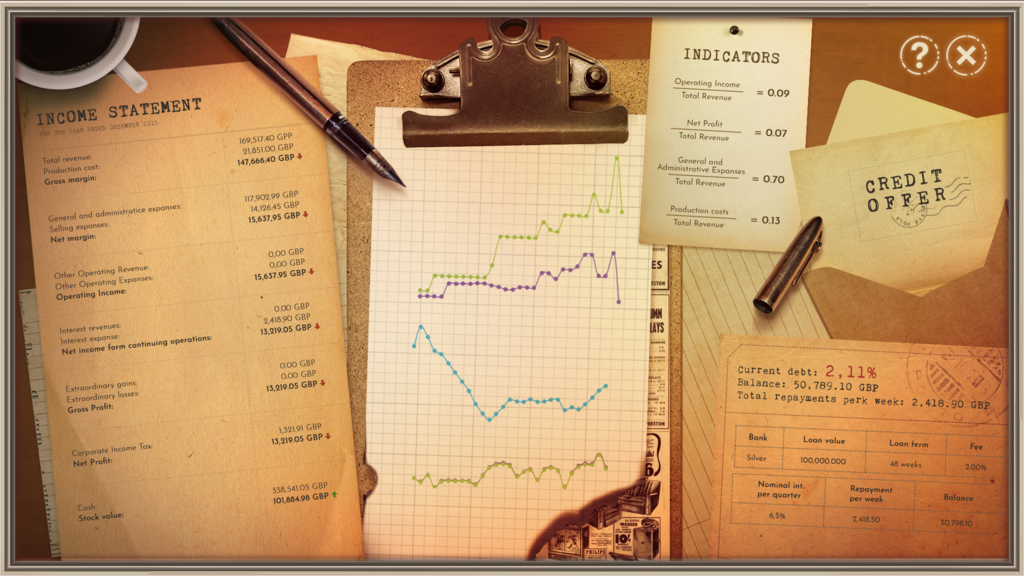
First up is the Income Statement, also known as the Profit and Loss (P&L) statement. This report shows your financial performance over a specific period, like a month or a quarter. It answers the big question: Are we making money?
The Income Statement subtracts your total expenses from your total revenue to find your net income or loss. It's a scoreboard for your restaurant's profitability.
Next is the Balance Sheet. If the Income Statement is a video of your performance over time, the Balance Sheet is a snapshot on a specific day. It shows what your restaurant owns (assets) and what it owes (liabilities). The difference between these two is your equity, or the net worth of the business.
Finally, the Statement of Cash Flows tracks the movement of cash into and out of your restaurant. Profit on your Income Statement doesn't always mean cash in the bank. This statement shows exactly where your cash came from and where it went, which is crucial for managing day-to-day operations and paying bills on time.
Restaurant Revenue and Expenses
A restaurant's financial picture is built from its unique sources of income and its specific costs. Let's break them down.
Revenue isn't just from customers eating in the dining room. Modern restaurants have several streams of income:
- Dine-in: The traditional source of revenue from guests served on-premise.
- Takeout/Carryout: Orders placed by customers who pick up the food themselves.
- Delivery: Orders brought to the customer, either by your own staff or through a third-party app like DoorDash or Uber Eats.
- Catering: Providing food for events, which often involves larger, pre-planned orders.
Tracking these separately helps you see which parts of your business are most profitable.
On the other side of the ledger are the expenses. In a restaurant, these generally fall into three main buckets.
| Category | Description | Examples |
|---|---|---|
| Food Costs | The cost of the ingredients used to make your menu items. Also called Cost of Goods Sold (COGS). | Meat, produce, dairy, spices, beverages. |
| Labor Costs | All expenses related to paying your staff. | Salaries for chefs and managers, wages for servers and cooks, payroll taxes, benefits. |
| Overhead | All other costs required to keep the restaurant running. | Rent, utilities (gas, electric, water), marketing, insurance, software subscriptions, repairs. |
Why It All Matters
Keeping accurate financial records isn't just about satisfying the tax authorities. It's a powerful tool for making smart business decisions. Clear financial reporting helps you spot trends, like rising food costs or a surge in delivery orders. It allows you to set realistic goals and build budgets to achieve them.

Furthermore, if you ever need to secure a loan from a bank or attract investors, they will want to see organized and reliable financial statements. Good accounting builds credibility and demonstrates that you are in control of your business. It turns guesswork into strategy, giving your restaurant a much better chance to thrive.