Responsible Digital Transformation Strategy
Introduction to Digital Sustainability
What is Digital Sustainability?
When we think about sustainability, we often picture forests, recycling bins, or solar panels. But what about the digital world we live in? Every email we send, video we stream, and photo we store has an impact. Digital sustainability is about making sure our online habits and the technologies we use are healthy for the planet, fair for people, and built to last.
It means looking at the entire lifecycle of our digital tools and services, from the energy used by massive data centers to the ethical implications of artificial intelligence. It's about integrating environmental, social, and governance (ESG) principles into every click, tap, and swipe. The goal is to build a digital future that is innovative, inclusive, and environmentally responsible.
The Unseen Footprint of Tech
Our digital lives feel invisible and weightless, but they have a real, physical footprint. The internet is not a cloud; it's a sprawling network of servers, cables, and coolers running 24/7. These data centers consume enormous amounts of electricity, often generated from fossil fuels. The constant production of new gadgets also leads to resource depletion and a growing mountain of electronic waste, or e-waste.
If the internet were a country, it would be the seventh-largest polluter in the world. Its energy consumption and carbon footprint are comparable to that of the entire airline industry.
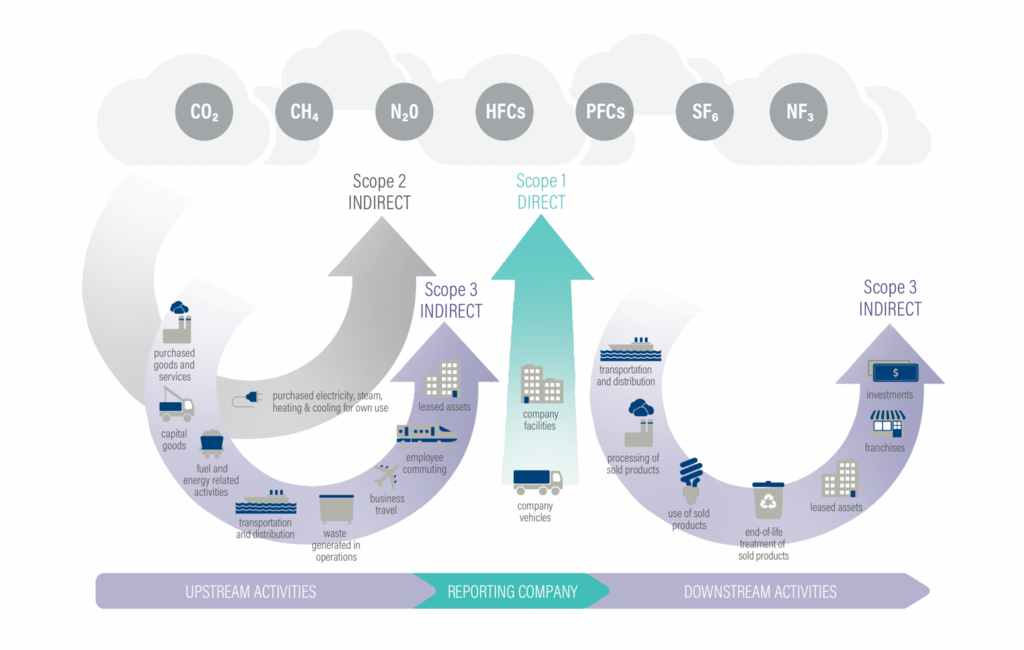
This environmental impact comes from three main areas, similar to how businesses track their carbon emissions. There are direct emissions from sources a company owns (Scope 1), indirect emissions from purchased electricity (Scope 2), and all other indirect emissions that occur in a company's value chain, both upstream and downstream (Scope 3). For digital companies, this includes everything from manufacturing hardware to the energy a user consumes while scrolling through their app.
Beyond Profit: Corporate Digital Responsibility
As our reliance on technology grows, so does the responsibility of the companies that build it. Corporate Digital Responsibility (CDR) is a framework that guides businesses to manage their digital impact ethically and sustainably. It’s about moving beyond just complying with regulations and actively working to create positive outcomes for society and the environment.
CDR is closely tied to the broader concept of ESG, which investors and consumers use to evaluate a company's overall ethical standing.
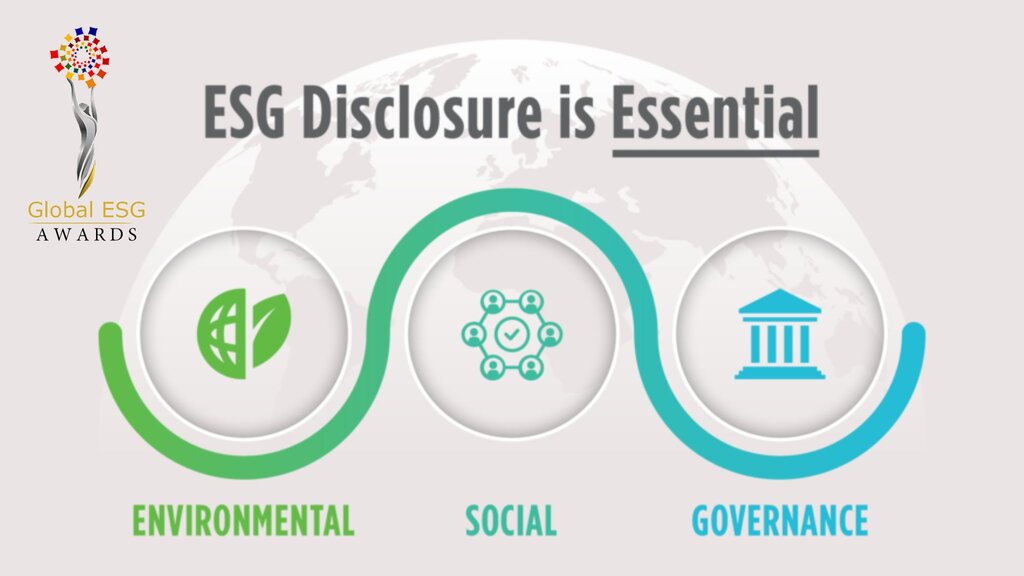
Let's break down how ESG applies to the digital world:
- Environmental: This covers the energy consumption of data centers, managing e-waste from hardware, and designing software that runs efficiently to use less power.
- Social: This involves ensuring technology is accessible to everyone, protecting user data and privacy, promoting digital literacy, and considering the well-being of users to avoid digital addiction.
- Governance: This focuses on transparency in how algorithms make decisions, ethical development of AI, and being accountable for the societal impact of a company's digital products and services.
Regardless of whether you call it CSR, corporate responsibility, environmental, social and corporate governance (ESG) or sustainability, a common understanding is emerging around the world: a company's long-term financial success goes hand in hand with its record on social responsibility, environmental stewardship and corporate ethics.
By adopting sustainable digital strategies, organizations don't just reduce their negative footprint. They can also drive innovation, build trust with customers, and create long-term value in a world that increasingly demands responsible business practices.
What is the primary goal of digital sustainability?
The environmental impact of the digital world includes direct emissions from company-owned sources (Scope 1) and indirect emissions from purchased electricity (Scope 2). What does Scope 3 cover in this context?