Responsible AI Use with ChatGPT
Introduction to AI Ethics
Why AI Needs a Conscience
Artificial intelligence is becoming a powerful force in our world, from recommending movies to helping doctors diagnose diseases. But as these systems get smarter and more integrated into our lives, we have to ask a critical question: how do we make sure they do the right thing? This is where AI ethics comes in. It's the conversation about how to embed human values into the machines we create.
AI Ethics
noun
A field of study and practice that seeks to guide the development and use of artificial intelligence in a way that is beneficial and fair to humanity.
The idea of machine ethics isn't new. For decades, science fiction authors and thinkers have explored the concept. Isaac Asimov's famous "Three Laws of Robotics," introduced in the 1940s, was an early attempt to imagine a moral code for intelligent machines. What was once science fiction is now becoming a practical necessity. As AI moves from research labs into our homes, hospitals, and workplaces, these ethical questions are no longer theoretical.
More Than Just Code
Developing AI without considering ethics is like building a car with a powerful engine but no brakes or steering wheel. It has immense potential to go far, fast, but it also has the potential to cause a lot of damage if not guided properly. Ethical considerations are the steering wheel and brake pedal, ensuring that the technology moves in a direction that benefits society and can be stopped or corrected when it veers off course.
Every decision made during an AI's development, from the data it's trained on to the goals it's given, can have ethical consequences. The goal is to build systems that are not only intelligent but also trustworthy, fair, and accountable.
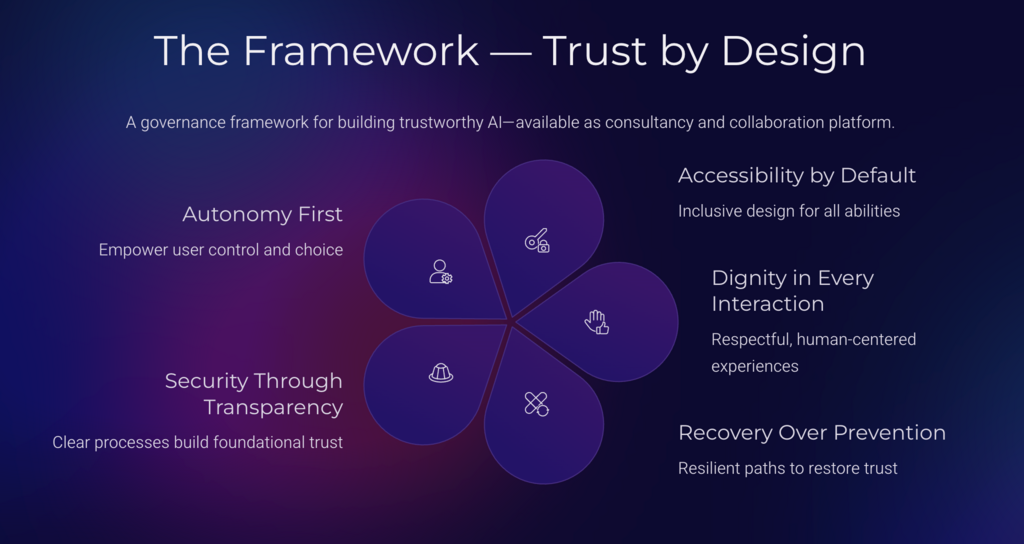
This isn't just an abstract exercise for philosophers. AI systems are already making decisions that affect people's lives. They influence who gets a job interview, who is approved for a loan, and even what medical treatments are recommended. When the stakes are this high, we can't afford to leave ethics as an afterthought.
AI systems don't just process data; they make choices that have real-world consequences for real people.
The Core Challenges
Navigating AI ethics means grappling with several major challenges. We don't need to solve them all today, but it's important to know what they are. These are the big questions that developers, policymakers, and the public are currently wrestling with.
These challenges are interconnected. For example, a biased algorithm (fairness) might compromise a user's sensitive information (privacy), and determining who is responsible when it causes harm (accountability) is a major hurdle. Understanding these fundamental challenges is the first step toward building AI that is both powerful and responsible.
Why is developing AI without considering ethics compared to building a car with a powerful engine but no brakes or steering wheel?
What is the central purpose of AI ethics?
Thinking about these questions is how we begin to build AI that is not just intelligent, but also wise.