Responsible AI Use with ChatGPT
Introduction to AI Ethics
What Are AI Ethics?
Artificial Intelligence is no longer just a concept from science fiction; it's a part of our daily lives. It recommends movies, helps doctors diagnose diseases, and even assists in driving our cars. Because this technology has such a big impact, we need to think carefully about how it's built and used. That's where AI ethics comes in.
AI ethics is a field of study and practice focused on ensuring that AI systems are developed and deployed in a way that is morally sound and beneficial to humanity. It’s about embedding human values into machines that think and learn.
The goal is simple: guide powerful technology with our shared values to prevent harm and promote good.
This field isn't just for philosophers or computer scientists. It covers a wide range of issues that affect everyone, including fairness in algorithms, privacy of our data, the accountability of automated decisions, and the overall impact of AI on society and human rights.
A Quick Look Back
The conversation about machine ethics started long before the first line of AI code was written. Early science fiction authors, like Isaac Asimov with his "Three Laws of Robotics," explored the moral dilemmas that intelligent machines might pose. These stories were thought experiments, raising questions about control, responsibility, and what it means to be human.
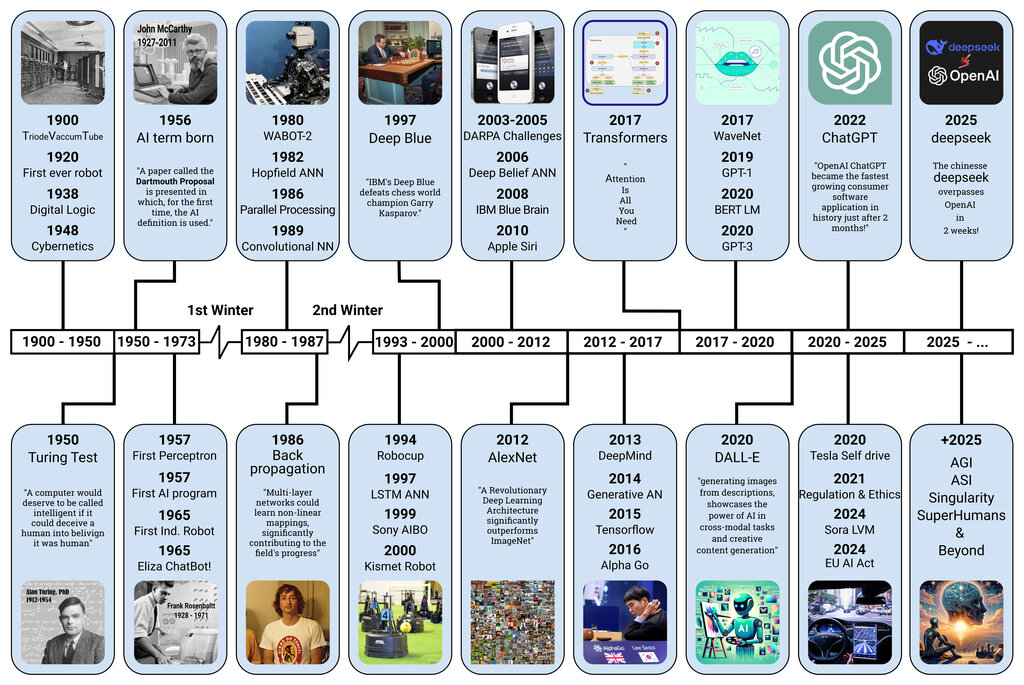
For decades, these discussions remained mostly theoretical. But as computing power grew and AI evolved from simple programs to complex learning systems, the ethical questions became much more urgent. What was once science fiction is now a practical concern for governments, companies, and the public.
Why This Matters Now
AI systems are making decisions that have real-world consequences. An algorithm might help determine if someone gets a job interview, is approved for a loan, or is recommended for a certain medical treatment. When these systems are biased or make mistakes, people can be seriously harmed.
As AI becomes more integrated into society, ensuring its ethical use is crucial to prevent harm, bias, and misuse.
Think of it like this: building a powerful AI without a strong ethical framework is like constructing a skyscraper with no architectural blueprints or safety codes. It might look impressive, but it's fundamentally unstable and poses a risk to everyone. Ethical guidelines serve as the essential blueprint for responsible innovation.
Core Ethical Principles
While there isn't one single, universally accepted code of conduct for AI, a consensus is forming around several key principles. These act as a compass for developers and policymakers aiming to create AI that benefits society.
| Principle | What It Means |
|---|---|
| Fairness & Non-Discrimination | AI systems should treat all individuals and groups equitably and avoid perpetuating existing societal biases. |
| Transparency & Explainability | We should be able to understand how an AI system makes its decisions. It shouldn't be a mysterious "black box." |
| Accountability & Responsibility | When an AI system causes harm, there must be clear lines of responsibility for fixing the problem and making things right. |
| Privacy & Data Governance | Personal data used to train and operate AI must be protected, and individuals should have control over their information. |
| Beneficence | At its core, AI should be developed and used to promote human well-being and the common good. |
These principles aren't just abstract ideas. They are practical goals that guide the design of fairer algorithms, the creation of more transparent systems, and the establishment of policies that protect people. Understanding these fundamentals is the first step toward using tools like ChatGPT responsibly and ensuring that AI develops in a direction that aligns with our best interests.