Responsible AI Use
Introduction to AI Ethics
Why AI Needs a Conscience
Artificial intelligence is no longer science fiction. It helps recommend movies, diagnose diseases, and even drive cars. But as AI becomes more powerful and woven into our daily lives, we have to ask a critical question: how do we ensure it does good and not harm?
This is the central question of AI ethics. It’s a field dedicated to guiding the design and use of AI technology in a way that aligns with human values. Think of it as a moral compass for machines, or more accurately, for the people who build them. It's not just about complex philosophy; it's about the real-world impact AI has on people's lives.
As AI becomes more integrated into society, ensuring its ethical use is crucial to prevent harm, bias, and misuse.
Why is this so important? Because AI systems are making decisions that were once exclusively human. They can influence who gets a job interview, who is approved for a loan, or what medical treatment a patient receives. Without a strong ethical foundation, these powerful tools can accidentally cause significant problems.
Building AI without considering ethics is like constructing a skyscraper without consulting an architect. You might build something that looks impressive, but it could be unstable and dangerous. Ethical principles provide the blueprint for building AI that is safe, fair, and trustworthy.
Common Ethical Hurdles
Navigating the world of AI ethics means confronting several key challenges. These aren't just theoretical puzzles; they are practical problems that developers and policymakers are grappling with right now.
Bias
noun
A prejudice in favor of or against one thing, person, or group compared with another, usually in a way considered to be unfair.
One of the biggest issues is bias. AI systems learn from data, and if that data reflects existing societal biases, the AI will learn and even amplify them. For example, if an AI is trained on historical hiring data from a company that predominantly hired men for engineering roles, it may learn to unfairly favor male applicants, regardless of their qualifications.
This creates a vicious cycle where past injustices are automated and perpetuated into the future.
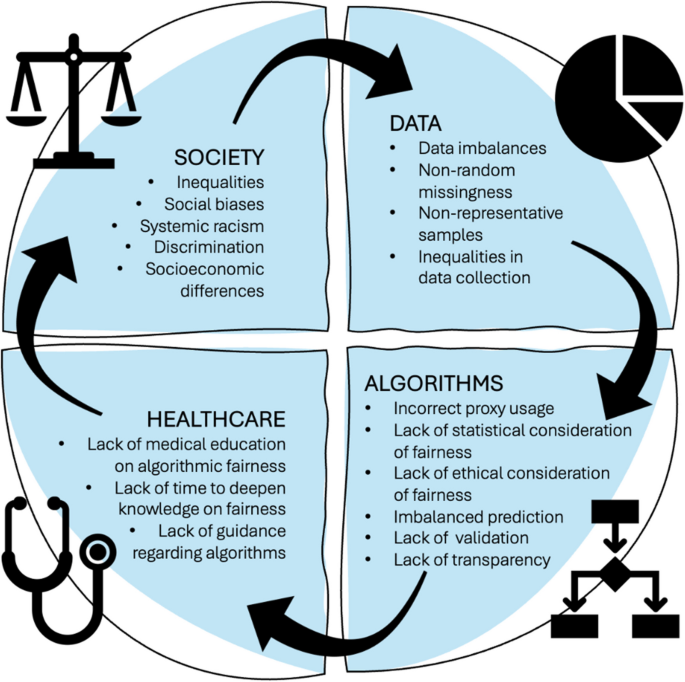
Next is transparency, or the lack of it. Many advanced AI models are incredibly complex, making it difficult even for their creators to understand exactly how they arrive at a particular decision. This is often called the "black box" problem. If an AI denies someone a loan, but we can't understand its reasoning, how can we check if the decision was fair? How can it be challenged?
Privacy is another major concern. AI systems often require vast amounts of data to function, some of which can be deeply personal. Think about facial recognition technology or personalized advertising that seems to know your every thought. Establishing rules for how this data is collected, used, and protected is a fundamental ethical challenge.
Finally, there's the question of accountability. When an autonomous car causes an accident, who is responsible? The owner? The manufacturer? The programmer who wrote the code? As AI systems become more autonomous, determining who is accountable when things go wrong becomes increasingly complex.
Ensuring fairness, transparency, and accountability are core goals in the field of AI ethics.
These challenges don't have easy answers. They require ongoing conversation between technologists, policymakers, ethicists, and the public. Let's test your understanding of these foundational ideas.
What is the primary goal of AI ethics?
An AI system is trained using historical hiring data from a company that predominantly hired men for technical roles. What is the most likely ethical problem this system will exhibit?
AI ethics is a rapidly evolving field, but its core mission is constant: to steer this transformative technology toward a future that is beneficial for all of humanity.