Responsible AI Use
Introduction to AI Ethics
What is AI Ethics?
Artificial intelligence is more than just code. It's a tool that makes decisions affecting people's lives, from loan applications to medical diagnoses. AI ethics is the field dedicated to making sure these decisions are good, fair, and beneficial for humanity. It’s about building AI that we can trust.
Think of it like building a bridge. An engineer needs to know the physics to make sure the bridge stands up, but they also need to consider its impact. Where will the on-ramps go? How will it affect local traffic and wildlife? These are ethical considerations. Similarly, AI developers must think beyond the algorithm and consider the societal impact of their creations. Without this, we risk building systems that are powerful but also harmful, biased, or unpredictable.
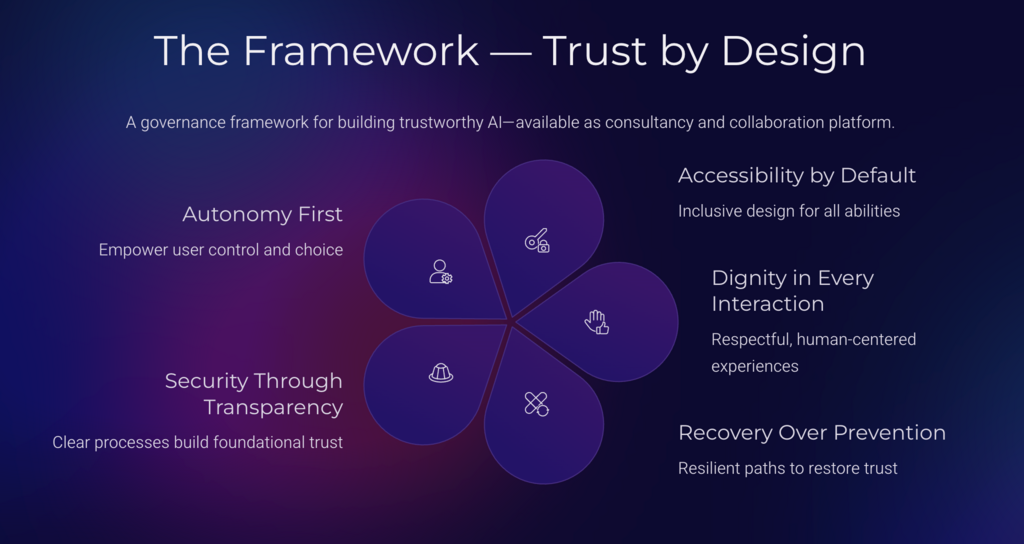
The goal is to guide the development of AI in a way that aligns with human values. To do this, researchers, developers, and policymakers rely on a set of core principles.
Core Principles of Responsible AI
While there are many ethical guidelines, a few principles appear again and again. They form the foundation of responsible AI development and help us evaluate whether an AI system is working for us or against us.
Fairness means that an AI system should not create or reinforce unfair bias. AI learns from data, and if that data reflects existing societal biases, the AI will learn them too. For example, if a hiring tool is trained on historical data where mostly men held a certain job, it might learn to unfairly favor male candidates, regardless of their qualifications. A fair AI is one that treats all individuals and groups equitably.
An AI used for sentencing criminals showed bias against Black defendants, rating them as higher risk for reoffending than white defendants with similar histories. The root cause was biased historical data.
Transparency is about understanding how an AI system works. Some complex AI models are like a "black box"—they give an answer, but we don't know why. For a doctor using an AI to help diagnose a disease, knowing why the AI made its recommendation is critical. Transparency, also called explainability, allows us to trust, debug, and contest the decisions made by AI.
If an AI denies someone a loan, transparency means the bank can explain the specific reasons for the denial, such as credit history or income level, rather than just saying "the computer said no."
Accountability addresses the question of who is responsible when an AI system fails. If a self-driving car causes an accident, who is at fault? The owner, the manufacturer, or the software developer? Establishing clear lines of accountability is essential for building public trust and providing recourse for those who are harmed.
Putting Principles into Practice
Principles are a starting point, but they need to be translated into action. Many organizations have developed ethical frameworks and guidelines to help developers and companies navigate these complex issues. These frameworks provide concrete steps for designing, building, and deploying AI responsibly.
Examples include:
- AI Impact Assessments: A process to identify and mitigate potential ethical risks before an AI system is deployed.
- Ethics Review Boards: Internal or external groups that provide oversight on AI projects, similar to how they work in medical research.
- Codes of Conduct: Sets of rules and standards that organizations commit to following, such as Google's AI Principles or Microsoft's Responsible AI Standard.
The adoption of ethical principles, guidelines, and standards of work is therefore required throughout the entire process of AI development, deployment, and usage to ensure responsible and ethical AI practices.
These tools don't solve every problem, but they create a structure for asking the right questions and holding developers accountable. They help shift the focus from what AI can do to what it should do.
Now, let's test your understanding of these foundational ideas.
The provided text compares AI development to building a bridge primarily to highlight that:
An AI model used for medical diagnosis provides a recommendation, but the doctors are unable to understand the reasoning behind its conclusion. This situation primarily represents a failure in which ethical principle?
Understanding these ethical foundations is crucial. As AI becomes more integrated into our world, these principles and frameworks will guide us in creating technology that is not only intelligent but also wise.