Responsible AI Use
Introduction to AI Ethics
Why AI Needs a Conscience
Artificial intelligence is no longer just a concept from science fiction. It's woven into our daily lives, from recommending movies to helping doctors diagnose diseases. As these systems become more powerful and make more complex decisions, we have to ask a critical question: how do we ensure they do the right thing?
This is the core of AI ethics. It's the field dedicated to guiding the design and use of AI systems in a way that aligns with human values. Think of it less like a rigid set of rules and more like a moral compass for developers and users. We're not just building tools; we're creating partners in decision-making, and those partners need to be trustworthy, fair, and understandable.
AI ethics focuses on principles such as fairness, transparency, accountability, and privacy to guide responsible AI development and deployment.
Without these ethical guardrails, AI could accidentally cause real harm, like reinforcing societal biases in hiring or making unfair judgments in legal cases. The goal is to build AI that helps humanity flourish, not create new problems.
The Four Pillars of Ethical AI
To build responsible AI, researchers and ethicists focus on a few core principles. These ideas act as a foundation for making sure AI systems are developed and used for good.
Autonomy: This principle is about ensuring humans stay in control. An ethical AI should augment human intelligence, not replace it. The final decision on important matters should rest with a person who can be held accountable.
Beneficence: This is the principle of doing good. AI systems should be created for the purpose of benefiting people and society, while actively avoiding and minimizing harm.
Beneficence
noun
The ethical obligation to act for the benefit of others, promoting their well-being and preventing or removing harm.
Justice: AI should be fair to everyone. This means the system's benefits and risks should be distributed equitably. A critical part of justice is fighting bias. If an AI is trained on biased data, it will produce biased results, potentially discriminating against certain groups.
Explicability: Also known as transparency or explainability, this means we should be able to understand how an AI arrived at its conclusion. If an AI denies someone a loan, the bank should be able to explain why. Without this, we can't trust the system or fix its mistakes.
From Theory to Reality
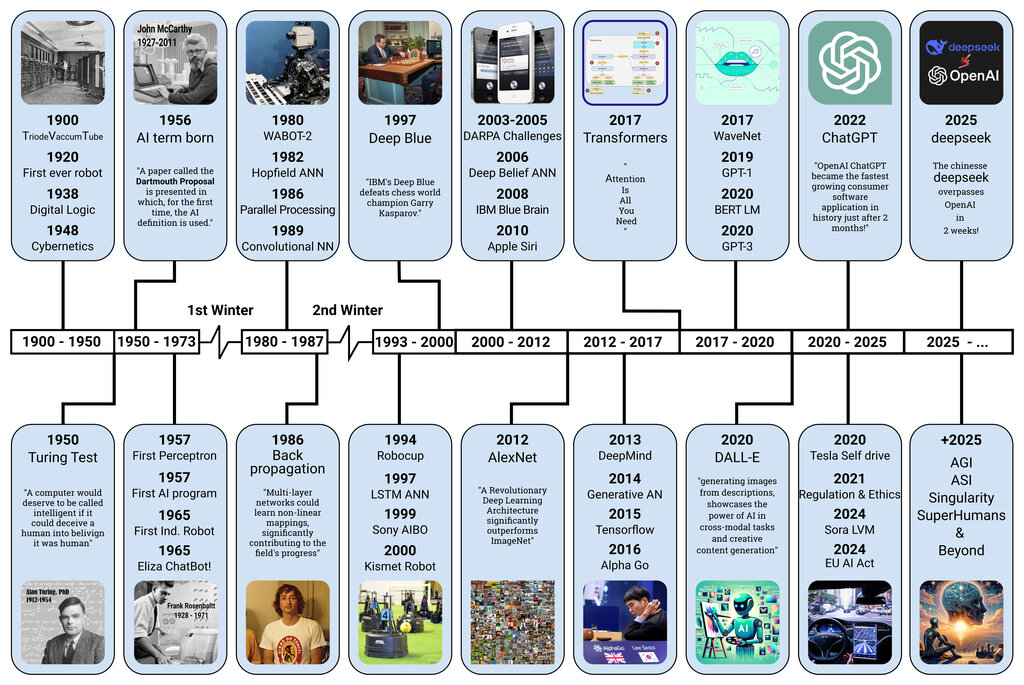
The conversation around machine ethics isn't new. Science fiction authors were exploring the idea decades ago. For a long time, these were mostly philosophical thought experiments. But as AI moved from university labs into the real world, the ethical questions became urgent and practical.
Early AI was limited to specific, narrow tasks. Now, powerful models can write, create art, and analyze complex data. This rapid progress means we're constantly facing new ethical challenges.
One of the biggest challenges is the "black box" problem. Some advanced AI systems are so complex that even their creators don't fully understand their internal reasoning. This makes explicability difficult and raises questions about accountability when things go wrong.
Another major hurdle is data. AI systems learn from the data they're given. If that data reflects existing human biases related to race, gender, or income, the AI will learn and even amplify those biases. Ensuring fairness requires careful data collection and constant testing.
Ready to check your understanding of these foundational ideas?
What is the primary goal of AI ethics?
An AI model used for hiring is found to consistently favor male candidates over equally qualified female candidates. Which core ethical principle is most directly being violated?
Understanding these core principles is the first step toward navigating the complex world of AI responsibly. It's an ongoing conversation that requires input from everyone, not just programmers and policymakers.