Responsible AI Use and Ethics
Introduction to AI Ethics
What is AI Ethics?
Artificial intelligence isn't just a tool; it's a force that's reshaping our world. From deciding who gets a loan to suggesting what you should watch next, AI is making decisions that affect our lives. AI ethics is the field dedicated to making sure these decisions are good, fair, and safe for everyone.
It’s a set of guidelines and principles that help developers and users navigate the moral questions raised by AI. It’s not about sci-fi scenarios with rebellious robots. It’s about the very real, present-day impact of algorithms on society.
Think of it as a moral compass for technology, ensuring that as AI becomes more powerful, it also becomes more responsible.
The Core Principles
To guide the development of responsible AI, experts focus on a few key principles. These aren't just abstract ideas; they are practical goals for building trustworthy systems. The four most important ones are fairness, transparency, accountability, and privacy.
| Principle | Why It Matters |
|---|---|
| Fairness | Prevents AI systems from discriminating against certain groups of people. |
| Transparency | Ensures we can understand how an AI arrived at its decisions. |
| Accountability | Establishes who is responsible when an AI system makes a mistake. |
| Privacy | Protects our personal data from being misused by AI systems. |
These principles work together. A system can't be truly fair if it's not transparent, and there can be no accountability without understanding who is responsible for the system's actions.
When Ethics Are Ignored
What happens when these principles are overlooked? The consequences can be significant.
Consider an AI tool designed to screen job applicants. If it's trained on historical hiring data from a company that predominantly hired men, the AI might learn to favor male candidates and penalize qualified female applicants. This is a failure of fairness. The AI isn't intentionally sexist; it's simply reflecting the biases present in its training data.
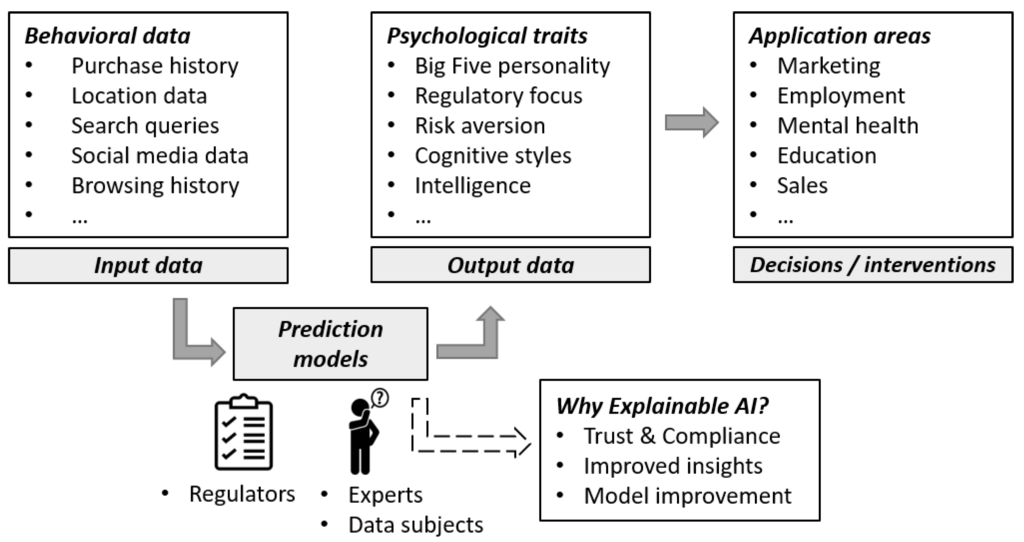
Another example is the “black box” problem. Some complex AI models are so intricate that even their creators can’t fully explain why they make a particular decision. If this AI denies someone a loan, and no one can explain why, that’s a failure of transparency. This lack of clarity makes it impossible to challenge the decision or fix the underlying issue.
Finally, when a self-driving car causes an accident, who is at fault? The owner, the manufacturer, or the software engineer who wrote the code? Defining clear lines of accountability is one of the most pressing challenges in AI ethics.
As AI becomes more integrated into society, ensuring its ethical use is crucial to prevent harm, bias, and misuse.
These aren't just hypothetical problems. They are real-world issues that companies and governments are grappling with right now. Understanding these ethical foundations is the first step toward building and using AI responsibly.
What is the primary focus of AI ethics?
An AI model used for screening job applicants is found to consistently favor male candidates because it was trained on a company's past hiring data, which was heavily skewed towards men. This is a direct failure of which ethical principle?
Now that we’ve covered the basics of AI ethics, you have a framework for thinking about the moral side of this powerful technology.