Responsible AI Use and Ethics
Introduction to AI Ethics
Why AI Needs a Conscience
Artificial intelligence is no longer science fiction. It helps doctors diagnose diseases, recommends movies, and even drives cars. As these systems become more powerful and autonomous, they start making decisions that have real-world consequences. This raises an important question: How do we ensure these machines act in ways that are good for humanity?
Simply put, we need to teach our technology the difference between right and wrong. This is the core challenge of AI ethics.
AI Ethics
noun
A field of study and practice that explores the moral principles and societal impacts of artificial intelligence. It aims to guide the design and use of AI systems to align with human values and prevent harm.
A Brief History of a New Problem
The conversation around AI ethics isn't new. It began almost as soon as the idea of intelligent machines emerged. Early science fiction writers like Isaac Asimov explored the potential dangers of robots with his famous "Three Laws of Robotics" back in the 1940s. These stories were thought experiments, but they planted the seeds for the ethical questions we face today.
As AI technology progressed from theoretical concepts to practical applications, so did the ethical debates. The journey from simple rule-based systems to complex neural networks brought new capabilities, and with them, new concerns about privacy, bias, and control.
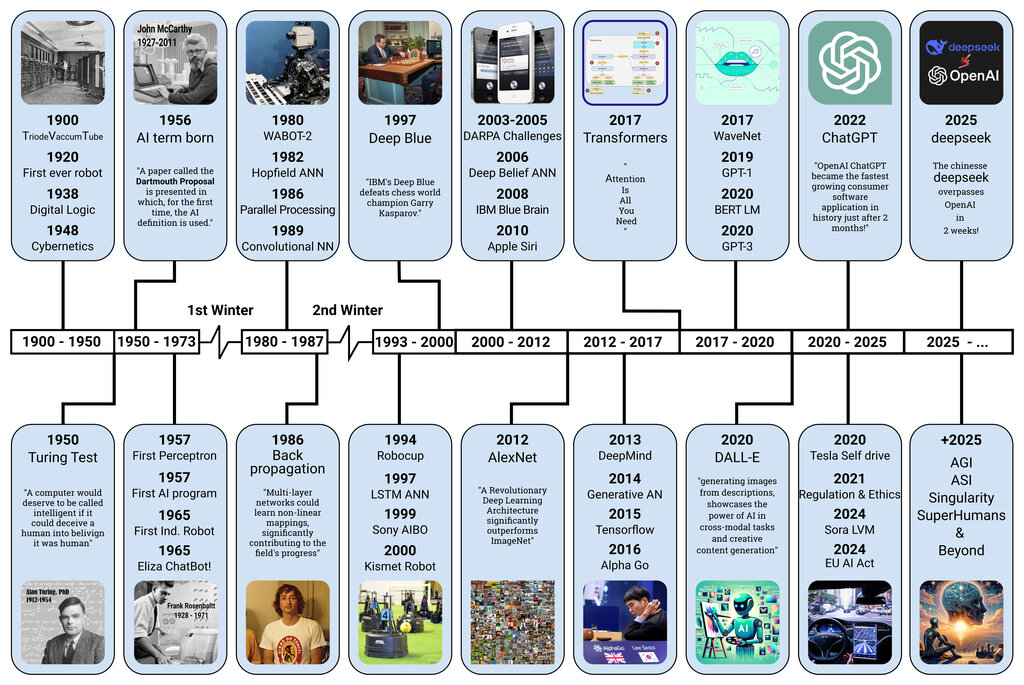
Early on, the focus was on preventing catastrophic scenarios, like a superintelligence turning against its creators. While that's still a topic of discussion, the modern field of AI ethics is much more focused on the immediate, tangible impacts of AI on our daily lives. How does an algorithm's decision affect someone's chance of getting a loan? Does a facial recognition system work equally well for everyone? These are the practical questions that drive the field forward.
Integrating Ethics Into Code
Thinking about ethics is one thing; building ethical AI is another. The goal is to move from abstract principles to concrete practices. This means integrating ethical frameworks directly into the AI development process, not just treating them as an afterthought.
Imagine building a house. You wouldn't construct the entire building and only then check if the foundation is stable. Instead, safety standards, building codes, and architectural principles guide every step, from the blueprint to the final inspection. Similarly, an ethical framework should be the blueprint for developing an AI system.
As AI becomes more integrated into society, ensuring its ethical use is crucial to prevent harm, bias, and misuse.
This integration involves creating guidelines and review processes that force developers to consider the potential societal impact of their work. It means asking tough questions throughout the project: What data are we using? Could it be biased? Who will be affected by this system? How can we ensure transparency and accountability?
By embedding these considerations into the lifecycle of AI development, we can create technology that is not only powerful and efficient, but also fair, safe, and aligned with our shared human values.
Let's check your understanding of these foundational concepts.
Which science fiction writer's "Three Laws of Robotics" is mentioned as an early example of exploring AI ethics?
According to the text, how has the primary focus of modern AI ethics shifted from its early theoretical stages?
Building responsible AI requires a solid grasp of these core ideas. In the next section, we'll dive deeper into the specific principles that make up these ethical frameworks.