Responsible AI Use
Introduction to AI Ethics
What Is AI Ethics?
Artificial intelligence is no longer just a concept from science fiction. It’s here, helping us do everything from recommending movies to diagnosing diseases. But as these systems become more powerful and integrated into our lives, we have to ask some tough questions: How do we make sure AI is used for good? How do we prevent it from causing harm? That’s where AI ethics comes in.
AI ethics is a field of study and practice that aims to guide the design, development, and use of AI systems in a way that is morally sound and beneficial to humanity. It’s not just about programming a machine to follow rules; it’s about embedding human values like fairness, accountability, and transparency into the very core of these technologies.
Ethics
noun
Moral principles that govern a person's or group's behavior.
Think of it like this: When you build a bridge, you don't just throw some materials together and hope for the best. You follow established principles of engineering to ensure it's safe and reliable. AI ethics provides a similar set of principles for building intelligent systems. It’s the framework that helps us build AI we can trust.
The goal is to teach machines to do the right thing. But first, we have to agree on what the 'right thing' is.
Where Did These Questions Come From?
Concerns about intelligent machines are almost as old as the idea of them. For decades, science fiction authors like Isaac Asimov explored the potential dangers of artificial beings, famously proposing the “Three Laws of Robotics” as a built-in ethical code.
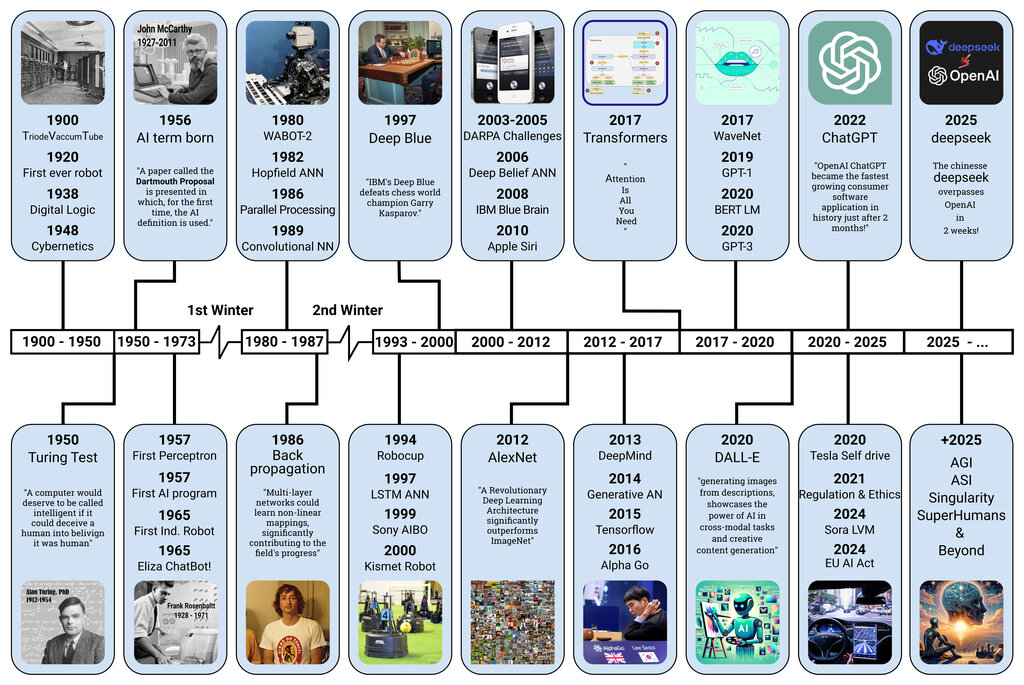
In the real world, the field of AI was formally born at the Dartmouth Workshop in 1956. Early pioneers were focused on the technical challenge: could a machine be made to think? The ethical questions were mostly theoretical. But as computing power grew and AI began to show real promise, the ethical discussions became more urgent.
The last couple of decades have seen an explosion in AI capabilities. Machine learning algorithms now influence everything from loan applications to criminal justice. This rapid progress has pushed AI ethics from academic conferences into public debate and corporate boardrooms.
Why Bother with Frameworks?
When building AI, it's easy to focus only on performance. Does the model make accurate predictions? Is the system efficient? But without a guiding framework, a technically perfect system can still produce harmful outcomes. An AI hiring tool might learn to discriminate against certain groups of people, or a self-driving car might have to make an impossible choice in an accident.
Ethical frameworks provide a structured way to think about these problems. They are sets of principles and guidelines designed to help developers, policymakers, and users navigate the complex moral landscape of AI. These frameworks aren't rigid sets of rules, but rather toolkits for making more responsible decisions.
AI ethics focuses on principles such as fairness, transparency, accountability, and privacy to guide responsible AI development and deployment.
Common principles found in many AI ethics frameworks include:
- Fairness and Non-Discrimination: Ensuring AI systems do not create or perpetuate unfair biases against individuals or groups.
- Transparency and Explainability: Making it clear how an AI system works and why it makes the decisions it does.
- Accountability: Defining who is responsible when an AI system makes a mistake or causes harm.
- Privacy and Security: Protecting user data and ensuring systems are secure from malicious use.
- Human Oversight: Keeping humans in the loop, with the ability to control and override AI systems, especially in high-stakes situations.
These frameworks help transform abstract ethical ideals into concrete actions, pushing us to build AI that is not just intelligent, but also wise.
What is the primary goal of AI ethics?
An AI system used for screening job applicants consistently favors candidates from a specific demographic. This situation primarily represents a failure in which ethical principle?
Understanding these foundational ideas is the first step in navigating the complex world of artificial intelligence responsibly.